
Scalable Capital Reviews
BaFin-licensed neobroker with 32 cryptocurrencies, stocks, ETFs, and savings plans starting from €1.

Scalable Capital Rating
Our Opinion
Scalable Capital has made a name for itself in the DACH region primarily as a robo-advisor and ETF broker and has also offered cryptocurrency trading for some time now. With a BaFin license as an investment firm and a headquarters in Germany, the provider is considered well positioned from a regulatory standpoint. The crypto offering currently includes 32 coins traded via crypto ETPs — an approach that is appreciated by security-conscious investors.
The savings plans starting from €1 enable an especially low-threshold entry, and staking via ETPs is seen as a meaningful addition. The device-bound two-factor authentication is considered a solid security solution. For investors who primarily invest in stocks and ETFs and want to hold crypto as an allocation in the same portfolio, Scalable Capital is seen as a practical solution.
However, the crypto selection with 32 coins is considered room for improvement compared with specialized providers. Wallet transfers to personal wallets are also not possible, which is occasionally criticized by users. Scalable Capital is therefore primarily suitable for mainstream investors who are looking for a regulated German broker with a broad securities offering and want to use crypto as a supplementary component.
Pros & Cons
- BaFin license as an investment firm headquartered in Germany
- Savings plans for crypto and ETFs possible from just €1
- Staking for crypto ETPs is offered
- Device-bound 2FA is considered a solid security solution
- Broad range of stocks and ETFs in addition to crypto
- Wallet transfers to personal wallets not possible — occasionally criticized by users
- Crypto selection with 32 coins is room for improvement compared with specialized providers
- Deposit methods limited to SEPA bank transfer and SEPA direct debit — additional options are room for improvement
User Experiences
AI Analysis292 analyzed reviewsOur AI collects and analyzes user reviews of Scalable Capital from the web and summarizes the key findings.
According to reviews, Scalable Capital presents a mixed user picture: some users appreciate the clear and intuitive app as well as everyday use that is perceived as reliable. At the same time, users report login and 2FA issues, as well as occasional delays with withdrawals and support.
According to reviews, users particularly appreciate Scalable Capital for its clear and partly intuitive app, which some also describe as easy to learn. At the same time, users also report a confusing interface and login problems. From the user perspective, usability is therefore perceived differently.
This analysis is based on 292 AI-evaluated user reviews from Google Play Store, Trustpilot. The total number of reviews on the respective platforms may be higher — the platform ratings shown (star ratings) refer to all reviews available there. The ratings shown reflect users' experiences and do not represent the site operator's own assessment. All information without guarantee. Ratings as of: September 2026; review summaries as of: March 2026. This comparison does not constitute investment advice.
Features
Feature Scope
Highlights
- Neobroker with stocks, ETFs, and crypto in one place
- BaFin-regulated with headquarters in Germany
- Crypto savings plans from €1 for regular investing
- Staking available via crypto ETPs
Tradeable Assets
- Cryptocurrencies (32 coins via ETPs)
- Stocks (domestic and international)
- ETFs and ETF savings plans
Trading Options
- Direct buying and selling via app and web
- Savings plans for crypto, stocks, and ETFs
About Scalable Capital
Compare Scalable Capital









Show 18 more comparisons
- Scalable Capital vs Kraken Pro
- Scalable Capital vs Traders Place
- Scalable Capital vs BSDEX
- Scalable Capital vs Binance Pro
- Scalable Capital vs Relai
- Scalable Capital vs BISON
- Scalable Capital vs Bitvavo
- Scalable Capital vs finanzen.net ZERO
- Scalable Capital vs Bitget
- Scalable Capital vs Kraken
- Scalable Capital vs Revolut
- Scalable Capital vs OKX
- Scalable Capital vs Smartbroker+
- Scalable Capital vs ByBit EU
- Scalable Capital vs KuCoin
- Scalable Capital vs Gate.io
- Scalable Capital vs XTB
- Scalable Capital vs Coinbase
Reviews of other crypto exchanges





Show 12 more reviews
Recent articles about Scalable Capital

October 24, 2026 1:13 PM
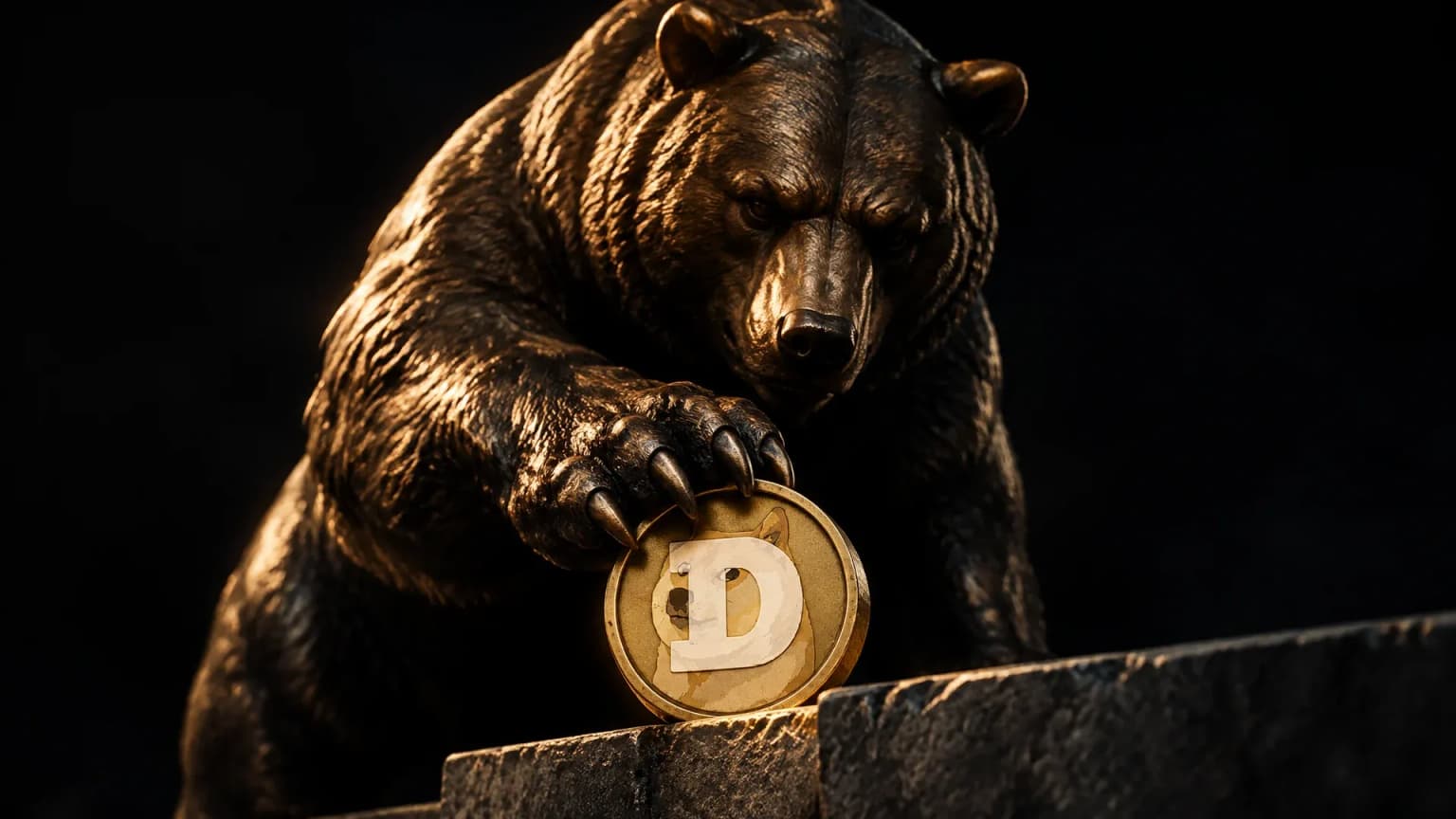
Dogecoin at a 65-day low: will the $0.0750 level hold?
Analysis: Dogecoin trades at $0.077447 on Saturday midday, its lowest level since August 20. For purchases made in October 2025, the one-year holding period is expiring these days, and with it the option to claim a loss for tax at all.

October 23, 2026 10:13 PM
Shiba Inu: $3.0 billion market cap against $46,453 on Shibarium
The Shiba Inu project's own blockchain holds $46,453 on October 23, while the token itself is valued at $2.998 billion. What the figures mean for holders in Germany, and what happens for tax when SHIB is swapped for BONE.
October 23, 2026 10:41 AM

Altcoin season explained, 17 of 50 coins beat Bitcoin: what to watch now
An altcoin season is a ratio, not a mood: only when 75 percent of the large coins beat Bitcoin over 90 days does it count as confirmed. We measured the three metrics behind it ourselves and show where they mislead.
October 22, 2026 10:13 AM
Monero climbs to $644, leaving it about 24 percent short of January's record
Analysis: Monero gained around ten percent in a day while Bitcoin, Ethereum and Zcash stood still. The distance to January's all-time high shows where XMR really stands better than the daily percentages, and trading access in Europe is the more important question.
October 21, 2026 1:21 PM

16.43 million dollars in, 13.38 million left: what is behind the Dogecoin fund gap
US Dogecoin spot funds have taken in $16.43 million since launch, and their net assets stood at $13.38 million on October 20. Where the $3.05 million gap comes from, and why German portfolios hold a different product anyway.
October 20, 2026 1:33 PM

60.6 percent down in twelve months and only 12th by market value: what to check before your purchase anniversary
Dogecoin has lost 60.6 percent over twelve months, more than twice as much as Bitcoin, and now ranks only 12th by market value. For investors in Germany the calendar matters more than the next price level: the anniversary of the purchase decides whether a gain stays tax free and whether a loss still counts at all.
October 20, 2026 10:18 AM
Coinbase converts USDT and DAI into USDC on October 30: the swap restarts the one-year holding period
On October 30 Coinbase will convert the remaining USDT, DAI and PYUSD balances in the European Economic Area into USDC. The swap counts as a disposal under section 23 of the German Income Tax Act, and the one-year clock starts again for the new balance.

October 19, 2026 7:22 AM

Bitcoin price at $82,769 after two days on a third of the turnover: the level that decides
Bitcoin opens the week at $82,769, 1.6 percent above Friday's close. The gain was built over two days running on a good third of the usual turnover, and that is exactly why the level at $81,501 now decides.
Similar articles on this topic
October 24, 2026 1:13 PM
Dogecoin at a 65-day low: will the $0.0750 level hold?
Analysis: Dogecoin trades at $0.077447 on Saturday midday, its lowest level since August 20. For purchases made in October 2025, the one-year holding period is expiring these days, and with it the option to claim a loss for tax at all.
October 24, 2026 10:16 AM

Solana price prediction: $30.3 million out of the SOL ETFs in five trading days: what to watch now
Analysis: in the five trading days to October 22, the US funds on Solana gave up a net $30.3 million, more than in the week that had counted as a record. The price stands at $101.83 on Saturday morning, 1.5 percent above the monthly low.
October 24, 2026 7:15 AM
635 million dollars flowed out of the Bitcoin ETFs in a day: the level that decides
US spot bitcoin ETFs released a net $635 million on October 22, the largest daily outflow since June 25. Bitcoin trades below the funds' estimated cost basis of $81,500 to $82,000, and for a German portfolio a deadline is running at the same time.
October 24, 2026 4:12 AM

Coinbase Ireland accepts a 3.25 million euro fine and admits the breaches: “We have no tolerance for weaknesses in safeguarding arrangements”
The Central Bank of Ireland has fined Coinbase Ireland Limited 3,252,618 euros because the e-money institution failed to safeguard client funds adequately and did not control the outsourcing to its US parent. European customers are tied to that very entity through the EU passport — and their euro balance is not a bank deposit.
October 23, 2026 10:13 PM
Shiba Inu: $3.0 billion market cap against $46,453 on Shibarium
The Shiba Inu project's own blockchain holds $46,453 on October 23, while the token itself is valued at $2.998 billion. What the figures mean for holders in Germany, and what happens for tax when SHIB is swapped for BONE.

October 23, 2026 4:57 PM

South Korea Makes Stablecoins an Official Means of Payment: What the New Rule Really Says
South Korea is rewriting its forex law to classify stablecoins as a means of payment. Crypto Twitter calls it adoption. The fine print says surveillance.
October 23, 2026 4:38 PM

CoinShares compulsorily redeems seven crypto ETPs: the delivery deadline ends on October 26
CoinShares XBT Provider is ending its Swedish ETP programme and compulsorily redeeming seven altcoin and staking instruments as of November 9. Anyone who wants the coins themselves instead of cash has to register by October 26; the four Bitcoin and Ether trackers are expressly not affected by the notice.
October 23, 2026 1:35 PM
What is Tether (USDT)? The stablecoin explained: 182 billion tokens without EU authorisation
With 182.8 billion tokens in circulation, Tether is the largest stablecoin in the world and settles two out of every three crypto dollars traded. In the EU it lacks authorisation as an e-money token, and from January 8, 2027 authorised providers may no longer offer services around it.