
Ledger implant reaches Berlin: devices bought from resellers since January should be taken out of use
Ledger has confirmed tampered hardware wallets that can be traced to Berlin; an added component reads the recovery phrase. Anyone who bought a device there from a third-party seller since January 2026 should stop using it and move their coins to a new phrase.

Which topics should we dive deeper into?
Select what genuinely interests you. Your picks feed directly into our editorial planning.
Crypto news that's actually worth your time.
Weekly. 60 seconds. Carefully curated by our editors: no hype, no promo flood, no spam.
Key points
- On November 18, 2026, Ledger confirmed tampered hardware wallets fitted with a seed implant that can be traced to Berlin.
- Anyone who has bought a Ledger device in Berlin from a third-party seller since January 2026 is asked to contact Ledger support.
- According to Bitquery, around $1.68 million left 16 wallets in Dubai and Berlin; Ledger itself has not confirmed any loss figure.
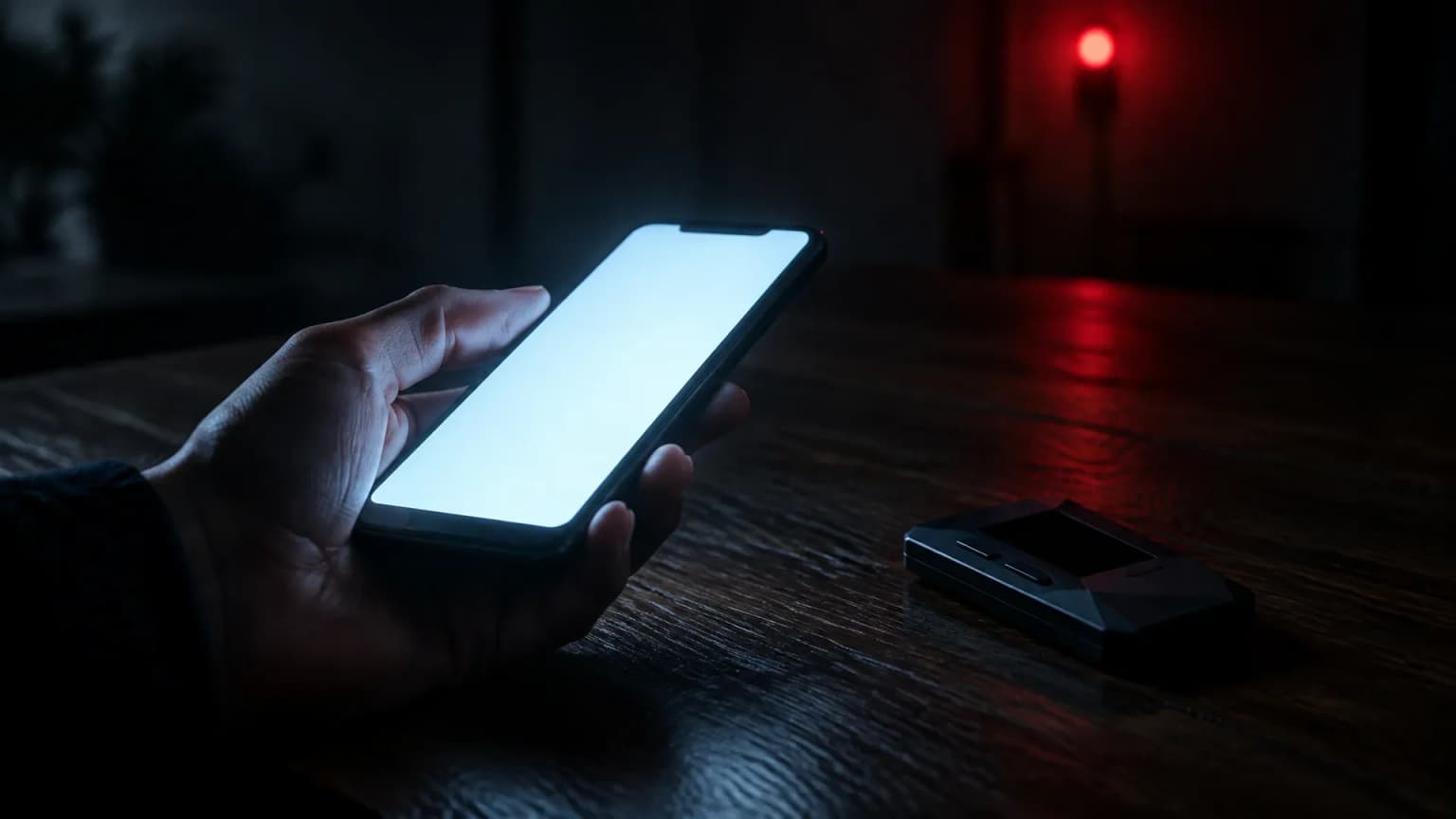
The Ledger device implant has reached Germany. In an update to its ongoing investigation, the French manufacturer reports that a number of tampered devices have turned up in Berlin. Anyone who has bought a Ledger device there since January 2026 from a retailer or reseller, rather than directly from the manufacturer, may be affected. For them the advice is clear: stop using the device, do not set up a new wallet on it and contact support. According to the company, there is no confirmed case so far involving a device ordered directly from ledger.com.
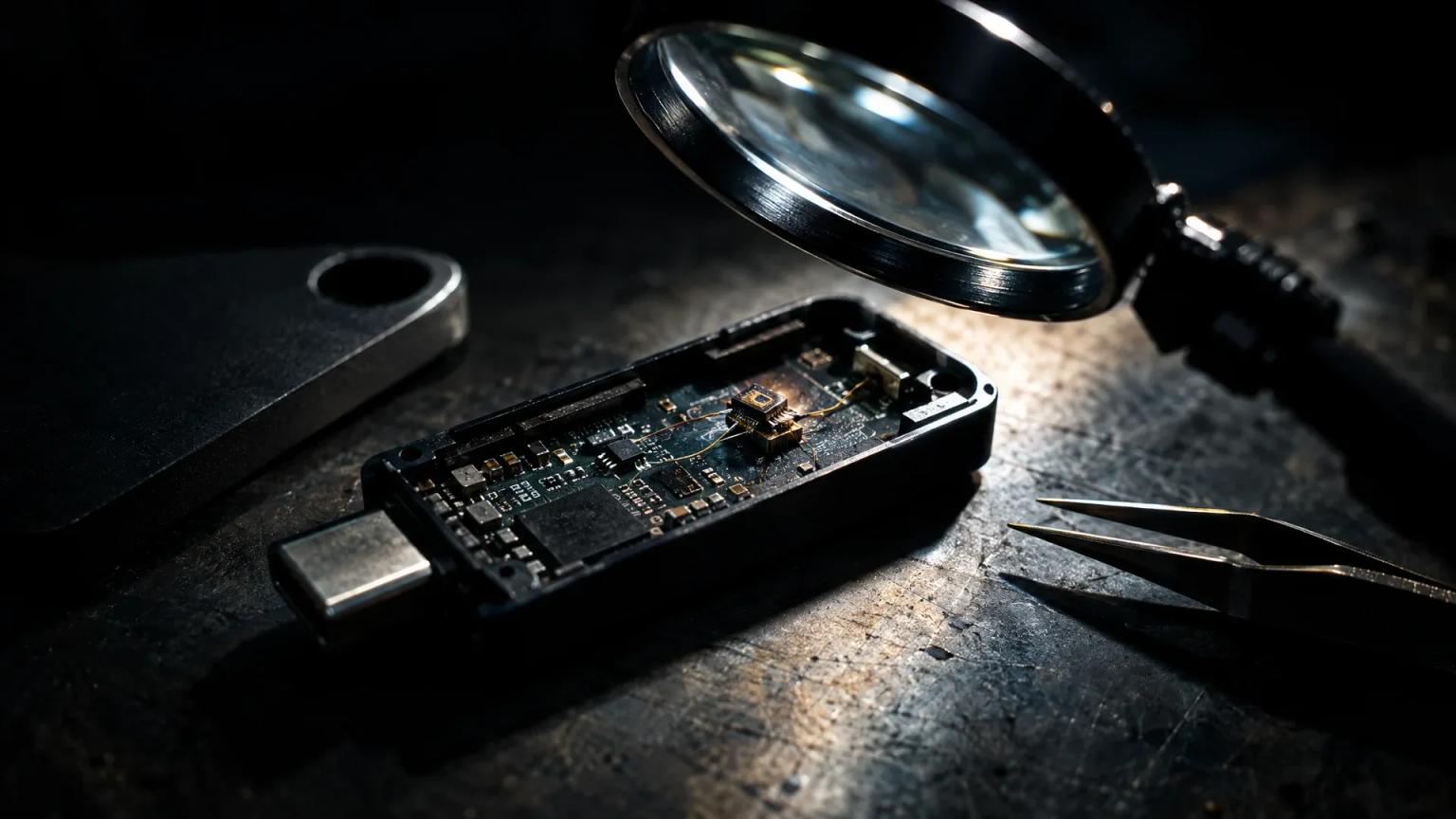
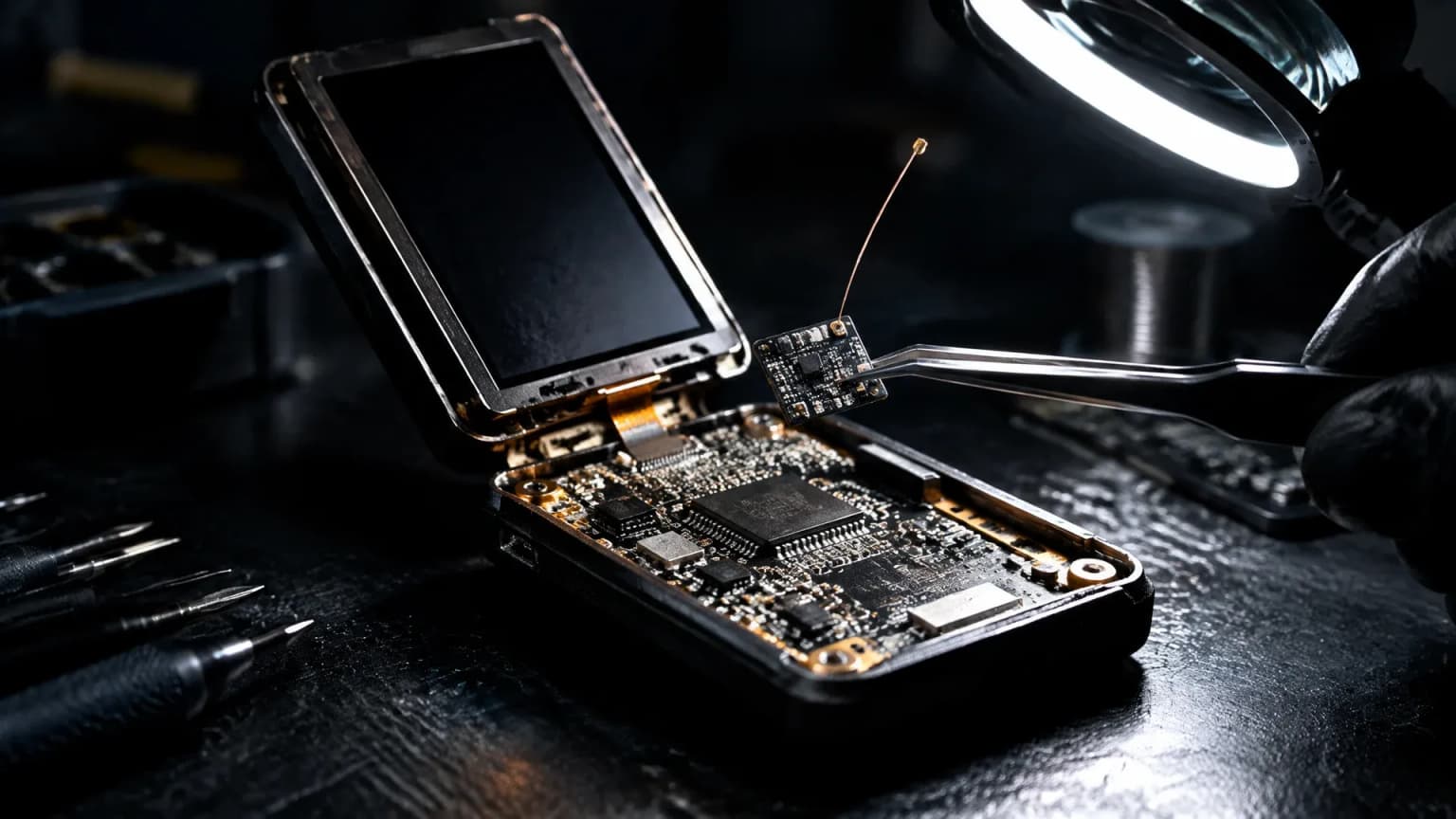
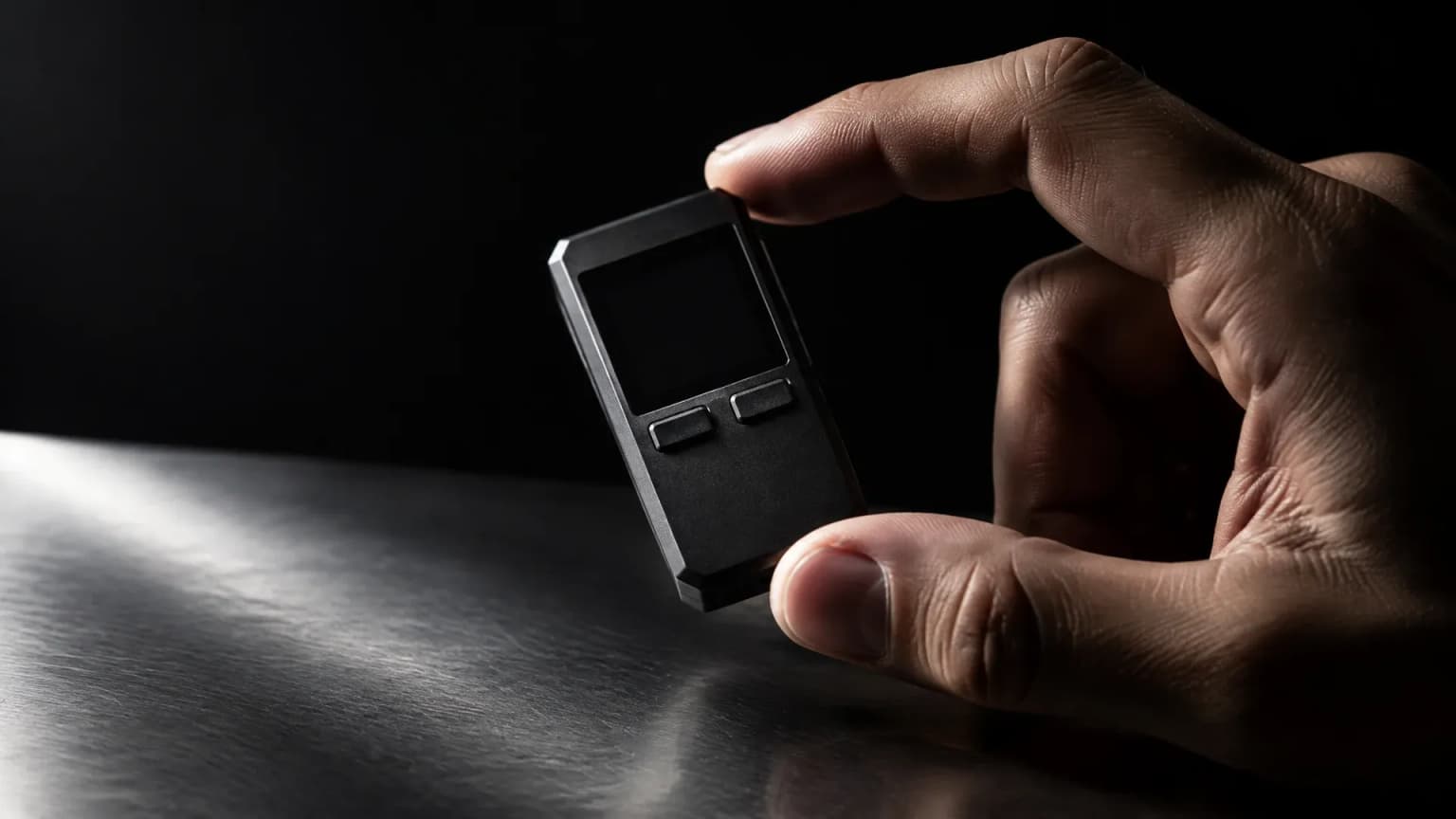
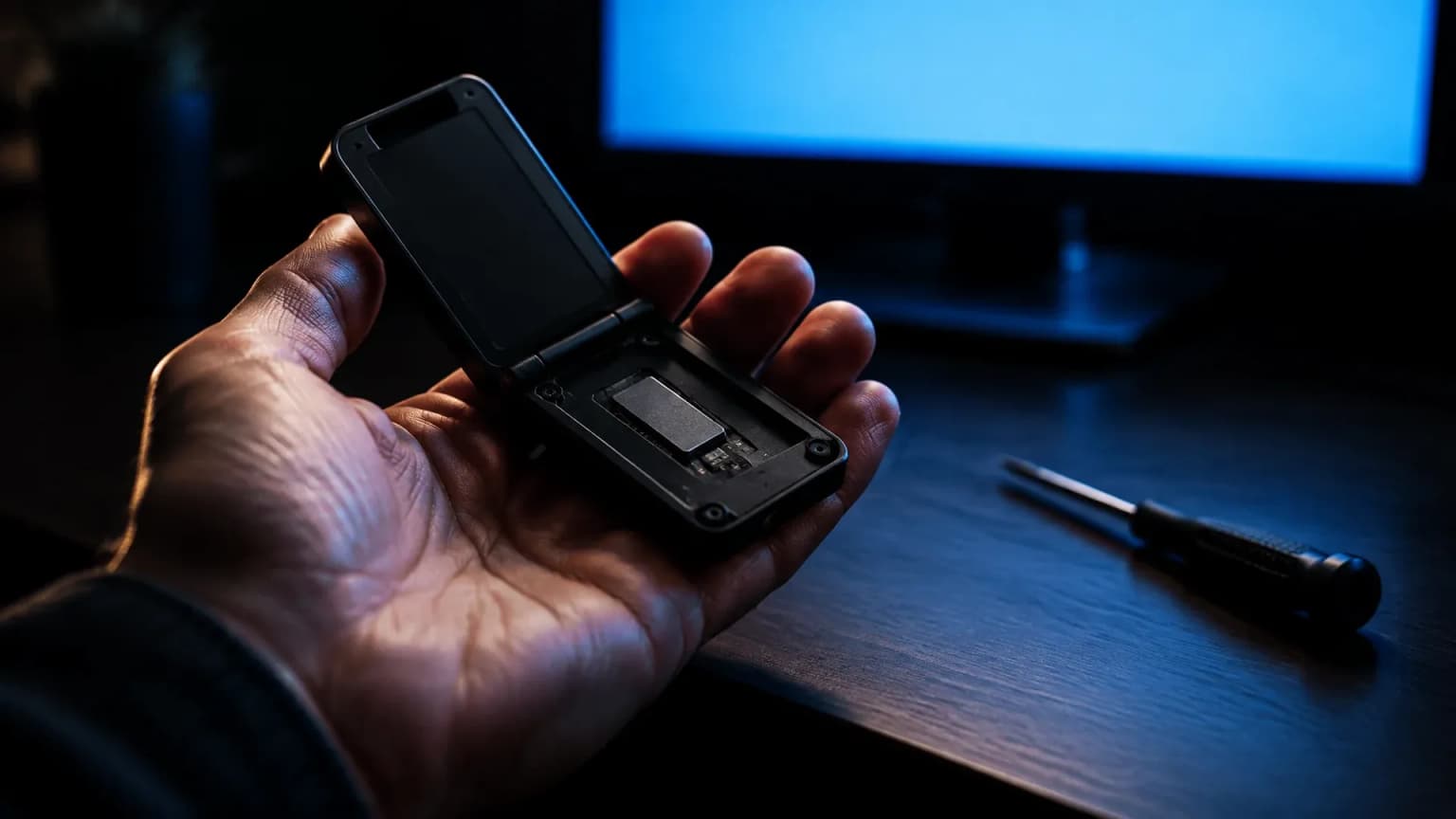
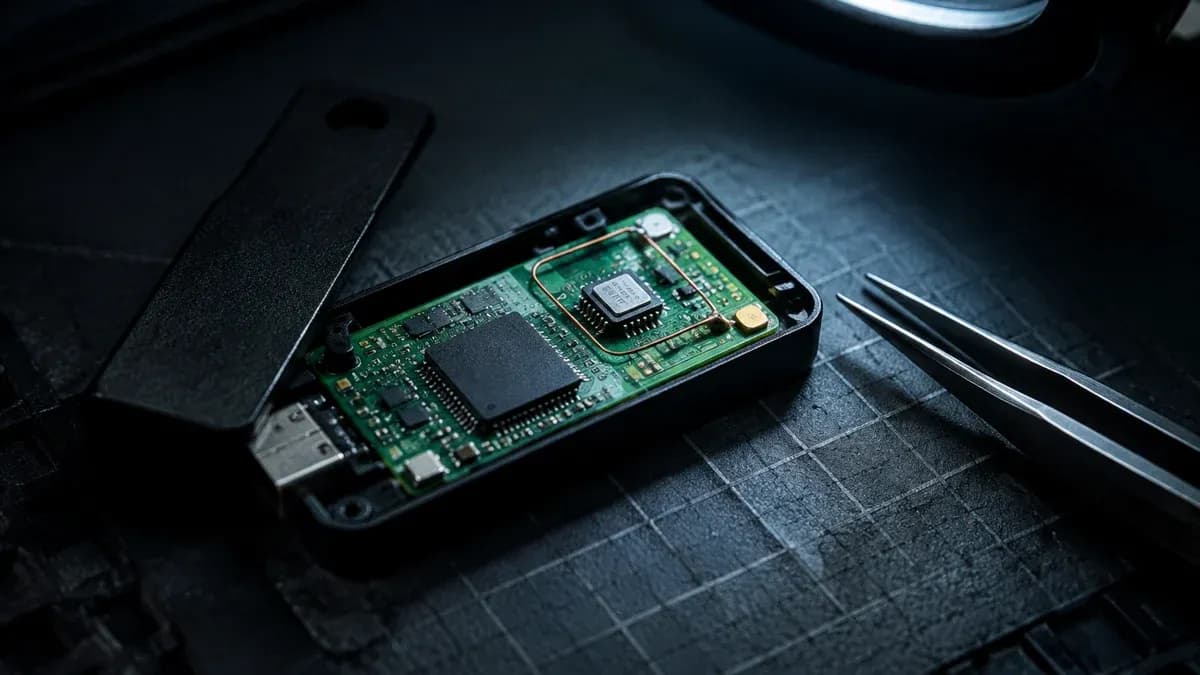
A hardware implant is an extra component fitted into a device after manufacture. It captures data without the device's own software noticing. In Ledger's case it targets the recovery phrase, the 24 words from which any wallet can be fully restored. Whoever knows those words can move the coins from any other device.
Ledger implant in Berlin: what the company confirmed on November 18
Ledger published its new findings on Wednesday, November 18, 2026, as an update to its investigation into the hardware implant (Ledger support, investigation update). According to consistent accounts by The Block and BTC-ECHO, the devices examined carry the same physical modification as the cases from Southeast Asia. The implant is designed to read the recovery phrase while the device is being set up; BTC-ECHO also mentions the optional passphrase.
Ledger states that there is no vulnerability in its secure element or operating system, and no confirmed case involving a device bought through ledger.com.
Ledger, update on the hardware implant investigation, November 18, 2026, as reported by The Block
Besides Berlin, Ledger is examining reports of two tampered devices in Dubai and investigating how they entered circulation. The company expects that more devices may be found, but overall speaks of a small number. None of the reports says which models are affected in Berlin. From Southeast Asia, one case involving the newer Ledger Nano Gen5 is known. Ledger has not named a Berlin retailer.
For buyers in Germany this is a new situation. In October, Ledger had said that its own teams bought and opened devices from shops in several markets, Germany among them, and found only clean units. MediaMarkt and Saturn had halted sales of Ledger devices as a precaution on October 13 after a customer in Germany raised the alarm; the details are in our earlier report on the sales halt at MediaMarkt and Saturn.
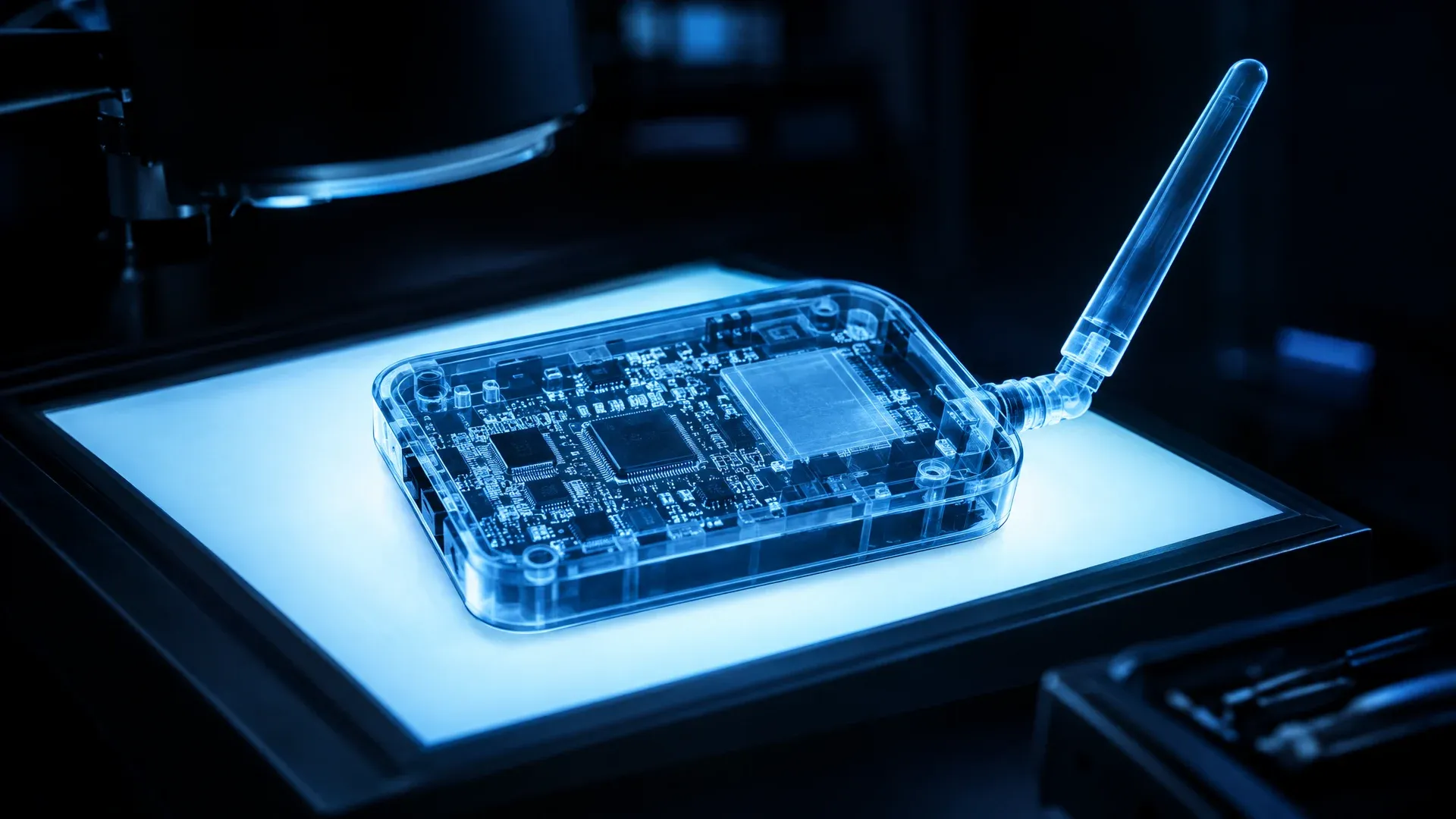
How the seed implant captures the recovery phrase
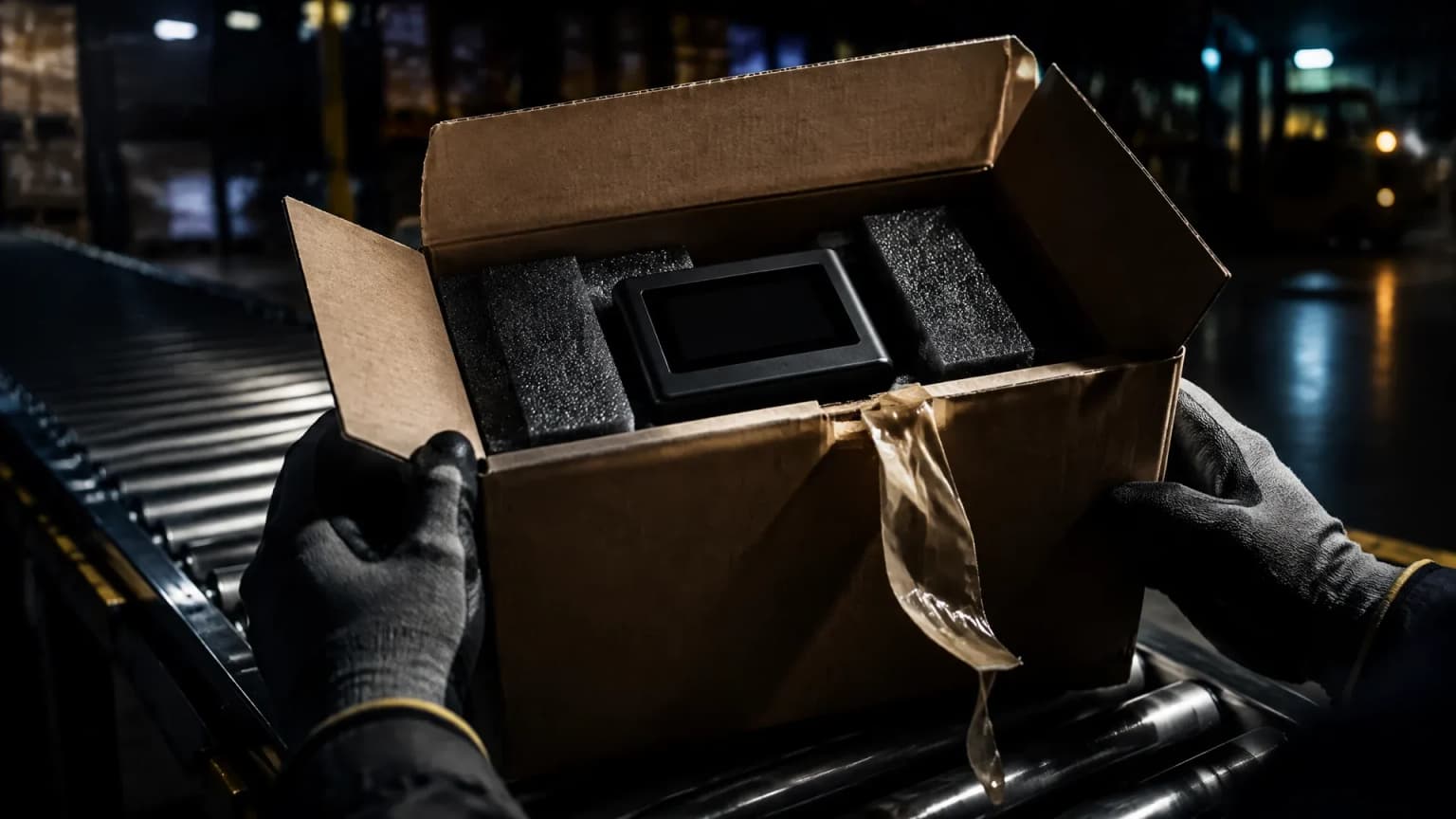
The attack does not target the chip but the supply chain. According to Ledger's account of October 15, a criminal group spent months buying genuine devices, opening them, fitting additional components and returning them to the market through resellers. The buyer therefore receives a genuine Ledger with genuine firmware, in which a second component is listening in.
The critical moment is setup. The device generates the 24 words and displays them so they can be written down. That is when the implant captures the phrase and passes it on. According to Ledger, the group built its own servers for the harvested phrases and later drained the wallets in a coordinated operation. The authenticity check in Ledger's software does not raise an alarm, because the secure element itself remains unchanged.
That also explains why the problem cannot be fixed with a firmware update. A recovery phrase that has already leaked stays compromised, whatever software runs afterwards. The only protection is a new phrase on a device whose origin is established.
Southeast Asia, Dubai, Berlin: how the supply-chain attack spread
The case began in October in Southeast Asia. Users there reported unexplained outflows from their wallets; those affected were customers of the authorised reseller CryptoBilis. Ledger then asked its retailers and distributors in Southeast Asia and Hong Kong to suspend sales. Our analysis from October is in the article Ledger confirms implant in hardware wallet.
So far, the only loss figures come from third parties. According to The Block, the blockchain data provider Bitquery put the outflows from the Southeast Asian campaign at around $102 million from 335 wallets. For the new cases in Dubai and Berlin, Bitquery cites around $1.68 million from 16 wallets. Two users on X say they bought from an authorised retailer in Dubai and together lost around $604,000, roughly 1,300 SOL and 507,000 USDT. The Block points out that these claims have not been independently verified. Ledger has not confirmed any loss figure.
Ledger had already tightened its rules for retailers in October. Returned devices may not be resold in any form, even if they appear new and unopened. Ledger products are no longer meant to sit openly on the shelf but are to be handed out from the stockroom at the till. Retailers must report complaints about suspicious devices immediately. The reports do not say whether these rules were already in force in Berlin when the tampered devices were sold.
Anyone who would rather not keep part of their coins in their own wallet until a new device arrives should choose an exchange with a MiCA licence; our comparison of regulated crypto exchanges shows which providers are regulated. This is a stopgap and no substitute for self-custody.
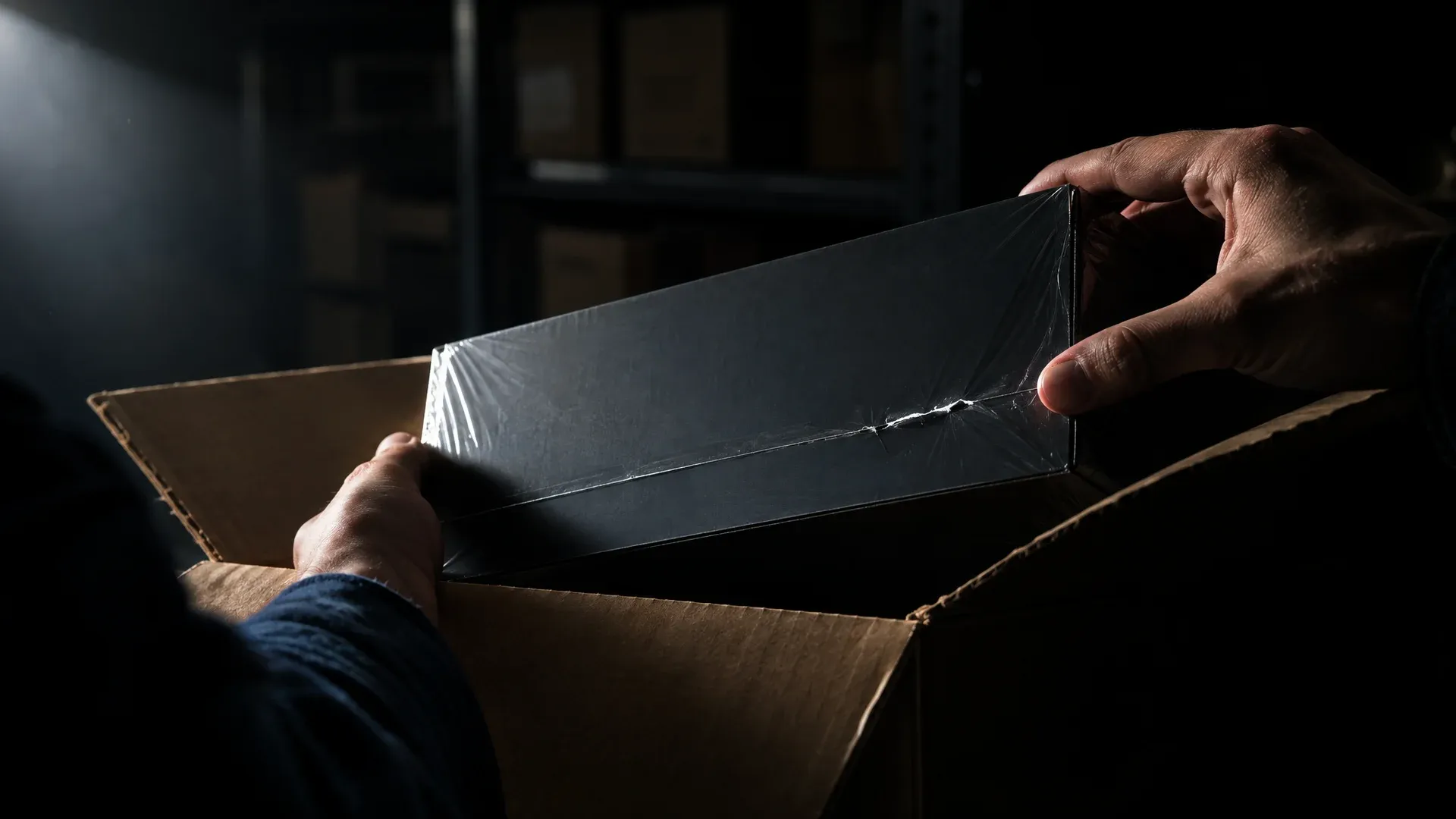
X-ray inspection in Vierzon: what Ledger offers affected buyers
For buyers who are unsure, Ledger offers a time-limited inspection, according to BTC-ECHO and Decrypt. After a report to the local authorities, devices can be examined at the Ledger factory in Vierzon, France, including by X-ray analysis. The process runs through support; none of the reports gives a deadline. Anyone with a suspicious device should therefore not open it themselves, because a case that has been unscrewed makes the later examination harder.
What rights buyers have against the retailer if a device was tampered with is set out in our guide Tampered hardware wallet bought in a shop.
How to protect yourself from tampered hardware wallets sold through resellers
What happened: On November 18, 2026, Ledger confirmed a number of tampered devices that can be traced to Berlin. A component fitted after manufacture reads the recovery phrase during setup. According to Bitquery, around $1.68 million left 16 wallets in Dubai and Berlin (as of November 18, 2026, not confirmed by Ledger).
Are you affected? Any Ledger device you have bought in Berlin from a third-party seller since January 2026, in other words not directly on ledger.com, should be treated as suspect. On current information, devices from the Ledger store are not affected. Ledger has not published which retailers and models are affected in Berlin; a tampered device cannot be recognised from the outside.
- Take the device out of use: Do not set up a new wallet on a Ledger bought in Berlin from a third party since January, and do not open the case.
- Contact support: Report the purchase via the support page on ledger.com, with the date of purchase, the retailer and the receipt.
- Move your coins: Generate a new recovery phrase on a device bought directly from the manufacturer and transfer all holdings to it before someone else does.
- Abandon the old phrase: Never use the old 24 words again, not as a secondary wallet and not with a new passphrase either.
- Fend off phishing: Never hand the recovery phrase to support, a retailer or an inspection service; Ledger says it never asks for it.
The basics of safe storage are explained in our guide How to store crypto safely; suitable devices are compared in the hardware wallet comparison.
Ledger implant: Berlin purchases since January now need checking
The investigation is not over. Ledger itself expects further finds, and it is still unclear through which retailer the Berlin devices entered circulation. For investors in Germany, however, the situation has changed in a concrete way: the risk is no longer just a Southeast Asian story but concerns purchases in a major German city.
- Check the receipt: if your device comes from Berlin, from a third-party seller, and was bought since January 2026, treat it as suspect and plan the move to a new device; models and prices are compared in the hardware wallet comparison.
- Secure the transition: until the new device arrives, part of your holdings can sit with a provider holding a MiCA licence; the options are listed in the comparison of regulated crypto exchanges.
- Buy direct in future: order hardware wallets from the manufacturer or a retailer listed there, and always generate the recovery phrase yourself; the devices that qualify are also listed in the hardware wallet comparison.
(As of November 20, 2026. This article is not investment advice. Prices and fee structures change; check the terms with the provider before you buy.)
Frequently asked questions about the Ledger implant in Berlin
Partner links: some links on this page are partner links. If you become a customer through one of them, we may earn a commission at no extra cost to you. Selection, ratings and ranking are decided independently by our editorial team. Ethics and Independence · Ownership and Funding
Researched and compiled with AI. Before an article goes live, automated systems check the source links and hold back quotes and attributions without a verified source. Responsible editor: Dennis Weidner. The feature image was generated with AI. How we use AI
For later? Save this article and find it again in your profile.
Related articles
- MoldyRoost: malicious ads hunt iPhone crypto wallets on iOS 13 to 18.7
- Zengo Wallet explained: two key shares replace the seed phrase
- FaceStealer: FBI warns of fake Zoom calls that drain crypto wallets
- Suiet Wallet is shutting down: you have until November 14 to move your SUI
- iOS vulnerability worse_query: are crypto wallets on the iPhone at risk?
Which topics should we dive deeper into?
Select what genuinely interests you. Your picks feed directly into our editorial planning.
Crypto news that's actually worth your time.
Weekly. 60 seconds. Carefully curated by our editors: no hype, no promo flood, no spam.

November 8, 2026 7:33 AM
Phantom wallet setup: twelve words decide the fate of your Solana coins
The Phantom wallet takes a few minutes to set up, but it only becomes secure with a properly stored recovery phrase. This guide runs from download and first deposit through swaps with a 0.85 percent fee to Ledger, staking and tax.
November 7, 2026 11:12 PM
Keplr Wallet halts Google and Apple login after Web3Auth flaw drains accounts
Keplr has suspended login via Google and Apple after users reported unauthorised transactions; according to Web3Auth, the cause lies in its own infrastructure. Accounts with their own seed phrase or a hardware wallet are not affected, based on a preliminary review.
November 6, 2026 3:28 AM
Trust Wallet Phishing: Fake .cam Site Also Targets Phantom and OKX Wallet
The fake site trastwallet[.]cam imitates Trust Wallet and, once a wallet is connected, prepares transfers to fixed addresses. How to recognise the fake and what helps after an accidental signature.
November 4, 2026 1:22 AM
Restoring a Crypto Wallet: Your Seed Phrase Gets the Coins Back
Phone gone or hardware wallet broken? Twelve or 24 words get you back to your coins. Here is how the recovery works, and where it most often fails.
November 3, 2026 1:45 AM
Foundation Passport: 23,000 phishing emails came from the wallet maker's own systems
Hardware wallet maker Foundation has admitted that attackers got into its backend infrastructure through a self-hosted application and sent more than 23,000 phishing emails from the company's genuine systems. According to the company, the Passport devices and private keys are untouched, but around 5,600 postal addresses are not.
November 2, 2026 9:43 PM
How to store crypto safely: protect yourself from hacks like the one at Binance
After the $6.3 billion hack at Binance: how to store your cryptocurrencies safely. Hardware wallets compared, wallet scanners such as MetaMask Security Alerts, the key settings on your exchange account and a seven-step checklist.
November 2, 2026 9:29 PM
Polymarket attack via a third-party provider: what users should watch now
A compromised third-party provider enabled unauthorized withdrawals of around $2.65 million at Polymarket, and trading was temporarily switched to cancel-only. The company has promised full reimbursement, but the weak point lies in the access layers around the platform.
November 2, 2026 9:25 AM
Trezor Safe 5 implant reported at CryptoBilis: who needs a new wallet now
Trezor is warning everyone who has ordered from former reseller CryptoBilis since March 2026: an extra board with a cellular module in a Safe 5 is said to read the recovery phrase. Who is affected, why weighing the device does not help, and how to move to a new wallet.
November 2, 2026 12:27 AM

Tampered hardware wallet bought in a store: your rights as a buyer under German law
On October 28, Singapore police found malicious hardware components in hardware wallets sold in stores, with losses of around 3.5 million Singapore dollars. What German sales law gives you against the retailer, and why it does not replace the lost coins.
October 30, 2026 3:44 PM
$6.5 billion in October: the infrastructure failed, not the smart contract
An in-house count of DefiLlama's hack register for October 2026 finds 32 incidents with $6.5 billion in losses. 99.5 percent of that flowed out through compromised infrastructure, while smart contract flaws cost less than $16 million.
October 29, 2026 3:40 PM
$13.84 million in 48 hours: Arkham says the drainer is “still moving funds”
Arkham Intelligence puts the haul of the CryptoBilis Ledger drainer at 95.35 million dollars across 1,486 addresses and reports 13.84 million dollars moved within 48 hours. Ten million USDT sit frozen, and Ledger traces every confirmed case back to one retail route.
October 26, 2026 12:15 AM
Coldcard class action over $140 million: what it means for owners
A proposed class action against Coldcard maker Coinkite is before a court in Ontario: a firmware flaw allegedly made recovery phrases predictable, and the claim puts the Bitcoin drained as a result at more than $140 million. What owners of an affected device should check and document now.
October 23, 2026 10:21 PM
Ngrave phishing: $2.56 million left 70 wallets after a hijacked push provider
Attackers hijacked the push provider of Belgian hardware wallet maker Ngrave and sent fake security alerts to users of the LIQUID app on October 17. Anyone who entered their recovery words lost their balance: between $2.56 million and $2.65 million flowed out, while the devices themselves remained untouched according to the company.
October 18, 2026 4:18 AM
Trezor cuts its authorized dealers: the authorizations end on January 1, 2027
After the supply chain attack on Ledger devices, Trezor is shrinking its dealer network and ending the authorizations on January 1, 2027. Until then, dropped partners may sell down their remaining stock, so the whole Christmas season still falls under the old list.
October 16, 2026 4:50 PM
Ledger sells the Atom at $849 through its own shop only: “For years, our customers have been asking us for a Ledger phone”
Ledger presented the Android device Atom on October 15 and sells it exclusively through its own shop. After tampered devices were found in the intermediate trade, the distribution route itself becomes a security question.
October 16, 2026 4:41 PM
Fake Ledger firmware updates: SlowMist reports phishing pages with a replica Genuine Check
A phishing campaign reproduces the sequence of an official Ledger update and asks, at the end, for the 24 recovery words. SlowMist reported it on October 16; Ledger had set out its reading of the underlying implant case a day earlier.
October 14, 2026 1:36 AM
MediaMarkt and Saturn halt Ledger sales after a customer reports an implant
Since October 13 MediaMarkt and Saturn have sold no Ledger devices, neither in store nor online. The trigger is a customer's report of an implant. What Ledger confirms, why the authenticity check does not help, and which steps make sense for devices bought in a store.
October 13, 2026 1:16 AM
Ledger Confirms Implant in a Hardware Wallet as Reports Reach Europe: What Is Behind It
Ledger confirms an unauthorised additional circuit board in a tampered device and traces the confirmed cases to a reseller in South-East Asia. One report from European retail is still open, which makes the purchase route of your own device the criterion.
October 12, 2026 10:41 AM
14.7 million swapped into USDD, 20 addresses frozen: what to check with your stablecoin
After the thefts among Ledger buyers, Tether has frozen more than 20 addresses and locked up around $10 million. Because part of the loot was swapped into USDD, the case shows exactly how far a stablecoin's freeze function reaches.
October 10, 2026 10:35 PM
Fake Ledger Site Tops Google Search: “Once the recovery phrase has been handed over, the wallet must be regarded as compromised”
A security researcher reports a rebuilt Ledger site high up in Google's results that asks for the 24-word phrase. Running alongside it are emails with an invented deadline of October 15.
October 9, 2026 5:36 PM
Ledger Hack? $86 Million Drained: What Is Behind the Tampered Wallets From Southeast Asia
Since Friday, Ledger users in Southeast Asia have been reporting empty wallets, and analysts count more than $86 million. Ledger has halted the reseller CryptoBilis. An implant inside the device reportedly reads the seed phrase. What is known, what CZ advises and what you should do now.
October 2, 2026 10:36 AM
Hot Wallet or Cold Wallet: the Private Key Decides How Safe Your Coins Are
Hot wallet or cold wallet: the difference rests solely on whether the private key is online. What separates the two forms, where the limits of hardware lie and why moving to your own device triggers no tax.
September 30, 2026 7:16 AM
Tangem Wallet: The Card Without a Seed Phrase vs the Classic Hardware Wallet
The Tangem Wallet secures crypto with two or three identical cards instead of 24 words. What the sets cost, which security findings exist and why we no longer recommend Tangem.
September 23, 2026 4:12 AM
How to Set Up a Crypto Wallet: Securing Your Coins in Seven Steps
Your own crypto wallet is set up in twenty minutes, yet a single step decides everything that follows. This guide takes you through wallet type, recovery words and the test amount, and sets out what BaFin and the tax office expect.
September 20, 2026 4:15 PM
Crypto Phishing After a Data Breach: The Warning Signs in a Fake Exchange Email
After every major data breach, the number of phishing emails sent in the name of crypto exchanges and wallet manufacturers rises. This article shows you how to recognise such a message, which data a reputable provider never requests by email, and what to do in the first hour after a click.
August 22, 2026 4:13 AM
SafePal Data Breach: 39,798 Customers Exposed With Names, Addresses and Phone Numbers
SafePal confirmed a data breach on August 16, 2026: the names, delivery addresses, phone numbers and order details of 39,798 customers were exposed. Seed phrases and private keys were not affected, but the phishing risk is substantial.
August 11, 2026 1:32 PM
How to Store a Seed Phrase Safely: What Steel, a Passphrase and Multisig Do for Your Wallet Backup
The Coldcard case pushed the manufacturer question to the front, while barely touching on where the backup is kept. This guide places paper, steel, the passphrase and splitting methods against the BIP-39 and SLIP-0039 standards.
More from CryptoTicker