
Binance Hack: Around $2.8 Billion Drained From a Hot Wallet
On Thursday evening, roughly $2.8 billion left the Binance wallet “Binance 14” within minutes. The attacker had tied the wallet to their own contract via EIP-7702. Tether and Circle have frozen about $2.4 billion, and Binance says it is investigating.





Which topics should we dive deeper into?
Select what genuinely interests you. Your picks feed directly into our editorial planning.
Crypto news that's actually worth your time.
Weekly. 60 seconds. Carefully curated by our editors: no hype, no promo flood, no spam.
Binance Hack: What Happened on Thursday Evening
On Thursday evening, 29 October 2026, an unknown attacker emptied one of Binance's largest hot wallets in a single transaction at 20:24 UTC. The wallet “Binance 14” sent 167,464 ETH and 63 different tokens to a freshly created address, including 1.615 billion USDT. Together with two further outflows, the attacker's addresses now hold around $2.8 billion according to Etherscan data. That would be the largest theft in the history of cryptocurrencies, almost twice as much as in the Bybit hack of February 2025.
At 21:24 UTC, Binance said it was urgently investigating reports of a potential security issue. Co-founder Yi He added that user funds are safe. Founder Changpeng Zhao, better known as CZ, had already written on X at 21:15 UTC that it does look like a hack. According to their chief executives, Tether and Circle have frozen around $2.4 billion in stablecoins between them. BNB, the exchange's own token, fell 6.1 percent in the evening.
The case was first flagged by on-chain analyst Spreek. At 20:32 UTC, Spreek pointed out that the transaction came from an address whose starting funds had arrived through the mixer Tornado Cash. Exchanges never pay their transaction fees that way, which made it the first clear warning sign.
Unconfirmed, but possibly massive binance hack. Entire Binance wallet drained into new EOA. Contract call was funded by Tornado Cash
Spreek (@spreekaway) October 29, 2026
All times in this article are UTC. We will update the article as soon as Binance shares further details.
Updated on 29 October 2026 at 23:22 UTC: added the status of withdrawals at Binance. Corrected: at 20:39 UTC the attacker moved 195,460 ETH, not 195,470 ETH.
How Much Money Left Binance in the Hack
The main transaction at 20:24 UTC can be traced in full on Etherscan. It moved 167,464 ETH and 63 tokens from Binance 14 to the address 0x5227…2f8c, which Etherscan now labels “Binance Hot Wallet Exploiter 2”. Two minutes later, 28,005.6 ETH from the wallet Binance 16 followed. At 20:41 UTC came a second strike through the same route: 780 million USDC.
| Token | Amount | Value in USD |
|---|---|---|
| Tether (USDT) | 1,615,409,499 | $1.615B |
| USD Coin (USDC) | 780,177,060 | $780M |
| Ether (ETH) | 195,470 | $442M |
| Wrapped Beacon ETH (wBETH) | 29,934 | $74.6M |
| Ripple USD (RLUSD) | 62,597,240 | $62.6M |
| Tether Gold (XAUt) | 11,372 | $45.6M |
| Uniswap (UNI) | 6,189,796 | $41.2M |
| Ethena (ENA) | 198,369,717 | $37.0M |
| Pepe (PEPE) | 7.18 trillion | $35.3M |
| World Liberty USD (USD1) | 27,760,802 | $27.7M |
| Chainlink (LINK) | 2,263,172 | $25.0M |
| Aave (AAVE) | 127,853 | $16.2M |
The largest items of the stolen funds, values according to Etherscan at 21:15 UTC.
At 20:39 UTC, the attacker moved almost all of the Ether, 195,460 ETH, on to another address in a single transaction. Nobody can freeze Ether, which makes this part the safest for the attacker.
Whale Alert reported large outflows from Binance wallets to new addresses on other blockchains in the same time window, including 612.7 million USDT on Tron and a combined 16,687 bitcoin in four transfers. Whether these belong to the attack or are Binance moving funds to safety is unclear. Walter Bloomberg reported outflows of $2.77 billion across five blockchains, while The Block cites Arkham data showing around $3.55 billion.
For context: DefiLlama counts around $144 billion in assets in Binance's publicly known wallets. The $2.8 billion amounts to just under 2 percent of that. The exchange's solvency can absorb it. Trust in its security takes a heavy hit, though, because the affected wallet is no side wallet but Binance 14, one of its most used hot wallets with more than 31 million transactions.
 Hold your own keys: hardware wallets compared
How the Binance Hack Unfolded: The Timeline
The trail on the blockchain shows an attack that had been prepared for at least a day. Every step can be viewed publicly on Etherscan.
| Time (UTC) | Event |
|---|---|
| 28 October | The address 0x7C86…5CA0 receives 0.1 ETH from Tornado Cash. The attack is later launched from it. |
| 29 October, afternoon | The same address deploys its own smart contract (0x63e8…6fAe). |
| 20:20:59 | A transaction ties Binance 14 to this contract via EIP-7702. |
| 20:24:23 | The contract sweeps Binance 14 in one transaction: 167,464 ETH and 63 tokens. |
| 20:26 | 28,005.6 ETH from the wallet Binance 16 go to the same address. |
| 20:32 | Analyst Spreek makes the case public on X. |
| 20:39 | 195,460 ETH move on to another address of the attacker. |
| 20:41 | 780 million USDC leave Binance through the same route. |
| from 21:05 | First reports: Tether freezes 971 million USDT, Circle 823 million USDC shortly after. |
| 21:15 | CZ writes that it does look like a hack on Binance. |
| 21:17 | Binance co-founder Yi He: a potential security issue is being investigated, user funds are safe. |
| 21:18 | Circle CEO Jeremy Allaire: more than 800 million USDC frozen in coordination with law enforcement. |
| 21:24 | First official statement from Binance: its teams are investigating. |
| 21:25 | Tether CEO Paolo Ardoino: more than 1.567 billion USDT frozen. |
How the Attacker Took Over the Binance Wallet via EIP-7702
The key to the Binance hack is called EIP-7702. The feature has been live on Ethereum since the Pectra upgrade on 7 May 2025. It allows a regular wallet to hand its control to a smart contract. That is useful because a wallet can then bundle many transfers into one transaction, and exchanges use it to distribute funds efficiently. The handover only takes effect, however, if it is signed with the wallet's private key. That is what the EIP-7702 standard specifies.
The attacker had exactly such a signature. At 20:20:59 UTC, the attacker's address submitted a transaction that tied Binance 14 to the attacker's own contract. Etherscan shows it as “EIP-7702: Binance 14, Delegate to 0x63e842B0…”. Four minutes later, the attacker called that contract, and Binance 14 transferred everything it held. The fee for moving $2.8 billion was $0.93.
Analyst Detective Pho describes that the transaction at 20:20 UTC contained 50 delegations at once, signed with the key of Binance 14, one for each of the next transaction numbers. The attacker thereby protected themselves against a quick revocation. According to developer Alex M., the contract only accepts calls from the address funded through Tornado Cash.
1/4 EIP-7702 can turn the wallet itself into the sweeper. A Binance-labeled wallet moved 167,464 ETH + 63 tokens, including 1.615B USDT, just 3m24s after a signed delegation was installed. This is bad.
odysseas.eth (@odysseas_eth) October 29, 2026
The decisive question remains open: where did the signature come from? Three routes are possible. The private key of the hot wallet could have been stolen. The exchange's signing system could have been manipulated so that it signed a foreign instruction as a genuine one, which is how the Bybit hack worked in 2025. Or someone with access to the systems was involved. Security service Defimon classifies the case as abuse of an EIP-7702 delegation with a compromised key. None of the three scenarios is proven, and Binance has not commented on this yet.

Tether and Circle Freeze $2.4 Billion After the Binance Hack
Around 21:05 UTC, several news services reported the first freezes, and CZ publicly thanked both issuers shortly afterwards. Their chief executives have since published the figures themselves: Circle has frozen more than 800 million USDC in coordination with law enforcement, Tether more than 1.567 billion USDT. Frozen stablecoins can neither be moved nor swapped, so they are worthless to the attacker.
Tether froze more than 1.567B USDT related to a potential Binance exchange hack. Protecting the industry and our partners is our main priority. Stay safe everyone.
Paolo Ardoino (@paoloardoino) October 29, 2026
Circle is closely tracking reports of a potential exploit involving Binance. In coordination with law enforcement, we have frozen more than 800M USDC associated with the incident and will continue supporting the investigation.
Jeremy Allaire (@jerallaire) October 29, 2026
In total, around $2.4 billion is now frozen. Tether and Circle have not broken down whether all frozen amounts sit on Ethereum. The Ether cannot be frozen: the 195,470 ETH, worth a little over $440 million, remain in the attacker's hands. Further stablecoins among the stolen funds come from Ripple (RLUSD, $62.6 million), World Liberty Financial (USD1, $27.8 million) and Ethena (USDe, $9.7 million). No freezes by these issuers have been reported so far.

More on the Binance hack
- Crypto crash: $628 million liquidated in one hour
- USDT frozen: what Tether and Circle really blocked
- Binance withdrawals: which networks are paused
- How low Bitcoin could fall after the hack
- Ethereum: the hacker sits on 195,000 ETH
- Solana below $100: is $80 next?
- BNB crash: another FTT moment?
- The biggest crypto hacks in history
- How to short Bitcoin in the crash
What Binance and CZ Say About the Hack
Binance made its first official statement at 21:24 UTC, an hour after the outflow:
Our teams are aware of reports of a potential security issue and are actively investigating. Our security teams are reviewing all relevant information with urgency, and we will provide updates through official Binance channels as soon as we have verified information. Users should remain cautious of scams and should not trust unofficial links, messages, or requests for account information.
Binance (@binance) October 29, 2026
Co-founder Yi He published the same text seven minutes earlier and added “User Funds SAFU”, meaning user funds are safe. The exchange itself does not yet speak of a hack. On the blockchain, Binance 14 itself initiated a batch transfer to the Binance wallet “Hot Wallet 34” at around 21:09 UTC, which was still unconfirmed at 21:15 UTC.
CZ, no longer in charge of Binance since stepping down in November 2023, commented at 21:15 UTC:
User funds are safe! It does look like a hack on Binance. Appreciate the quick freeze from Tether (~$971m) and Circle (~$823m). I don't manage Binance (.com) anymore, but as a shareholder, I expect all user funds will be fully covered.
CZ BNB (@cz_binance) October 29, 2026
CZ writes that user funds are safe, that it does look like a hack, and that as a shareholder CZ expects all user funds to be fully covered. That is an expectation, not yet a commitment from the exchange. Binance set up its SAFU emergency fund in July 2018 for exactly such cases. When around 7,000 bitcoin were stolen from a hot wallet in May 2019, Binance covered the loss in full from this fund.
Not every observer was convinced straight away. Analyst StarPlatinum initially saw the movements as more likely an internal wallet migration. The Tornado Cash funding, Etherscan's “Exploiter” label and the freezes by Tether and Circle all argue against that reading.
Who Is Affected by the Binance Hack
Binance customers: By trading volume, Binance is the largest crypto exchange in the world. According to the exchange's public status interface, withdrawals were open at 23:21 UTC for Bitcoin and Ether, for USDT and USDC via Ethereum, and for USDT via Tron as well. Solana, XRP and the stablecoins USDT and USDC on Solana, Optimism, Avalanche and NEAR were paused, with Binance citing wallet maintenance. Our overview of Binance withdrawals after the hack shows the status for each network. Binance explicitly warns of scammers exploiting the situation.
BNB and the wider market: At 21:26 UTC, BNB traded at $710.79 according to CoinMarketCap, down 6.1 percent in 24 hours. Bitcoin fell 2.4 percent to $79,409, Ethereum 3.3 percent to $2,287. You can follow all prices live on the CryptoTicker crypto prices page. How the market reacted hour by hour, including $628 million in liquidations within one hour, is shown in our timeline of the crypto crash after the Binance hack.
Token projects: The stolen funds include sizeable holdings of Uniswap, Ethena, Pepe, Chainlink, Aave, Worldcoin and Ondo. If the attacker sells them via decentralised exchanges, it will weigh on these markets. If you hold these tokens, keep an eye on the attacker's address over the coming days.
Stablecoin issuers: Tether and Circle froze funds within an hour and thereby blocked a large part of the stolen funds. Ripple, World Liberty Financial and Ethena are affected with smaller amounts.
Platforms working with Binance: Many trading platforms hedge positions on Binance or hold liquidity there. The platform Variational stated shortly after the news broke that its users' funds on Omni sit in its own smart contracts and are safe. Similar statements from other partners are likely to follow.

The Binance Hack Compared: The Largest Theft in Crypto History
If the amount is confirmed, the Binance hack surpasses every previous case. The record was previously held by Bybit: in February 2025, attackers stole around $1.46 billion there, and the FBI attributed the attack to North Korea. There is no such attribution for the Binance hack yet.
| Case | Year | Loss in USD |
|---|---|---|
| Binance (suspected) | 2026 | around $2.8B |
| Bybit | 2025 | $1.46B |
| Ronin Network | 2022 | $625M |
| Poly Network | 2021 | $611M |
| BNB Chain Bridge | 2022 | $570M |
| Coincheck | 2018 | $534M |
| FTX | 2022 | $477M |
The largest thefts from crypto exchanges and bridges. Binance according to Etherscan, the other cases according to the companies affected and investigators.
Binance has been hit before: the BNB Chain Bridge, a service around the Binance token, lost around $570 million in October 2022, and much of it was stopped at the time. The Bybit case, on the other hand, shows how little can be recovered when the loot consists of Ether, because no issuer can freeze it. In the Binance hack, the larger part sat in stablecoins, and that is exactly what blocked a large share of the stolen funds within an hour.
Binance Hack: Three Steps for Customers of the Exchange
Stay calm and avoid rash decisions. Three points will help you now:
- Official channels only: Information on reimbursements will only come through Binance's announcement page and the exchange's verified accounts. After every major hack, fake support messages and supposed compensation forms appear. Never enter your login details or your recovery phrase there.
- Check your balance yourself: Only log in through the official app or the Binance website by typing the address yourself, never via links in emails or messages. There you can see your balance and the status of your withdrawals.
- Consider self-custody: What you are not actively trading does not need to sit on an exchange. With a hardware wallet, you hold the keys yourself. Our hardware wallet comparison shows which devices are suitable.
You can read how the exchange performs on fees, licensing and security in our Binance review. This article is not investment advice.
Frequently Asked Questions About the Binance Hack
Transparency note: This article was produced with the assistance of artificial intelligence and reviewed by our editorial team before publication. All figures and claims were checked against the primary sources linked in the text. The feature image was generated with AI.
Related articles
- USDT Frozen: We Counted What Tether and Circle Really Blocked in the Binance Hack
- BNB Crash: Binance Coin Drops 6% After the Hack. Is This Another FTT Moment?
- Ethereum Crash: The Binance Hacker Sits on 195,000 ETH. Is a Sell-Off Coming?
- NEAR Intents halts withdrawals after a $3.8 million exploit: here are the reasons
- Breaking: Arbitrum Security Council Freezes $71M in ETH Linked to KelpDAO Exploit
Which topics should we dive deeper into?
Select what genuinely interests you. Your picks feed directly into our editorial planning.
Crypto news that's actually worth your time.
Weekly. 60 seconds. Carefully curated by our editors: no hype, no promo flood, no spam.

October 29, 2026 9:40 PM

Crypto Crash After Binance Hack: $628 Million Liquidated in One Hour
At 20:24 UTC a Binance hot wallet was drained of about $2.8 billion. Within an hour Bitcoin fell below $79,000 and BNB lost 6.3%. Here is the minute-by-minute timeline, the prices of all major coins and what could come next as Asia wakes up.
October 9, 2026 5:36 PM

Ledger Hack? $86 Million Drained: What Is Behind the Tampered Wallets From Southeast Asia
Since Friday, Ledger users in Southeast Asia have been reporting empty wallets, and analysts count more than $86 million. Ledger has halted the reseller CryptoBilis. An implant inside the device reportedly reads the seed phrase. What is known, what CZ advises and what you should do now.
September 25, 2026 4:11 AM
Bitget Pauses Withdrawals: Where Existing Customers in Europe Stand
Bitget reports unauthorised outflows of around $351.6 million (later revised to $387.5 million) and has suspended withdrawals. For existing customers in Europe, that closes the one route MiCA had left them.

July 25, 2026 12:44 PM
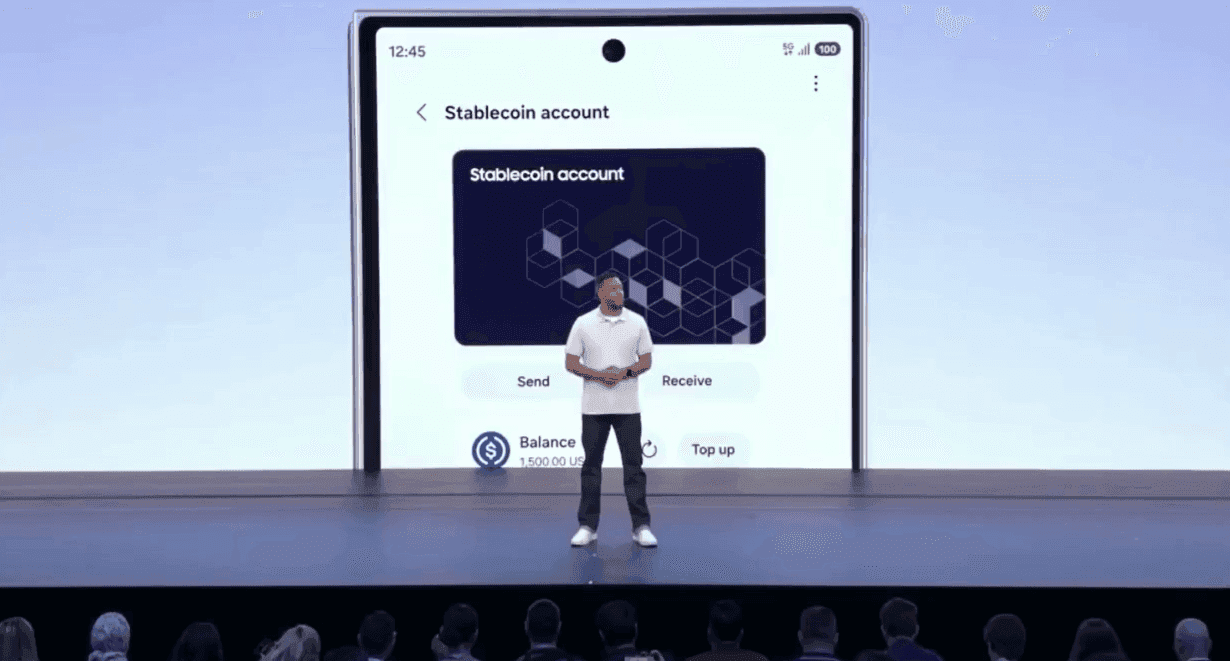
Samsung Puts Stablecoins in Its Wallet: What It Means for Crypto Prices
Samsung Wallet is getting native stablecoin support, with USDC demoed on stage. No launch date yet — but the distribution potential is real.

June 17, 2026 7:21 PM

Binance EU Access at Risk: What MiCA Could Mean for BNB and Crypto Users
Binance is facing one of its biggest regulatory tests in Europe as the MiCA deadline approaches. Could this put BNB and EU crypto users under pressure?
December 26, 2025 1:50 PM

Breaking: Trust Wallet Chrome Extension Hack Drains $7M, Full Reimbursements Promised
A supply-chain attack hit Trust Wallet’s Chrome extension, draining $7M from users. Binance’s CZ says all victims will be reimbursed.

October 13, 2025 12:09 PM
Is Binance’s $283M Payout the Catalyst Behind BNB’s Surprise Rally?
BNB just bounced back hard up nearly 12% in a day right after Binance paid out a massive $283 million.

October 3, 2026 10:38 AM

44 Percent Below the Record: BNB's 37th Burn Follows in Mid-October
A year ago BNB stood at $1,370; today it is around $767. The price has been swinging between $750 and $800 for weeks, and the next quarterly burn is due around the anniversary of the record. Here are the levels that count and what the burn actually does.
September 22, 2026 10:25 PM
Binance Buys Into Circle: What the USDC Deal Means for Your Balance
Binance is taking a $100 million stake in Circle and extending the USDC agreement by five years. For investors in Germany, the sum matters less than the question of who earns money from stablecoins left sitting idle.
March 24, 2026 4:06 PM
Circle (CRCL) Stock Plummets 17% on Stablecoin Yield Crackdown Fears
Circle Internet Group (CRCL) shares dropped 17% today following reports of a potential legislative crackdown on stablecoin yields. USDC remains pegged to $1 (for now).
October 5, 2025 7:09 AM
BNB Price Surges Past $1,150 – This Rally Might NOT Continue...
BNB has soared above $1,150 after breaking past key resistances. Uptober momentum fuels optimism, but will global uncertainty limit further gains?
June 7, 2025 12:19 PM

Circle Stock Explodes After IPO: What’s Behind USDC's Wild Debut?
Circle, the company behind USDC, just made Wall Street history. After pricing its IPO at $31, the stock soared to over $100. But what’s driving the hype—and is it sustainable?
May 19, 2025 1:00 PM

BNB Price Prediction: $720 Next or $600 First?
BNB is hovering around $640, but don’t let the calm fool you. A massive move is brewing either a breakout or a plunge back to $600.
October 29, 2026 10:40 PM
Binance Withdrawals After the Hack: Solana and XRP Paused, Bitcoin and Ethereum Open
Are Binance withdrawals working after the suspected hack? For Bitcoin, Ether and USDT on Ethereum and Tron, yes. Paused according to Binance: Solana, XRP and stablecoins on Solana, Optimism, Avalanche, NEAR and Polygon. The status by network and how to withdraw safely.
October 8, 2026 10:18 AM

Solana Price at $115.23, Samsung Brings USDC to 82 Million Galaxy Phones: US Only at Launch
Samsung Wallet is set to settle USDC transfers over Solana from the last week of October, starting on 82 million Galaxy devices in the United States. Nothing changes for holders in Germany for now, and the price barely moved on Thursday.
September 14, 2026 4:10 AM

Foreign Code on Your Ethereum Address: How to Check Your EIP-7702 Delegation
Since the Pectra upgrade, a single signature can be enough for your Ethereum address to run the code of someone else's contract. Our own measurement across 200 blocks shows what these delegations mostly point to today, and how to check your own address in a few minutes.
August 20, 2026 1:45 AM
Wallet Drainers: What You Really Approve When You Confirm, and How to Take It Back
Most emptied wallets were never hacked. Their owners confirmed it themselves, granting an approval that is unlimited and never expires. What sits behind "Approve" and a signature request, and how to get rid of old approvals.
January 24, 2023 6:33 AM

Can the BNB Price hit $1000 in 2023?
Will the BNB price reach $1,000 in the coming months? Let's take a look at this in BNB price prediction article.
October 14, 2026 1:21 AM
BNB zero fees for USDC and USD1 until October 31: what changes for investors in Germany
On the BNB Smart Chain, withdrawals and wallet transfers in USDC, USD1 and U cost no gas until October 31. The 37th auto-burn is also due, and total supply still sits 33.16 million tokens above the target of 100 million.
October 29, 2026 9:54 PM

Biggest Crypto Hack Ever? Binance Joins the List of Exchange Hacks
At about $2.8 billion the suspected Binance hack would be the largest theft a crypto exchange has ever suffered. The biggest crypto hacks at a glance, why exchanges are hit more often, what Tornado Cash has to do with it and what past cases meant for prices.
October 29, 2026 9:55 PM
Solana Crash: SOL Falls Below $100. Is $80 Next?
Solana lost 3.3% within an hour after the Binance hack and slid to $95.64, although not a single SOL was stolen. Why Solana falls anyway, why it was already weak before and which price levels matter now.
September 20, 2026 7:10 PM

BNB Is Back Above $100 Billion: What Is Really Behind Binance Chain's Lead
BNB is back above $100 billion, and the reason doing the rounds is always the same figure: $3.6 billion of growth in real-world assets, more than on any other chain. The number is right. It just measures something other than what the headlines suggest.

June 9, 2024 3:12 PM

Binance Reaches 200 Million Users: What's Next?
Binance celebrates reaching 200 million users, solidifying its position as a leading cryptocurrency exchange. Discover the latest on BNB's market status and future prospects.
October 25, 2026 3:23 PM

USDC on 82 million Samsung phones: the level that decides for Solana
In the last week of October, Samsung is switching on USDC transfers over Solana on 82 million Galaxy devices, with custody through Bastion and Coinbase. What that means for the SOL price we measure against fees, emission and fund flows.
February 6, 2026 5:38 AM

CZ Under Fire: How Controversial Tweets Are Shaking the Crypto Market in 2026
CZ’s recent social media activity sparks controversy as the crypto market faces a 25% YTD crash. Explore the impact of Binance’s founder on current price trends.
October 29, 2026 9:49 PM
Is This the End? How Low Bitcoin Could Fall After the Binance Hack
About $2.8 billion left a Binance hot wallet and Bitcoin slid below $79,000. Whether this turns into a real crash depends on one question. Three scenarios, the key price levels for Bitcoin, Ethereum and Solana and what to do now.
October 29, 2026 12:28 AM
Bitget Wallet opens EUR accounts: incoming euros become USDT or USDC
Since October 27, 2026 Bitget Wallet gives its users their own account number in euros and US dollars, and the app converts incoming money automatically into USDT or USDC. What that means for SEPA transfers, the MiCA status of the two stablecoins and the holding period is set out here.
More from CryptoTicker