
Big Win for Crypto: SEC Says Dollar-Backed Stablecoins Are Not Securities
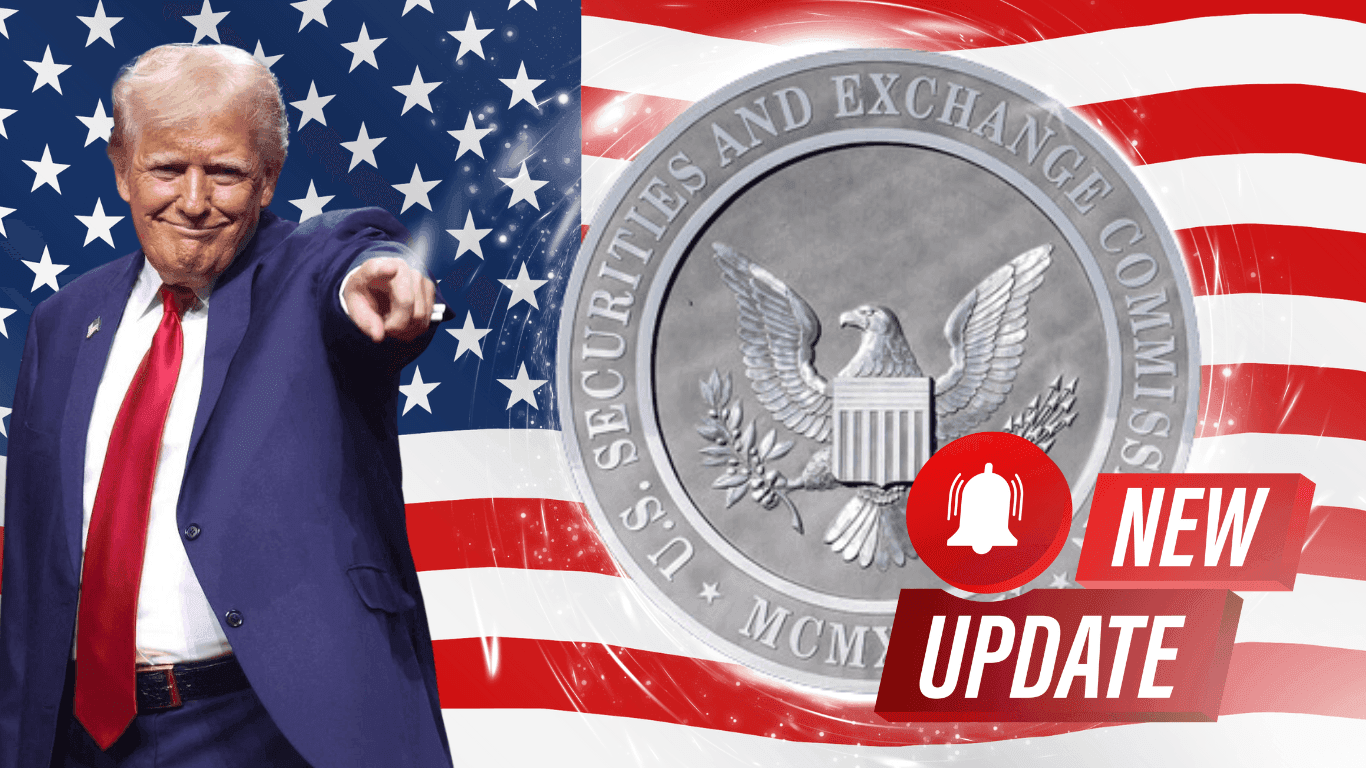
The U.S. SEC just made a game-changing move. Stablecoins backed by actual dollars and easily converted to cash are officially not securities. What does that mean for the crypto industry in the USA? Let’s break it down.

Which topics should we dive deeper into?
Select what genuinely interests you. Your picks feed directly into our editorial planning.
Crypto news that's actually worth your time.
Weekly. 60 seconds. Carefully curated by our editors: no hype, no promo flood, no spam.
SEC Drops a Bombshell — Covered Stablecoins Get the Green Light
In a huge regulatory development, the U.S. Securities and Exchange Commission (SEC) announced on April 4 that "covered" stablecoins — those fully backed by U.S. dollars and easily convertible to fiat — are not considered securities under U.S. law.
That means top-dollar-backed tokens like USDT (Tether) and USDC (Circle) are finally getting some legal breathing room.
What Are Covered Stablecoins, Anyway?
The SEC defines covered stablecoins as digital tokens that are:
- Pegged 1:1 to the U.S. dollar
- Backed by cash or cash-equivalent low-risk assets (like U.S. Treasuries)
- Used for payments, storing value, or transmitting funds
- Redeemable on demand by the issuer
In short: they function like digital dollars. And the SEC now says if you're minting or redeeming these types of stablecoins, you don’t need to register with them — because these tokens aren’t securities in their eyes.
What About Algorithmic Stablecoins?
There’s a catch.
While dollar-backed stablecoins got the green light, the SEC pointedly did not extend this clarity to algorithmic stablecoins — those backed by code and economic mechanisms rather than dollars. Think: the now-infamous TerraUSD (UST) that collapsed in 2022 and wiped nearly $45 billion from the market.
That silence speaks volumes. It looks like algorithmic stablecoins are still in regulatory limbo, and may face stricter scrutiny moving forward.
Why This Matters — And Why Now
This isn’t just a one-off announcement. It aligns perfectly with several bills currently circulating in the U.S. Senate, including the GENIUS Stablecoin Bill and the Stable Act of 2025. Both aim to create a clear legal framework around stablecoins and preserve the U.S. dollar’s role as the global reserve currency.
Under these bills, big-name stablecoin issuers like Tether and Circle would fall under Federal Reserve oversight, ensuring their dollar reserves are held in regulated banks and short-term Treasuries.
With USDT now sitting as the world’s third-largest crypto and dominating the stablecoin market with over $144 billion in market cap, the timing of this SEC clarification is anything but random.
Crypto News: It’s a Bullish Signal for U.S. Crypto
The SEC’s new stance on dollar-backed stablecoins is a major win for the U.S. crypto sector. It signals a shift toward clearer regulations, something the industry has been begging for.
With legal clarity comes more innovation, institutional involvement, and consumer trust. And with the U.S. potentially creating a stablecoin-friendly framework, the country could finally catch up in the global digital asset race.
Related articles
- Russia Opens Crypto to Retail Investors on November 17: What Bitcoin, Ethereum and USDT Access Really Means
- Midterms Recap: The Crypto Roadmap to January 3, When the CLARITY Act Expires
- US Midterms Tomorrow: 5 Scenarios for Bitcoin, XRP and Solana
- How to Buy USDT in the EU: 7 Platforms Checked, What Still Works
- Tether's excess reserves climb to $7.95 billion: “USD₮ remains dependable when people need it most”
Which topics should we dive deeper into?
Select what genuinely interests you. Your picks feed directly into our editorial planning.
Crypto news that's actually worth your time.
Weekly. 60 seconds. Carefully curated by our editors: no hype, no promo flood, no spam.

October 29, 2026 10:50 PM
USDT Frozen: We Counted What Tether and Circle Really Blocked in the Binance Hack
Tether and Circle report freezes worth about $2.4 billion. We queried the contracts ourselves: 1.18 billion USDT and 823 million USDC are frozen on the attacker address. About 700 million USDT were already gone. How stablecoin freezes work and whether Tether can freeze your USDT too.
October 29, 2026 12:28 AM

Bitget Wallet opens EUR accounts: incoming euros become USDT or USDC
Since October 27, 2026 Bitget Wallet gives its users their own account number in euros and US dollars, and the app converts incoming money automatically into USDT or USDC. What that means for SEPA transfers, the MiCA status of the two stablecoins and the holding period is set out here.

October 23, 2026 4:57 PM

South Korea Makes Stablecoins an Official Means of Payment: What the New Rule Really Says
South Korea is rewriting its forex law to classify stablecoins as a means of payment. Crypto Twitter calls it adoption. The fine print says surveillance.
October 23, 2026 1:35 PM

What is Tether (USDT)? The stablecoin explained: 182 billion tokens without EU authorisation
With 182.8 billion tokens in circulation, Tether is the largest stablecoin in the world and settles two out of every three crypto dollars traded. In the EU it lacks authorisation as an e-money token, and from January 8, 2027 authorised providers may no longer offer services around it.
October 22, 2026 4:42 PM

USDT or USDC: the key points before the October 30 deadline
Analysis: in the European Economic Area, Coinbase converts remaining balances in USDT, DAI and PYUSD into USDC on October 30, 2026, and from November 12 the EBA supervises the USDC issuer directly. This piece sets out what that means for the choice between the two largest dollar stablecoins, and separates the documented deadlines from the newsroom's assessment.
October 22, 2026 7:41 AM
CLARITY Act: what the US crypto law would do and where it stands in the Senate
In context: what the CLARITY Act would do, how the House and the Senate voted, and what the SEC and CFTC are pushing ahead without a law. With a timeline, the vote arithmetic and a comparison with the EU regulation MiCA.
October 20, 2026 10:18 AM

Coinbase converts USDT and DAI into USDC on October 30: the swap restarts the one-year holding period
On October 30 Coinbase will convert the remaining USDT, DAI and PYUSD balances in the European Economic Area into USDC. The swap counts as a disposal under section 23 of the German Income Tax Act, and the one-year clock starts again for the new balance.
October 18, 2026 10:27 AM

Stablecoin depeg: will the 1.00 euro peg hold?
A stablecoin depeg is the moment the market price leaves its tie to the euro or the dollar. What the MiCA regulation requires of the reserve and of redemption, how to recognise a token's design, and what a swap into a stablecoin means for your holding period.
October 16, 2026 1:25 AM
USDC becomes the EU's first significant e-money token: what changes for holders on November 12
The European Banking Authority classified USDC as the EU's first significant e-money token on October 14. From November 12 it will examine the issuer's reserve, own funds and liquidity itself, rather than leaving that to the French supervisor alone.
October 13, 2026 7:19 AM

Financial Stability Board on 300 billion dollars in stablecoins: “untested in severe stress and insolvency”
The Financial Stability Board handed the G20 a status report on stablecoins on 12 October: a market worth 300 billion dollars, 99 percent of it pegged to the US dollar, and a supervisory structure that remains untested in severe stress and insolvency. Here is what the gaps it describes mean for holders in Europe, where MiCA already closes them and which ones stay open.

October 11, 2026 7:32 PM

Solana loses 6.4 percent of its stablecoin reserves: what counts for your sell order now
Since September 25, $1.12 billion in stablecoins has left the Solana chain, around $70 million a day. That number says more about your next sell order than the price does.
October 3, 2026 10:20 PM

2027 start for the UK stablecoin regime: what the Bank of England mandate means
The Bank of England's new innovation objective is a signal for digital payments, not a stablecoin licence. What still decides the outcome are the FCA rules, supervision and the timetable running to 2027.
October 2, 2026 10:28 PM

GENIUS Act stablecoin rules: what applies today and what stays open until 2027
The GENIUS Act creates the US framework for payment stablecoins. Which proposals are already on the table, why the OCC matters and what stays open until January 2027.
September 29, 2026 11:45 AM
Tether Freezes $550 Million in Iran-Linked USDT as Senate Probe Turns Up the Heat
Tether says it helped freeze nearly $550 million in Iran-linked USDT in 2026, one day after Senate investigators called USDT central to Iran's shadow banking.
September 29, 2026 11:10 AM
CLARITY Act 2.0: What Happens to US Crypto Regulation After the Senate Defeat?
The CLARITY Act failed 49-50 in the Senate. A rewrite is taking shape while the SEC and CFTC move on their own. Where US crypto regulation stands now.
September 22, 2026 10:25 PM

Binance Buys Into Circle: What the USDC Deal Means for Your Balance
Binance is taking a $100 million stake in Circle and extending the USDC agreement by five years. For investors in Germany, the sum matters less than the question of who earns money from stablecoins left sitting idle.
September 19, 2026 10:17 AM
Trump's Crypto Empire Just Killed the Clarity Act, But Bitcoin Ripped Past $80,000 Anyway
The Clarity Act is dead and crypto insiders are blaming Trump's own coins. Bitcoin shrugged it off and squeezed past $80,000. Here is what actually changed.
September 18, 2026 10:24 PM

CLARITY Act Fails, the CFTC Takes Over: What the New US Crypto Rules Change for Investors in Germany
The CLARITY Act has failed in the US Senate, yet regulation moves on: the CFTC has filed two rule proposals of its own and the SEC has opened trading in tokenised stocks. What that means for Bitcoin, XRP and the rest, and what you should check as an investor in Germany.
September 15, 2026 5:00 PM
What Happens If the CLARITY Act Fails Today: Will Crypto Still Win?
The Senate votes on the CLARITY Act today. Even if it fails, US crypto keeps its rules, its regulators and its president. Here is why.
August 29, 2026 5:02 PM
CLARITY Act Senate Vote of September 15: Failed 49 to 50, and What the Bill Would Have Done
The US Senate rejected the CLARITY Act 49 to 50 on September 15, 2026. Here is what the bill would have done and why the market had bet against it.
August 16, 2026 9:11 PM

Swapping Bitcoin for Stablecoins: Does Austria Charge Tax?
Anyone swapping bitcoin for USDT or another stablecoin usually pays no tax in Austria yet. When the swap does become taxable after all.
August 13, 2026 6:18 AM

Revolut Delists USDT: Forced Conversion on August 31, 2026 Counts as a Sale
Revolut is taking USDT off the table on August 31, 2026: purchases have already stopped, deposits are blocked, and anyone who fails to act before the deadline faces an automatic conversion that counts as a sale for tax purposes. This article explains the deadlines, the tax treatment under section 23 of the German Income Tax Act and what you can do now.
August 11, 2026 9:17 AM
SEC Sets August 14 Vote to Launch Its First Major Crypto Rule
The SEC meets Friday to propose Regulation Crypto, its first real crypto rulemaking. CLARITY slipped to September. Regulation did not wait.

July 25, 2026 12:44 PM
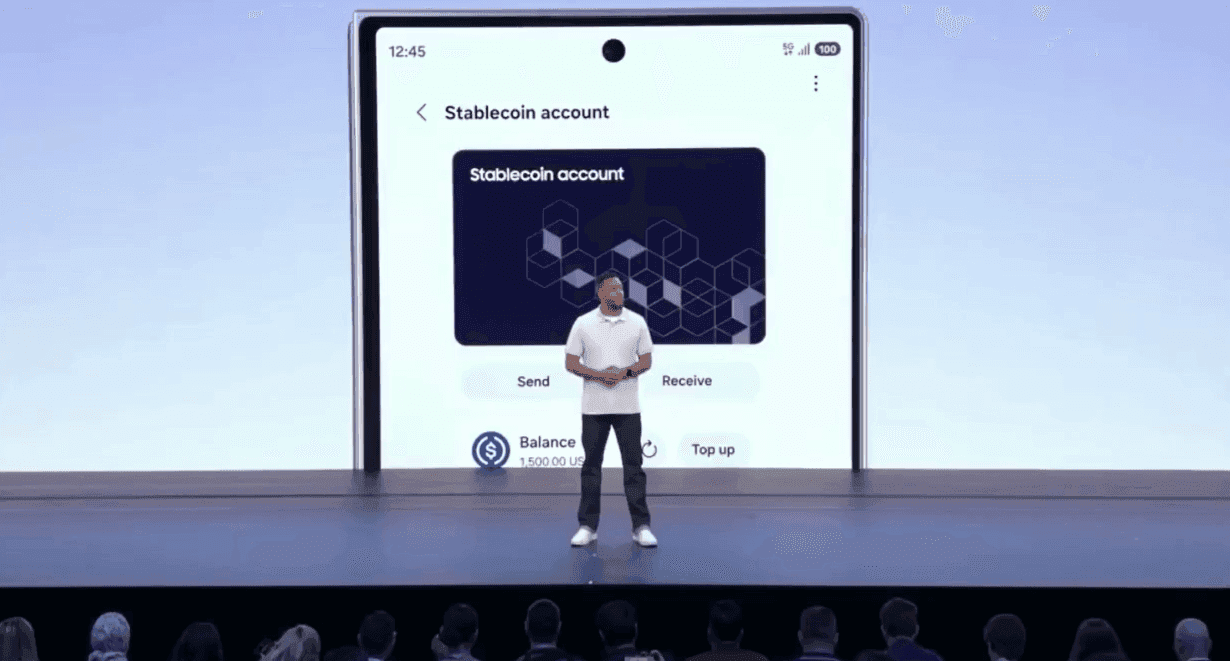
Samsung Puts Stablecoins in Its Wallet: What It Means for Crypto Prices
Samsung Wallet is getting native stablecoin support, with USDC demoed on stage. No launch date yet — but the distribution potential is real.
July 11, 2026 12:43 PM

Circle Just Became a Bank: What the OCC Trust Bank Approval Means for USDC
The USDC issuer just cleared a milestone no stablecoin company has reached at this scale — and it changes how the biggest regulated stablecoin is backed.

More from CryptoTicker