
Bitcoin mining app: even a fast phone would need 20 million years to find one block
A bitcoin mining app does not turn your smartphone into a miner: even with generously assumed performance, a phone earns around 0.00003 euros a day. We run the numbers, explain the app store rules and show where payouts from such apps really come from.

Which topics should we dive deeper into?
Select what genuinely interests you. Your picks feed directly into our editorial planning.
Crypto news that's actually worth your time.
Weekly. 60 seconds. Carefully curated by our editors: no hype, no promo flood, no spam.
A bitcoin mining app on a smartphone does not mine any bitcoin worth having. Even if your phone could compute one billion hashes per second, which no phone can, at the current difficulty it would earn around 0.00003 euros a day and need just over 20 million years on average to find a single block. That is why Apple does not allow mining on the iPhone at all, and Google banished such apps from the Play Store in 2018. If an app still shows you payouts, they come from somewhere else: from rented computing power in a data centre, from advertising revenue, or from a points system that shares nothing with mining but the name.
This guide runs the numbers on why that is, explains the three business models behind mining apps and shows how to spot dubious offers. If what you really want is to own bitcoin, a regulated crypto exchange gets you your coins far more cheaply than any mining app.
Bitcoin mining on a smartphone: the maths of hashrate and difficulty
In mining, computers keep calculating a checksum until one of them falls below a target value set by the network. Whoever finds a valid value first may attach the next block to the blockchain and receives the block reward. This process is called proof of work: whoever proves computational work gets paid. The hashrate is the number of these attempts per second. The difficulty is the level the network adjusts every 2,016 blocks so that, on average, one block is produced every ten minutes.
In early November 2026 the difficulty stands at 148.36 trillion. On average the network therefore needs around 637 sextillion attempts per block (difficulty times 2 to the power of 32). According to data from mempool.space, the combined computing power of all miners worldwide recently stood at just over 1,000 exahashes per second, more than a quintillion attempts every second. That is what your phone is up against.
What a phone computes: estimates from kilohashes to megahashes
Hardly anyone measures properly how fast a smartphone computes the bitcoin algorithm SHA-256, because it is not worth it. The estimates vary widely. The payment service Plisio puts a current flagship model at 1 to 5 kilohashes per second, at a consumption of 6 to 7 watts. Other providers cite up to 20 megahashes per second. For the calculation below we deliberately use a much higher figure: 1 gigahash per second, one billion attempts. That makes the phone in our calculation at least fifty times faster than in the most optimistic estimate, and the result is still unambiguous.
Daily earnings in euros and satoshis
The formula is the same as in our bitcoin mining calculator: hashrate times 86,400 seconds, divided by difficulty times 2 to the power of 32, gives the expected blocks per day. Multiply that by the block reward of 3.125 bitcoin and you have the earnings. Transaction fees currently add only small amounts and do not change the picture.
| Assumed hashrate | Bitcoin per day | Euros per day | Time to one block (average) |
|---|---|---|---|
| 5 kilohashes/s (Plisio estimate) | 0.000000000000002 | practically zero | around 4 trillion years |
| 20 megahashes/s (highest estimate) | 0.0000000000085 | 0.0000006 | around 1 billion years |
| 1 gigahash/s (our assumption) | 0.00000000042 | 0.00003 | around 20 million years |
| 1 terahash/s (for comparison) | 0.00000042 | 0.029 | around 20,000 years |
The basis is the difficulty from early November 2026 and a bitcoin price of around 67,500 euros on Friday afternoon (as of November 6). The smallest unit of a bitcoin is called a satoshi, one hundred-millionth of a bitcoin. At 1 gigahash per second you would need just over three weeks for a single satoshi. With the highest estimate of 20 megahashes it would take just over three years, and almost 48 years for one cent.
Hashrate of a phone versus an Antminer: a gap of 13 million times
Today bitcoin is mined almost exclusively with specialised mining hardware known as ASICs. These are chips that can do only one thing, compute SHA-256 checksums, and do it millions of times faster than any general-purpose processor. According to the manufacturer, an air-cooled Antminer S21 XP from Bitmain delivers 270 terahashes per second. That is around 13.5 million times the highest estimate for a smartphone.
Even this machine loses money in Germany. Our mining calculator from November 3 puts the S21 XP at 7.91 euros of earnings a day on consumption of 87.5 kilowatt hours. On household electricity at 36.18 cents per kilowatt hour, the device loses around 24 euros a day. If the specialised machine cannot pay its way on grid power, a phone with a fraction of a fraction of its performance certainly cannot earn anything.
Mining pool instead of solo mining
A mining pool combines the computing power of many participants and splits the reward according to each one's share of the joint hashrate. A pool makes payouts more regular, but not larger: the expected value stays the same, only the luck is shared out. On top comes the pool fee, usually charged as a percentage of the payout. Many pools only pay out above a minimum amount that a phone would not reach in a human lifetime.
Electricity costs of phone mining: 6 cents of power against 0.003 cents of earnings
A phone computing at full load around the clock draws about 6 to 7 watts, according to Plisio's estimate. At 7 watts that is 0.168 kilowatt hours a day. At the German household electricity price of 36.18 cents per kilowatt hour that Eurostat reports for the first half of 2026, that costs around 6 cents a day. Against that stand 0.003 cents of earnings in our generous calculation. The electricity therefore costs about two thousand times what the phone brings in.
Then there are costs that appear on no electricity bill. The mining pool Kryptex warns on its own website that continuous mining can damage a smartphone's battery and display. Lithium-ion batteries age faster in heat, and a processor under constant load gets hot. A replacement battery or a new device costs many times what you would mine in years.
Monero and other CPU coins on a phone
Mining on a phone is technically possible for coins whose algorithm is deliberately designed for ordinary processors. The best-known example is Monero with its RandomX algorithm. Kryptex cites 400 to 1,500 hashes per second for smartphones, depending on the model. Here too the earnings remain tiny, and you will not find the apps for it in the official stores. Installing software from third-party sources can easily bring malware onto the device that mines in the background for someone else. This covert mining on other people's devices is called cryptojacking.
 Buy bitcoin on a regulated exchange
App store rules: Apple and Google do not allow on-device mining
Apple addresses this explicitly in section 3.1.5 of its App Store Review Guidelines. Under the point on mining, it says apps may not mine cryptocurrencies unless the processing takes place off the device, for example with cloud mining. An app in the App Store that calls itself a bitcoin mining app therefore either does not compute at all or has the computing done elsewhere, on someone else's servers.
Google followed suit with its Play Store policies in July 2018. According to reports at the time, including from The Hacker News and Bitcoin Magazine, Google excluded apps that mine cryptocurrencies on the device. Apps that manage mining remotely remained permitted. For Android users in Germany this means that whatever appears in the Play Store as a crypto mining app is likewise an interface for something that happens elsewhere, or it is not mining at all.
What the store rule means for you in practice
For you as a user, the store rule is a useful filter. If an app shows a ticking counter and claims your phone is mining bitcoin right now, one of two things is not true: either it breaks the store's rules, or the display is an animation with no real computation behind it. In both cases you should look more closely before putting in data, time or money.
Payouts from mining apps: three sources of money, none of them your phone
Many of these apps nonetheless show a growing balance, and some actually pay out small amounts. The money then comes from one of these three pots. The distinction matters because each model carries its own risks and none of them turns your phone into a miner.
Cloud mining by app: rented hashrate in a data centre
With cloud mining you pay up front to rent a share of the computing power of a provider that runs real ASIC miners in a data centre. The app merely displays your share. Such cloud mining contracts usually run for a fixed term. This is the model Apple explicitly permits. Whether it pays off depends on the same figures as with your own device: difficulty, the bitcoin price, the provider's electricity price and its fees. Because the provider builds all of this into its price, your return is lower than what it earns itself. The questions to put to a provider before signing are summarised in our guide to cloud mining and its alternatives.
Reward apps paying satoshis: ad revenue instead of computing power
A second group calls itself a mining app but makes its money from advertising. You watch videos, play small games or let the app run, and a small part of the ad revenue is passed on to you in satoshis. That is not fraud, as long as the app is open about how the reward is generated. But expect very small amounts and minimum payout thresholds. Your real stake is your time, your attention and your data.
Points apps with their own token: mining in name only
The third group has you press a button every day and credits you with points or a project-specific token in return. The phone computes nothing; the term mining is pure marketing here. The value of these points depends solely on whether the token ever becomes tradable on an exchange and whether there are buyers there. You will not get bitcoin this way.

 Buy bitcoin directly instead of mining it
Ponzi scheme risk: when payouts come from new deposits
It becomes dangerous when an app promises fixed daily returns, for example one or two percent a day on rented hashrate. Mining earnings fluctuate with the bitcoin price and with every difficulty adjustment. No honest provider can therefore promise a fixed daily return. If the payouts to early users in fact come from the deposits of new users, it is a Ponzi scheme. It only works as long as enough money keeps flowing in, and then collapses with a total loss for most participants.
Typical features of such models are bonuses for recruiting new members across several levels, minimum amounts that are only paid out after further deposits, and withdrawal freezes with shifting justifications. Whether a provider is licensed for its business in Germany can be checked in the company database of the financial regulator BaFin. If there is no information at all on registered office, responsible persons and supervision, that is a clear warning sign.
Mining app before you download: five checks against bait offers
Whether you try out a mining app is your decision. These five questions help you assess the risk beforehand:
- Who does the computing? If the app claims your phone is mining bitcoin, the statement is technically implausible. Reputable providers openly name the data centre or the advertising model.
- Who is behind it? Legal notice, registered office and supervisory authority should be easy to find. A provider without an address cannot be reached in a dispute.
- How high is the minimum payout? Work out how long it would take you to get there. If the threshold is far off, the app is earning from you, not you from it.
- Does the app require a deposit? If you first have to send money to receive earnings later, you bear the full default risk. Fixed daily returns are a reason to walk away.
- What permissions does the app request? No mining app needs access to contacts, messages or accessibility services. You are better off refusing such permissions.
Tax on mining earnings: a 256-euro exemption limit for tiny amounts
Even small crypto amounts from apps are not invisible to the tax authorities in Germany. Rewards for advertising or small tasks generally count as other income from services under Section 22 No. 3 of the Income Tax Act. For small-scale private mining without commercial activity, the Federal Ministry of Finance's guidance on crypto assets provides for the same classification. An exemption limit of 256 euros a year applies. If you stay below it, no tax is due. If you are even one euro above it, the full amount is taxable.
If you later sell the coins received, the rule for private disposals also applies: gains within one year of receipt are taxable, with an exemption limit of 1,000 euros a year. Anyone mining on a larger scale with a profit motive may be engaged in a commercial activity, with consequences for trade tax and bookkeeping. Where the line runs is explained in our article on tax on commercial crypto mining. An overview of programs that record such inflows automatically is in our comparison of crypto tax software.
Buying bitcoin via an app: a savings plan beats any mining app
If you want to get bitcoin with your phone, there is a simpler route than any mining app: buying it. For the 6 cents of electricity your phone would use in a day of mining, you get around 90 satoshis on the market, many times what it could mine in centuries. Many exchanges and brokers offer apps where you can buy from one euro or set up a savings plan. A savings plan buys a fixed amount at fixed intervals and so smooths out the entry price.
Pay attention to licensing. Since the transitional periods of the EU's MiCA crypto regulation ended, providers selling crypto assets in Germany need authorisation as a crypto-asset service provider. Which apps best combine fees, choice and usability is covered in the first step at the end of this article. A general overview of ways to buy is offered by the comparison buy bitcoin.
Bitcoin mining app: buying costs less than mining with your phone
A smartphone does not mine bitcoin worth the electricity, and the big app stores do not allow real on-device mining in the first place. Payouts from mining apps come from cloud contracts, advertising or points systems. If you want to own bitcoin, take these three steps:
- Compare apps with low fees and a savings plan in our comparison buy bitcoin with an app.
- Choose a MiCA-licensed provider from our comparison of regulated crypto exchanges.
- Keep larger holdings yourself and securely; suitable devices are in our hardware wallet comparison.
(As of November 6, 2026. This article is not investment advice. Prices and fee structures change; check the terms with the provider before you buy.)
Frequently asked questions about bitcoin mining apps
Transparency note: This article was produced with the assistance of artificial intelligence and reviewed by our editorial team before publication. All figures and claims were checked against the primary sources linked in the text. The feature image was generated with AI.
Related articles
- Bitcoin Price Prediction: How Will September Unfold For BTC Price?
- Bitcoin Mining Rig: How to Mine Bitcoin in 2024?
- FOMC and Crypto: How Can the First FOMC Meeting Under Trump Affect the Crypto Market?
- Bitcoin Price Prediction: BTC Price Surge STARTING or ENDING?
- Buying Bitcoin under 18 in Germany: what parents and exchanges can do
Which topics should we dive deeper into?
Select what genuinely interests you. Your picks feed directly into our editorial planning.
Crypto news that's actually worth your time.
Weekly. 60 seconds. Carefully curated by our editors: no hype, no promo flood, no spam.

August 20, 2024 3:00 PM

New US Senate Proposal Submitted For Crypto Tax Exemption
The US Senate has recently submitted a new proposal to exempt crypto transactions from federal taxes. Here are more details of this submission, and a list of exempted countries it could be joining...

August 16, 2026 9:11 PM
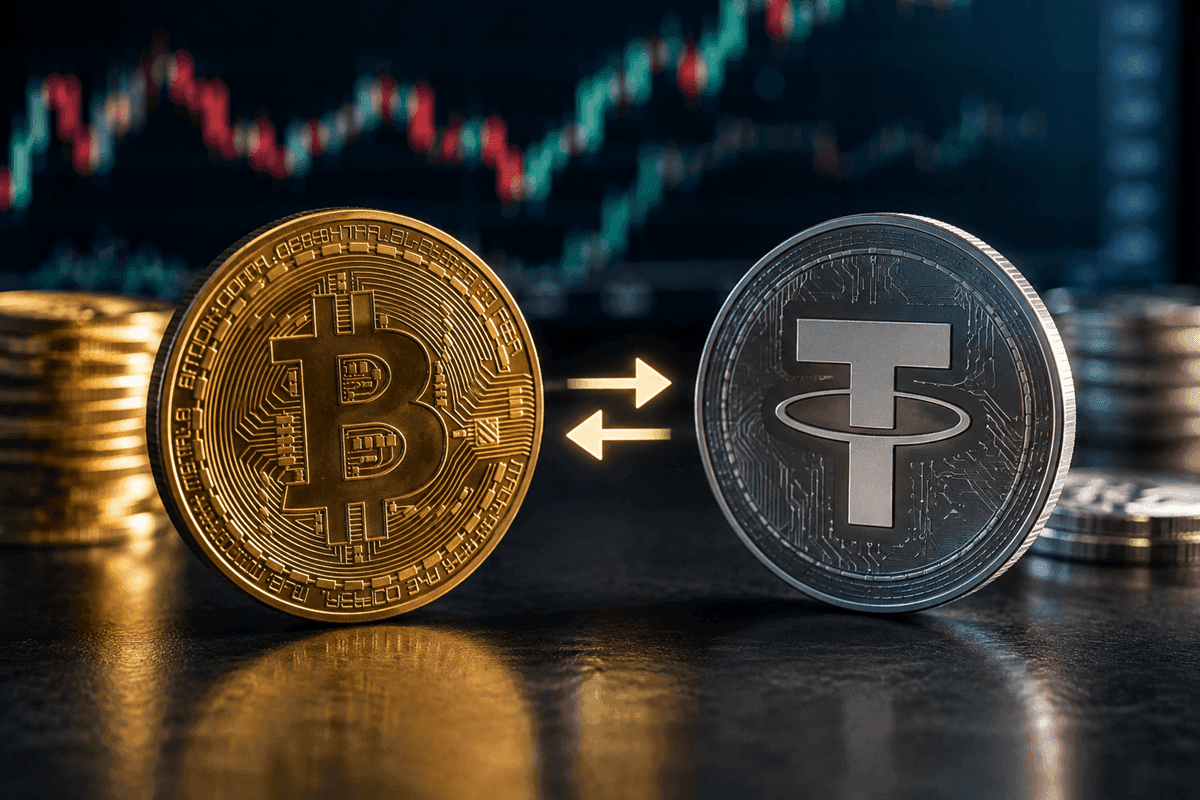
Swapping Bitcoin for Stablecoins: Does Austria Charge Tax?
Anyone swapping bitcoin for USDT or another stablecoin usually pays no tax in Austria yet. When the swap does become taxable after all.

February 23, 2026 6:00 AM
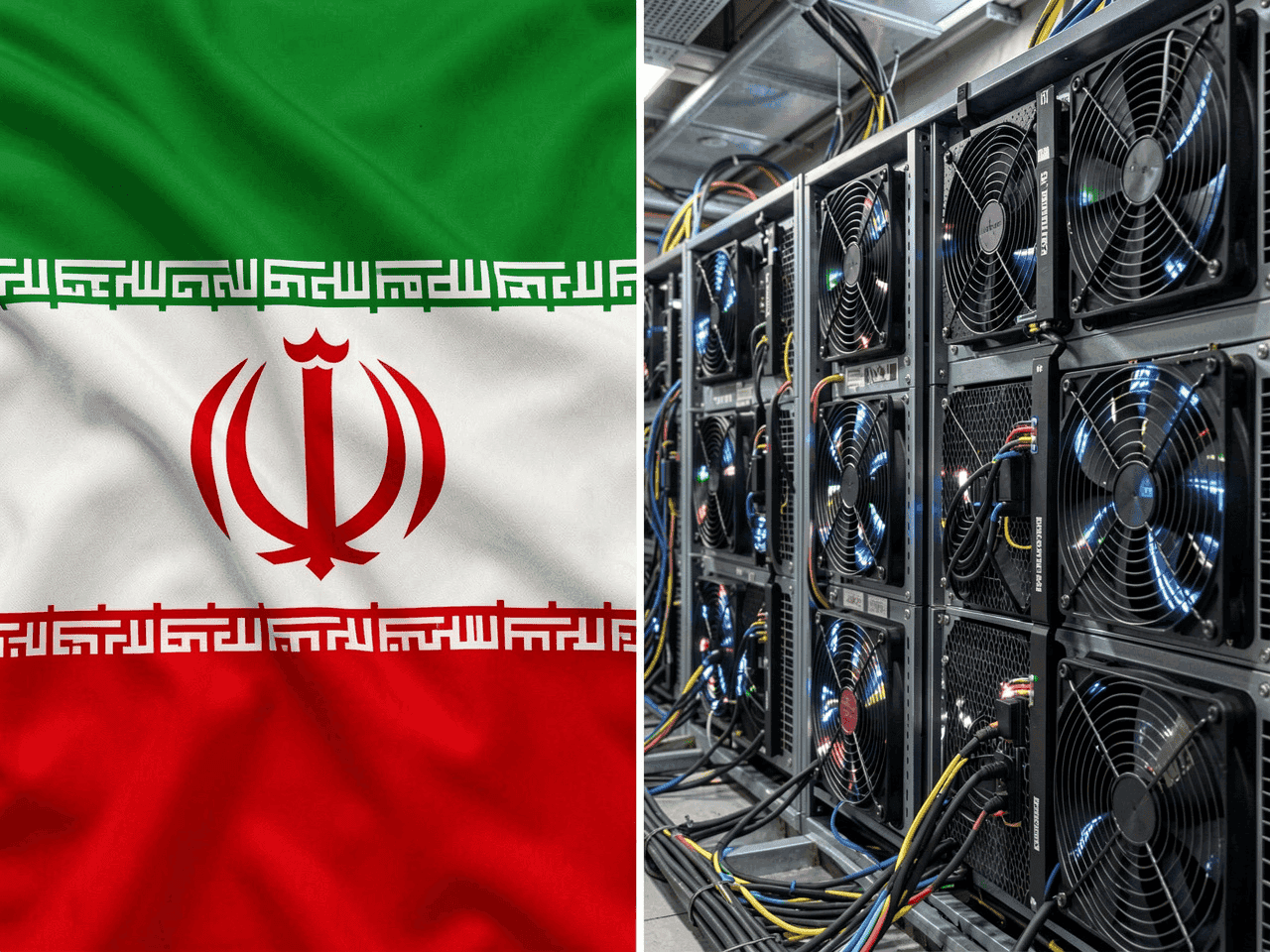
Is Iran Still the Cheapest Place to Mine Bitcoin in 2026?
Mining 1 Bitcoin in Iran costs just $1,320 due to subsidized power. Explore how miners achieve a 50x ROI despite government crackdowns and sanctions.
February 15, 2025 11:34 AM
Bitcoin Price Surges Amid International Governmental Adoption - Can It Break $100K?
Bitcoin price is on the rise, fueled by massive international adoption and growing interest in crypto custody services. Will these developments push Bitcoin past the elusive $100K mark?
March 27, 2025 5:00 AM
Bitcoin or Stablecoins: Which Is the Best to Hold in 2025?
GameStop adds Bitcoin to its treasury while Fidelity explores launching a new stablecoin. But what's in it for investors, and which is the best to hold in 2025?

October 22, 2026 12:31 AM
What Is Bitcoin Mining? How It Works and When It Pays Off
Miners secure the Bitcoin network and earn 3.125 BTC per block. How proof of work functions, what an ASIC costs in electricity in Germany and at what power price mining breaks even.
September 8, 2026 1:25 PM
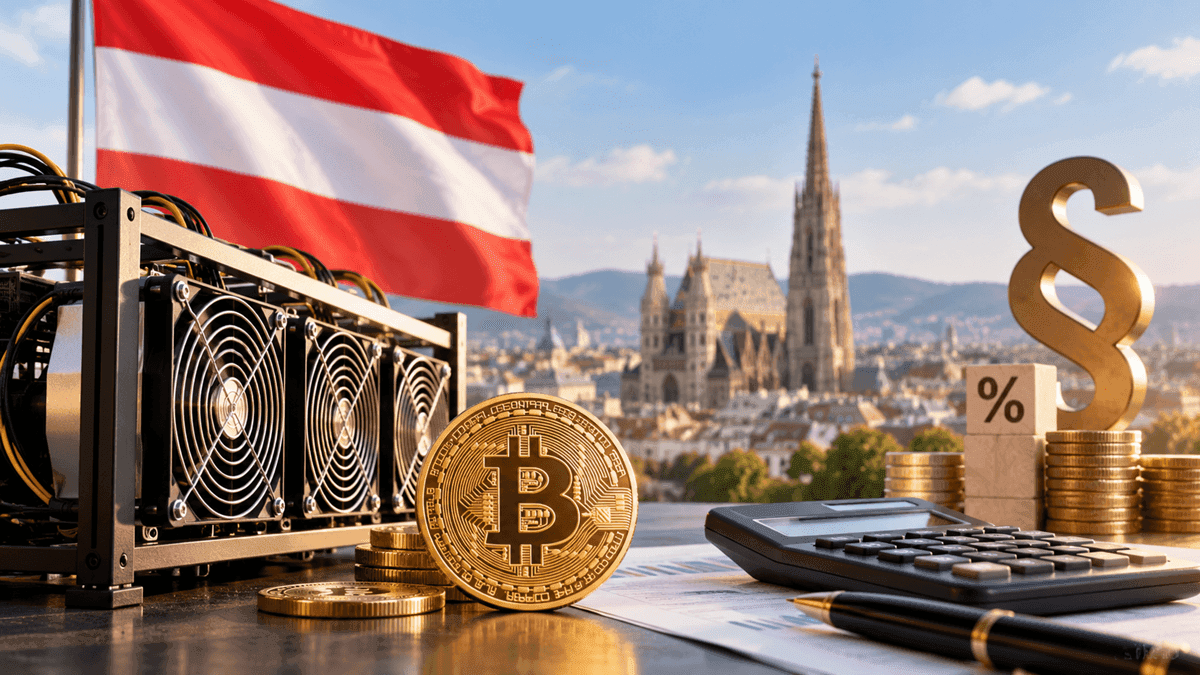
Bitcoin Mining in Austria: How Mining Rewards Are Taxed
Bitcoin mining in Austria: when mining rewards are taxed at 27.5 percent, and when a commercial activity brings the progressive income tax rate into play.
August 10, 2026 5:15 PM
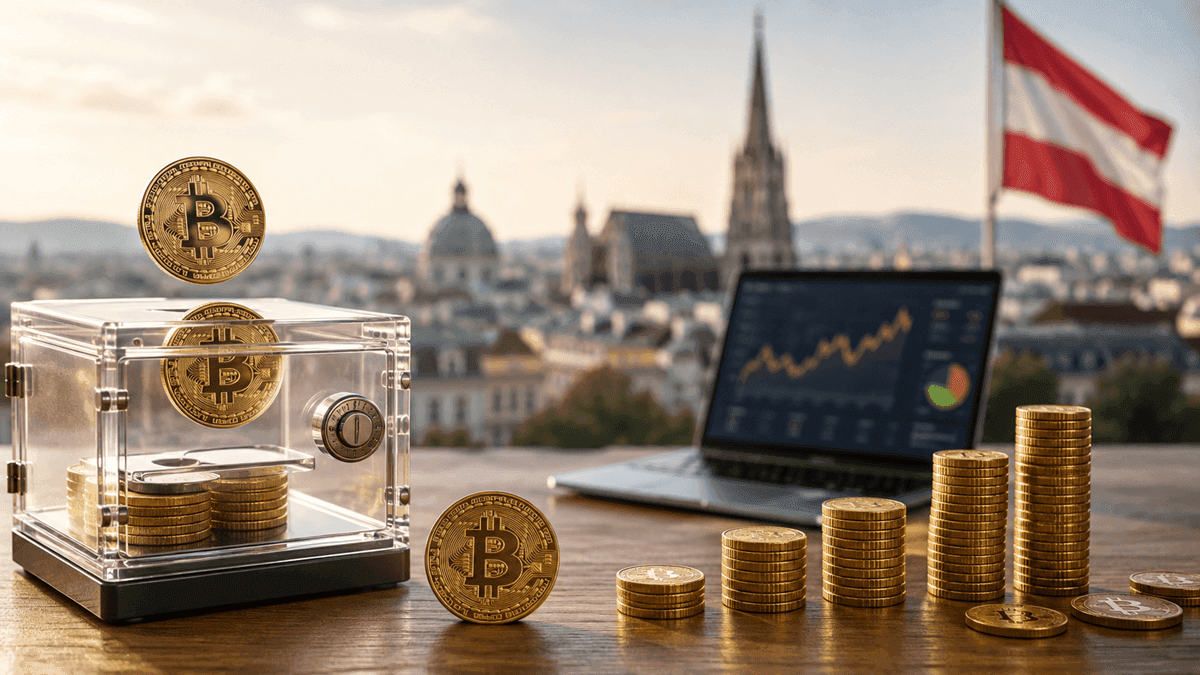
Bitcoin Lending in Austria: When Tax Falls Due
Lending Bitcoin and earning interest: when lending income is taxed at 27.5 percent in Austria and which exchange rate counts.
August 18, 2026 4:22 AM
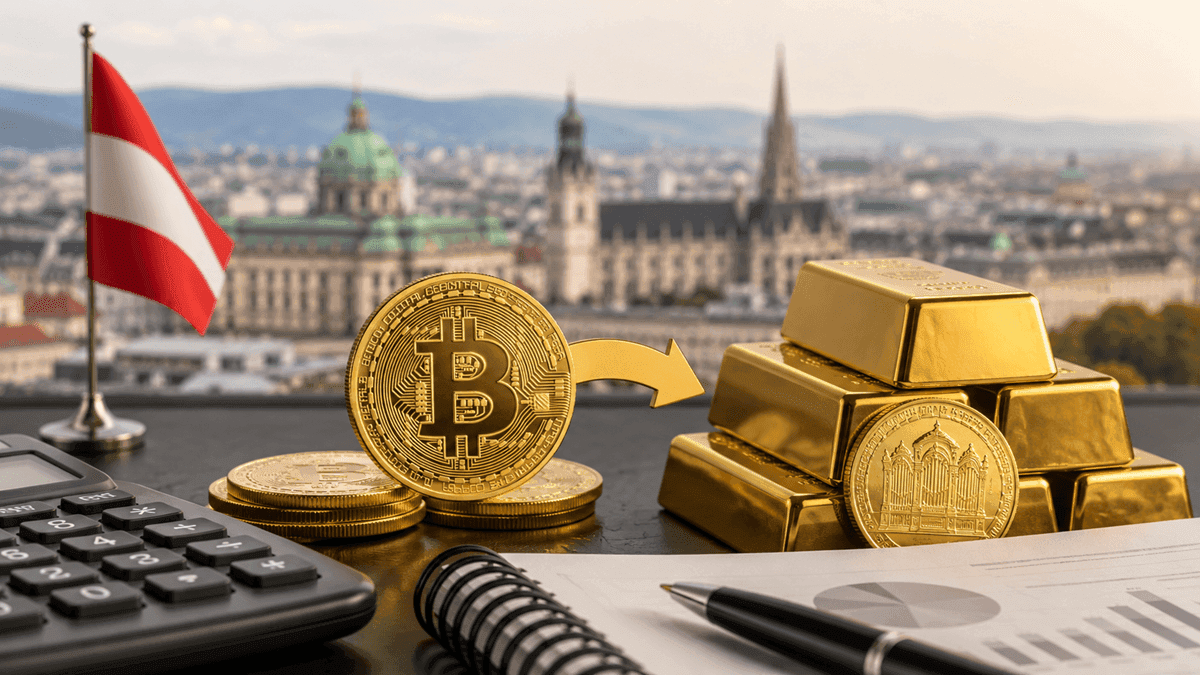
Bitcoin for gold: is the swap taxable in Austria?
Swapping bitcoin directly for gold? In Austria this can already trigger 27.5 percent tax on the capital gain. What investors should know.
October 4, 2026 1:42 AM

Five crypto apps for beginners: costs and custody compared
Fee-free rarely means free of charge with crypto apps: between 0.15 and 2.49 percent per purchase lies a factor of ten. What five apps cost German beginners, who holds the coins and which app permits a transfer to your own wallet.
June 25, 2024 12:18 PM
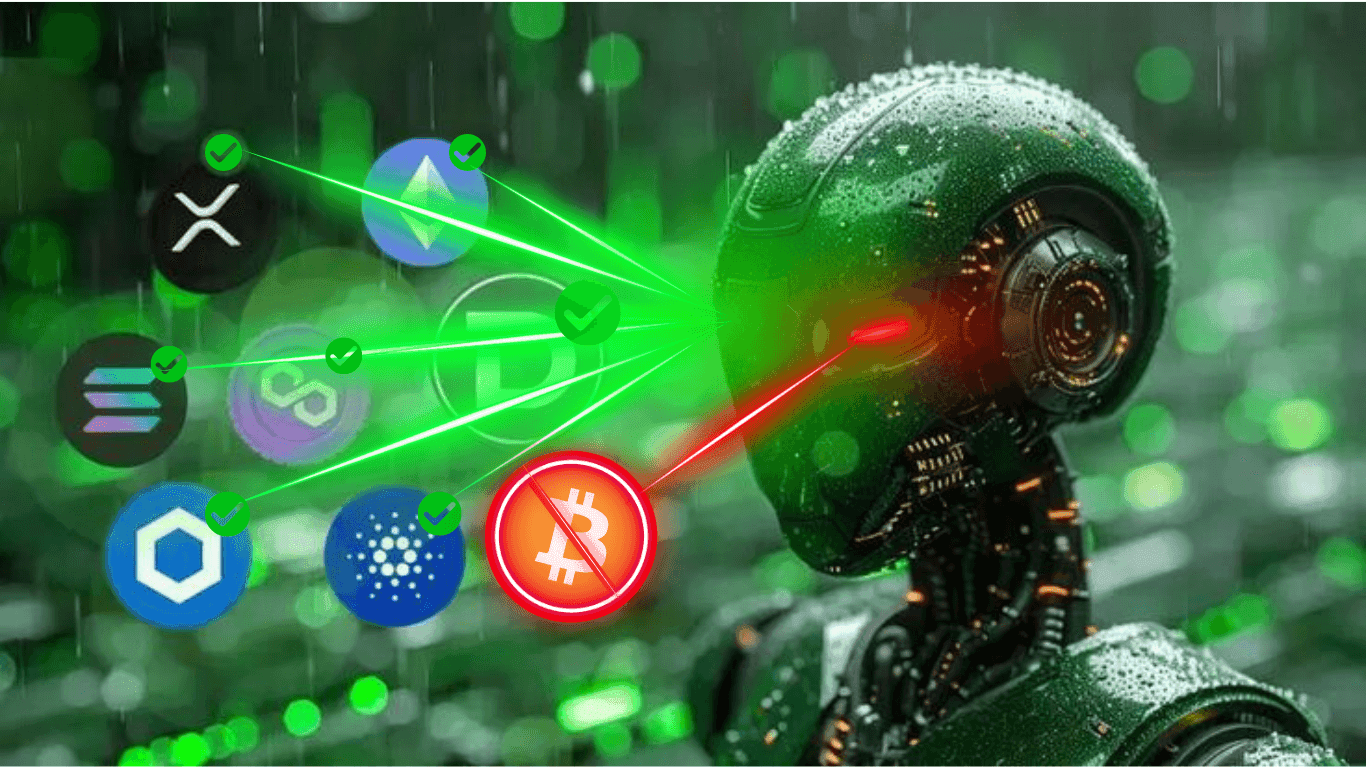
After Bitcoin Crash, Will Altcoins Gains Reach 500%?
In the latest Bitcoin News today, and mainly after the Bitcoin Crash, crypto analysts predict a major shift towards altcoins with market corrections near the end and BTC dominance drop. Will the altcoins gain reach 500%?
June 18, 2026 9:43 AM
Oil Crashes 38% to a 3.5-Month Low — Why This Is Bullish for Crypto
Oil crashed 38% to $74, near pre-war levels. Lower oil means lower inflation and more rate-cut odds — and that's a tailwind for Bitcoin and crypto.
September 4, 2024 8:10 PM
Bitcoin Price Volatility Is Moving BTC Price Down, But For How Long?
As Bitcoin price faces market turbulence, the factors driving its recent volatility, from stock market impacts to key technical indicators signaling potential price shifts are highly important...

November 17, 2023 10:53 AM

Tether Plans to Invest $500M in Bitcoin Mining
Explore Tether's $500M venture into Bitcoin mining. Uncover the strategy led by CEO Paolo Ardoino and its impact on the crypto landscape.
August 5, 2024 10:58 AM
What Are The Reasons Driving The CRYPTO MARKET CRASH?
The recent crypto market crash, starting with the major fall of Bitcoin and followed by major Altcoins has been fueled by multiple factors...Here are the major ones...
October 29, 2026 9:49 PM
Is This the End? How Low Bitcoin Could Fall After the Binance Hack
About $2.8 billion left a Binance hot wallet and Bitcoin slid below $79,000. Whether this turns into a real crash depends on one question. Three scenarios, the key price levels for Bitcoin, Ethereum and Solana and what to do now.
March 28, 2026 1:51 PM
Russia Bans Oil Export: Are Crypto Prices Affected?
Russia bans gasoline exports from April 1, pushing oil prices higher. Here’s how the energy shock could impact Bitcoin and crypto markets.
September 16, 2023 8:24 PM

Can you STILL Mine Bitcoin Today? Here’s the Answer!
Many wonder if Bitcoin mining remains doable for the average Joe. Can you still mine Bitcoin? Is Bitcoin mining profitable today?

April 3, 2023 7:05 AM

Is Bitcoin Mining Dangerous?
With any new technology, there are questions about its safety. In this article, we'll explore the question: is Bitcoin mining dangerous?
February 27, 2022 12:41 PM

Is Bitcoin Mining Illegal? Here’s Everything you Need to Know in 2022
Is Bitcoin mining illegal? In this article, we're going to see where Bitcoin is illegal, where it is legal, and how bans affect Bitcoin prices.
September 24, 2026 10:19 PM
Bitcoin for Retirement: What Applies from 2027 and What You Decide Now
Bitcoin is not permitted in any state-subsidised retirement product, including the new retirement savings account from 2027. Anyone who still wants to use crypto assets for their own pension goes through private assets, and there a cutoff date at the end of 2026 is shifting the tax rules right now.
August 24, 2026 4:13 AM
Volksbank Crypto: Which Banks Already Offer Bitcoin in the VR App
Three of 14 cooperative banks we checked ran a public page on crypto trading with meinKrypto on August 23, 2026, and a fourth points to a different route. What the service can do, what it costs and which question to ask before your first purchase.
May 13, 2026 6:52 PM
Why Did Bitcoin Price Crash below 80k Today?
The crypto market is in turmoil as Bitcoin and Ethereum lose critical support levels. What triggered the sudden price collapse?
February 25, 2026 3:25 PM

Will Crypto Prices Rise if the USA Attacks Iran? A Historical Analysis
Analyzing Bitcoin and crypto price reactions to USA-Iran tensions. Will BTC rise as a hedge or fall during geopolitical conflict?
February 20, 2026 2:36 PM
Crypto News Today: MicroStrategy Buys the Dip as Bitcoin Mining Hits Record Highs
Bitcoin remains the primary focus of institutional interest today, with MicroStrategy adding 2,486 BTC to its reserves, while the network's mining difficulty sees a historic 15% increase.
More from CryptoTicker