
Do Kwon sentenced to 15 years: the Terra collapse verdict and the cases still open
Terra founder Do Kwon is serving 15 years in a US prison after pleading guilty to fraud. This explainer covers the collapse of UST and LUNA, the sentence, the cases still open and what MiCA does differently today.

Which topics should we dive deeper into?
Select what genuinely interests you. Your picks feed directly into our editorial planning.
Crypto news that's actually worth your time.
Weekly. 60 seconds. Carefully curated by our editors: no hype, no promo flood, no spam.
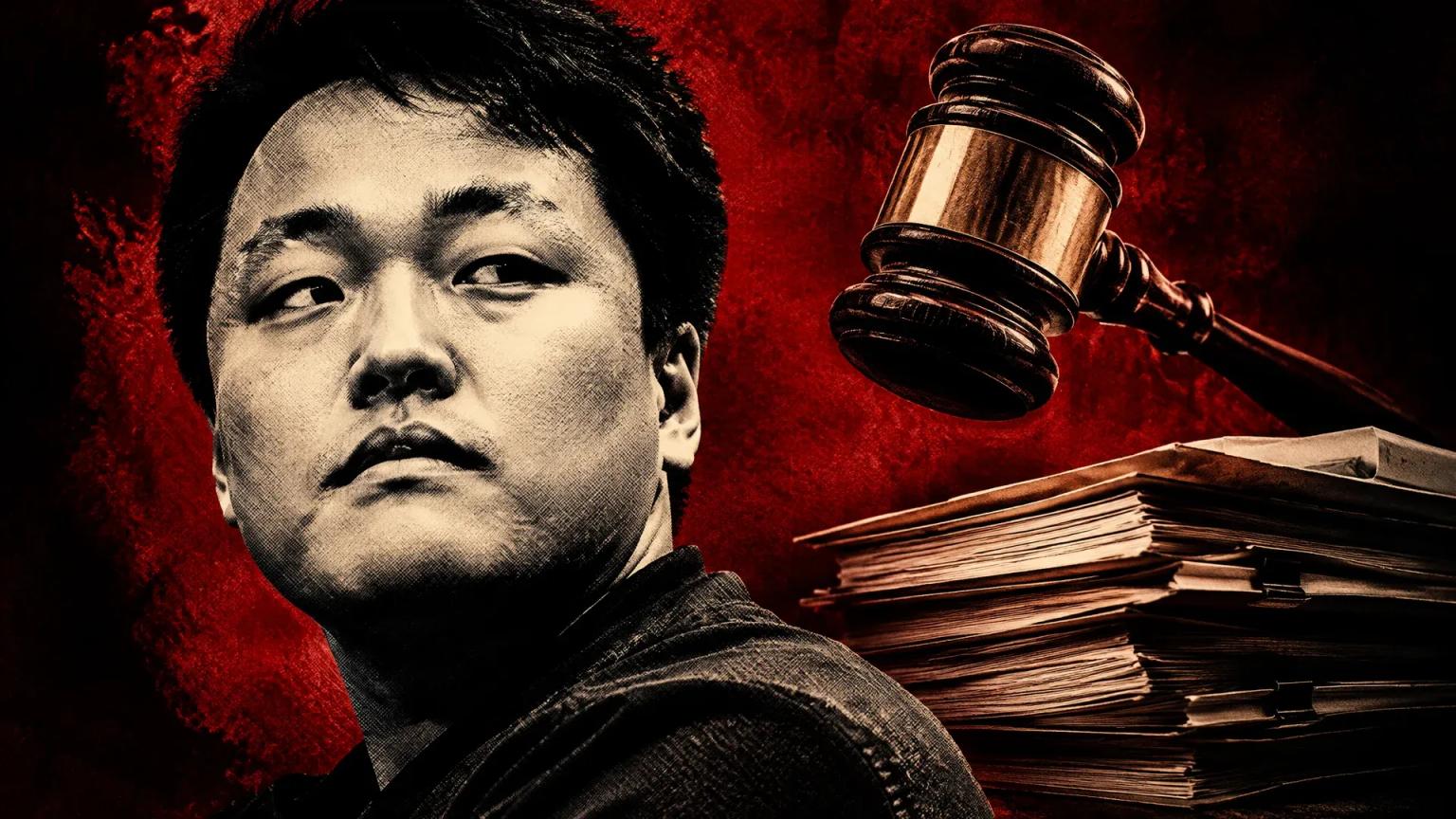
Do Kwon, the founder of Terraform Labs, is serving 15 years in a US prison. Judge Paul Engelmayer sentenced him in New York on December 11, 2025, after Kwon had pleaded guilty to fraud in August 2025. The case concerned the collapse of the stablecoin TerraUSD (UST) and the cryptocurrency LUNA in May 2022. The US Department of Justice puts the damage at around $40 billion, and investors around the world were hit, including in Germany.
This explainer puts the sentence in context: how the Terra system was supposed to work and why it failed, what Kwon admitted in court, which cases are still running and what the case means for investors today. The key point for you: under the EU's crypto regulation MiCA, a stablecoin like UST would no longer get a licence in the European Union. Where you can trade crypto with providers that hold such a licence is shown in our comparison of regulated crypto exchanges.
Who is Do Kwon? The Terraform Labs founder who created TerraUSD
Do Kwon, full name Kwon Do-hyeong, is a South Korean entrepreneur. In 2018 he founded Terraform Labs in Seoul together with Daniel Shin; the company later moved its base to Singapore. Terraform built the Terra blockchain, whose core product was a family of stablecoins. A stablecoin is a crypto token whose price is meant to be pegged to a currency such as the US dollar. The best known of them was TerraUSD, or UST for short.
Kwon was a well-known and combative figure in the industry. On social media he publicly called critics of his model poor, and his followers called themselves "Lunatics". In early 2022 LUNA was among the ten largest cryptocurrencies by market capitalisation, and UST was the third-largest stablecoin behind Tether and USDC.
TerraUSD and LUNA: how the algorithmic stablecoin was meant to work
UST was fundamentally different from stablecoins such as USDC, which hold a dollar or a short-dated government bond in reserve for every token issued. UST was an algorithmic stablecoin. In other words, a swap mechanism built into the protocol was supposed to maintain the dollar peg, with no reserves at all.
The mechanism ran through its sister token LUNA. For one UST you could always get a dollar's worth of LUNA, and vice versa. If UST fell below one dollar, traders could buy it cheaply, swap it for a dollar's worth of LUNA and pocket the difference. In the process UST was destroyed and new LUNA was created. This arbitrage was supposed to pull the price back to the dollar automatically. How stablecoins with real backing work is explained in our guide to how stablecoins work.
The weakness of this design was that it only worked as long as LUNA itself had value. Once confidence in UST collapsed, more and more LUNA was minted, which pushed its price down and in turn weakened confidence in UST even further. Experts call this a death spiral.
Demand for UST was driven mainly by Anchor Protocol, a lending platform on Terra. Anchor promised interest of around 19.5 percent a year on UST deposits. A large share of all UST therefore sat there, and many investors treated the stablecoin as a kind of high-yield savings account.
The Terra crash of May 2022: how UST lost its dollar peg
On May 7, 2022, large outflows from UST began, many of them from Anchor Protocol. The price slipped below one dollar. The Luna Foundation Guard, a foundation close to Terraform, had previously bought billions of dollars' worth of bitcoin as an emergency reserve and now sold it to prop up UST. It was not enough. Within a few days UST fell to a few cents, and the swap mechanism created trillions of new LUNA. The LUNA price, still above $100 at the start of April, dropped to practically zero.
The collapse set off a chain reaction. Over the following weeks the crypto fund Three Arrows Capital and lending platforms such as Celsius and Voyager went bankrupt, and 2022 ended with the collapse of the FTX exchange. The Terra network continued under the name Terra Classic with the LUNC token, while Terraform launched a new blockchain with a new LUNA token. If you want to check a stablecoin's price history yourself, our guide on how to spot a depeg lists the warning signs.

Do Kwon on the run: arrest warrant in South Korea and arrest in Montenegro
In September 2022 a court in Seoul issued an arrest warrant for Kwon over violations of South Korea's capital markets law. By then Kwon was no longer in South Korea. In March 2023 he was arrested at the airport in Podgorica, Montenegro, while trying to leave the country on a forged passport. A Montenegrin court sentenced him to four months in prison for document forgery.
The dispute over his extradition then dragged on for almost two years, because both the United States and South Korea were seeking it. On December 31, 2024, Kwon was finally extradited to the US. In January 2025 he initially pleaded not guilty on all nine counts before the federal court in Manhattan.
Guilty plea and sentence: 15 years in prison for fraud in the Terra case
On August 12, 2025, Kwon changed course and pleaded guilty to two counts: conspiracy to commit fraud and wire fraud. In court he admitted that in 2021 he had misled investors about how UST's dollar peg had been restored after an earlier price slump. It was not the algorithm that had rescued the price at the time but a trading firm that was buying UST on a large scale in the background. His words in court were: "I made false statements about how the peg was restored, and the role of another firm." It was precisely this supposed self-healing of the system that had given many investors a reason to trust UST.
As part of the agreement, Kwon is to forfeit around $19.3 million as well as other assets. Prosecutors undertook not to seek more than twelve years in prison. Kwon's lawyers asked for no more than five years.
On December 11, 2025, Judge Engelmayer went beyond both requests and imposed 15 years. According to media reports from the courtroom, he called the defence's proposal "utterly unthinkable". The months Kwon spent in custody in Montenegro will count towards the sentence. In its statement on the sentence, the US Department of Justice describes Kwon as the mastermind of a $40 billion fraud. We reported on his plea for a lenient sentence in November 2025.
The $4.47 billion SEC settlement: the civil case against Terraform Labs
Alongside the criminal case ran a lawsuit by the US Securities and Exchange Commission. In April 2024 a New York jury found Terraform Labs and Kwon liable for deceiving investors. In June 2024 both reached a settlement with the SEC for payments totalling around $4.47 billion, of which around $204 million was owed by Kwon personally. The details are in our report from June 2024 on Do Kwon paying $4.5 billion to the SEC.
Much of that sum exists only on paper. Terraform Labs had already filed for bankruptcy in the US in January 2024 and has been wound down since then. Recognised creditor claims are paid out of the bankruptcy estate first, with the SEC behind them. In March 2025 the wind-down set up an online portal for crypto losses for affected investors. According to filings in the case, the deadline for submitting claims expired at the end of April or in mid-May 2025, depending on the report.
Proceedings in South Korea: what awaits Do Kwon after his US sentence
The US sentence does not close the case. South Korean prosecutors are running their own investigation and are maintaining their charges. According to reports from Seoul, Kwon faces more than 30 years in prison there if convicted; media figures range between 30 and 40 years. US prosecutors have agreed not to oppose a transfer to South Korea once Kwon has served half of his sentence. Any such transfer must be decided by both governments.
 Document crypto losses with a tax tool
MiCA and algorithmic stablecoins: why UST would not get an EU licence today
The Terra collapse came in the middle of negotiations on the European Markets in Crypto-Assets regulation, MiCA for short. Its rules for stablecoins have applied since the end of June 2024, and the full regulation since the end of 2024. MiCA distinguishes two types: e-money tokens, which are pegged to a single official currency, and asset-referenced tokens, which refer to a basket of assets. Both may only be issued by licensed issuers, and both require a reserve that covers the value of the tokens issued and is held separately.
A construct like UST, which tried to hold its price solely through an algorithm and a second, freely fluctuating token, does not meet these requirements. In practice this means: if a platform in the EU offers you a stablecoin with high interest, check who issues it, whether the issuer has a MiCA licence and what the reserve looks like. An overview of which stablecoins are authorised under MiCA and where you can trade them can be found in our stablecoin comparison.
Terra losses and tax: what investors in Germany should know
Many investors in Germany lost a lot of money on UST and LUNA in 2022. For tax purposes, such losses are subject to the same rules as gains from private sales transactions under Section 23 of the German Income Tax Act. Losses from sales within one year of purchase can be offset against gains from other private sales transactions in the same year and, if those are not enough, carried forward to later years. The condition is that the loss was assessed in the tax return for the year in which it arose.
Anyone who did not sell their LUNA or UST back then and still holds LUNC or USTC today has, as a rule, passed the one-year period. A sale after more than one year is tax-free, and the loss can then no longer be used for tax purposes either. For an assessment of your individual case, tax advice is worthwhile; for documenting all purchases and sales, a portfolio tracker helps.
Do Kwon and Terra: 15 years in prison, but no money back for investors
The sentence against Do Kwon closes the criminal case in the US, but it does not bring back the lost money. Above all, the case shows one thing: a stablecoin is only as stable as what backs it, and a high yield on a supposedly safe dollar token is a warning sign. Three steps help you keep the risk smaller today.
- Trade only with licensed providers: Check in our comparison of the best crypto exchanges which platform holds a MiCA licence.
- Document losses and gains: A tool from our comparison of crypto tax tools records every sale with its date and price.
- Consider self-custody: If you would rather not leave your coins on a platform, our hardware wallet comparison lists suitable devices.
(As of November 10, 2026. This article is not investment advice. Prices and fee structures change; check the terms with the provider before you buy.)
Frequently asked questions about Do Kwon
Transparency note: This article was produced with the assistance of artificial intelligence and reviewed by our editorial team before publication. All figures and claims were checked against the primary sources linked in the text. The feature image was generated with AI.
Related articles
- Bitcoin crash history: every fall of more than 50 percent since 2011
- Ripple and Trump Take the Middle East by Storm: Blockchain Innovation Meets High-Level Diplomacy
- Big Win for Crypto: SEC Says Dollar-Backed Stablecoins Are Not Securities
- LUNA Crypto Price Prediction: Is Terra Ready for a $10 Breakout?
- Terra Classic (LUNC) Price Ready to Explode? Key Vote Could Change Everything!
Which topics should we dive deeper into?
Select what genuinely interests you. Your picks feed directly into our editorial planning.
Crypto news that's actually worth your time.
Weekly. 60 seconds. Carefully curated by our editors: no hype, no promo flood, no spam.

September 22, 2024 2:11 PM

Do Kwon's Extradition Returns to Montenegro Justice Minister
Montenegro's Supreme Court says both the US and South Korea have met the requirements to request Do Kwon's extradition for criminal charges.

August 18, 2024 6:00 AM
Terra Luna Classic Wanted to Repeg USTC in 2024: Did the LUNC Price Explode?
In August 2024 the Terra Luna Classic community offered a bounty for a system to restore USTC's $1 peg. Two years later USTC trades near $0.006 and LUNC below its 2024 level.
August 8, 2024 10:17 AM
Will Terra Classic (LUNC) Recover from the Price Crash and Hit New Highs?
Can Terra Classic (LUNC) bounce back after the recent price drop? We explore whether it has the potential to reach new highs again.
August 2, 2024 10:47 AM
Montenegro to Extradite Do Kwon to South Korea, Not U.S.
Montenegro has decided to send Do Kwon, the founder of Terra, to South Korea for legal proceedings, instead of granting the U.S. request for extradition. This decision marks a key development in the case against Kwon.

June 13, 2024 3:04 PM
Do Kwon’s Firm Agrees to Pay $4.5 Billion to SEC
Terraform Labs and ex-CEO Do Kwon agree to a $4.5 billion settlement with the SEC, facing a permanent crypto trading ban.
May 30, 2024 5:48 PM
Breaking News: Do Kwon and Terraform Labs Settle SEC Fraud Case
Do Kwon and Terraform Labs have settled fraud charges with the SEC over their involvement with LUNA and TerraUSD

May 18, 2024 3:46 PM
After More Than a 10% SURGE, Will Ethena (ENA) PRICE Go Up To REACH $10?
After being among the top-performing Altcoins this week, will Ethena (ENA) continue to surge and potentially reach $10 with all news released by Ethena Labs or will it fall back to a new support level?
April 6, 2024 4:43 AM
Terra Founder Do Kwon Accused of Fraud by SEC: LUNC Price To Crash to $0?
Terraform Labs and its founder, Do Kwon, are responsible for civil fraud charges.
March 28, 2024 3:01 AM
Terra Founder Do Kwon is Released from Prison: What Happend?
Explore the legal saga of Terraform Labs' Do Kwon, from his release in Montenegro to the global debate on crypto regulation and justice.
February 4, 2024 8:22 AM
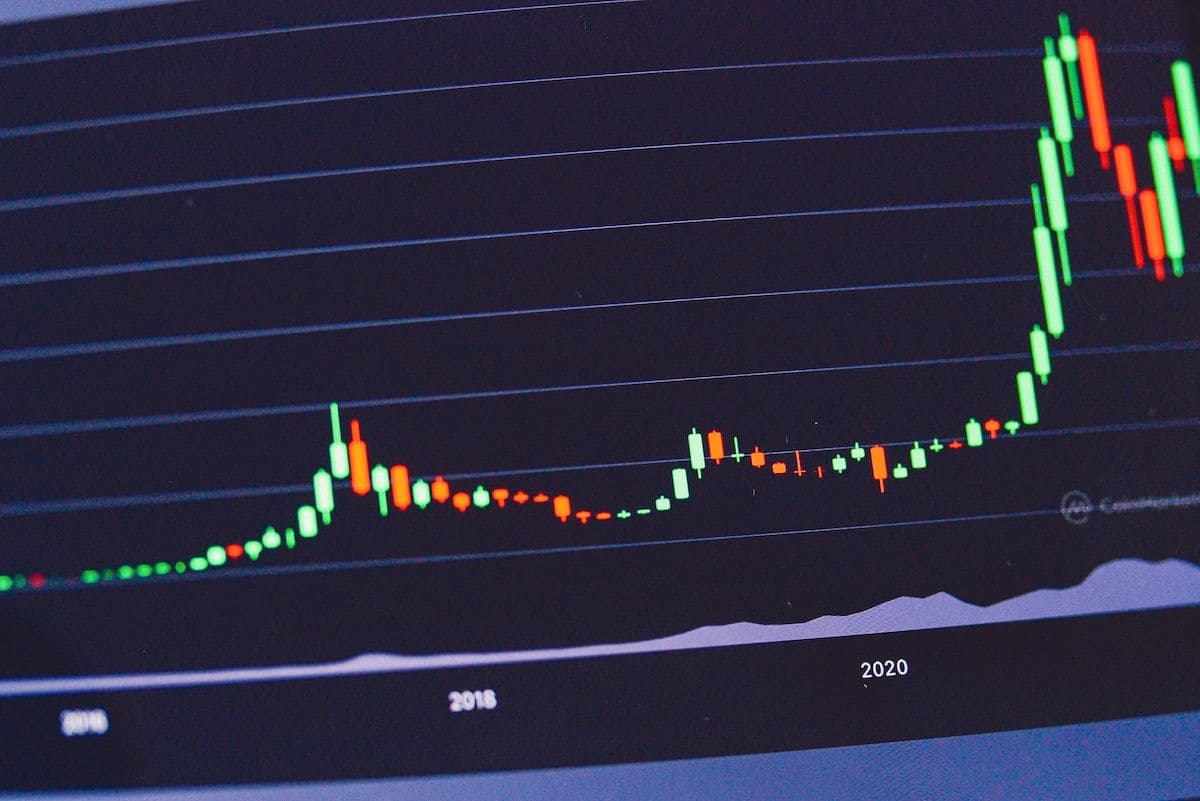
Terra Luna Classic (LUNC): Top 5 Reasons Why LUNC Price Could Reach $1 in 2024
Despite a challenging period, Terra Classic is showing signs of a turnaround. Let's take a look at the reasons why LUNC price could reach $1
June 20, 2023 9:38 AM

The Man behind Terra Luna Do Kwon is Finally Jailed: Why did Terra Crash?
The founder of Terra Luna, who had vanished into thin air, was recently apprehended and jailed. Why did Terra crash? And is Do Kwon in jail?
June 17, 2023 4:36 PM
Terra Luna Price Prediction as Cryptos Consolidates…Upside Soon?
Despite the turbulence in the cryptocurrency market, Terra Luna Classic (LUNC) has shown commendable resilience. Will LUNC price go up?
January 2, 2023 11:48 AM
Terra LUNA Prediction: Will LUNC Crash to 0$ in 2023?
Should LUNA investors expect a LUNC crash to 0 $? Or will Terra come back to life? Let's analyze in this LUNC prediction article.
August 29, 2022 9:47 AM
Terra Luna Classic Staking: Will LUNC Price Move HIGHER?
This article is all about Terra Luna Classic Staking and whether LUNC price can recover and whether it is worth investing in.
May 29, 2022 12:09 PM

How to Claim LUNA on Terra 2 Guide
How to claim LUNA on Terra 2.0? Here's a guide that sums up everything that happened so far and to see who is eligible for the new LUNA.
May 25, 2022 5:45 PM

Terra project is reviving $LUNA! Will LUNA Price increase again?
The Terra community received major news which aims at reviving the Terra project. Will Terra fork into Terra 2.0? What will happen to LUNA?

May 19, 2022 11:06 AM

What Is Tether? Will It Fall Like UST In The Future?
In this article, we will be discussing extensively the likelihood of Tether experiencing a drastic fall in the market like the UST token.
May 17, 2022 3:12 PM
Tether stablecoin crash to follow Terra’s disaster? This is what we know.
Will Tether stablecoin crash? What will happen to Tether company after Terra's collapse? Here's everything we know about Tether USDT.
May 11, 2022 4:10 PM

LUNA Crash to 1$! Proposal to fix UST is out, will LUNA recover soon?
There is a new proposal to fix the Terra mess and bring the peg back to UST. Will LUNA recover? Let's see if things will pick up for Terra.
May 9, 2022 11:11 PM

Stablecoin CRASH! Terra UST crashes amid Bitcoin Bear, what happened?
What is UST crypto and why did it lose its peg? Was it a staged attack or UST couldn't handle the crypto crash? Let's talk about UST crypto!
April 8, 2022 7:14 PM
Terra LUNA Price reaching $150 soon?? THIS Chart confirms it…
Should you BUY LUNA? We at CryptoTicker are giving you a new Terra Luna price prediction to assess the current situation. Check it out.
February 2, 2022 5:35 PM

Terra LUNA Price Prediction – Will $LUNA Continue to SOAR in 2022?
Terra LUNA Price Prediction: Can LUNA prices correct further lower? Or is the correction already over? Let's analyze in this article the Terra Luna price!
January 20, 2022 11:04 AM
What Everyone Should Know About Terra LUNA Crypto in 2022
In this article, we will be looking at the Terra LUNA crypto project to determine if investors can put their money on LUNA.


More from CryptoTicker