
How Bitcoin Halving 2024 Will Impact the Crypto Market?
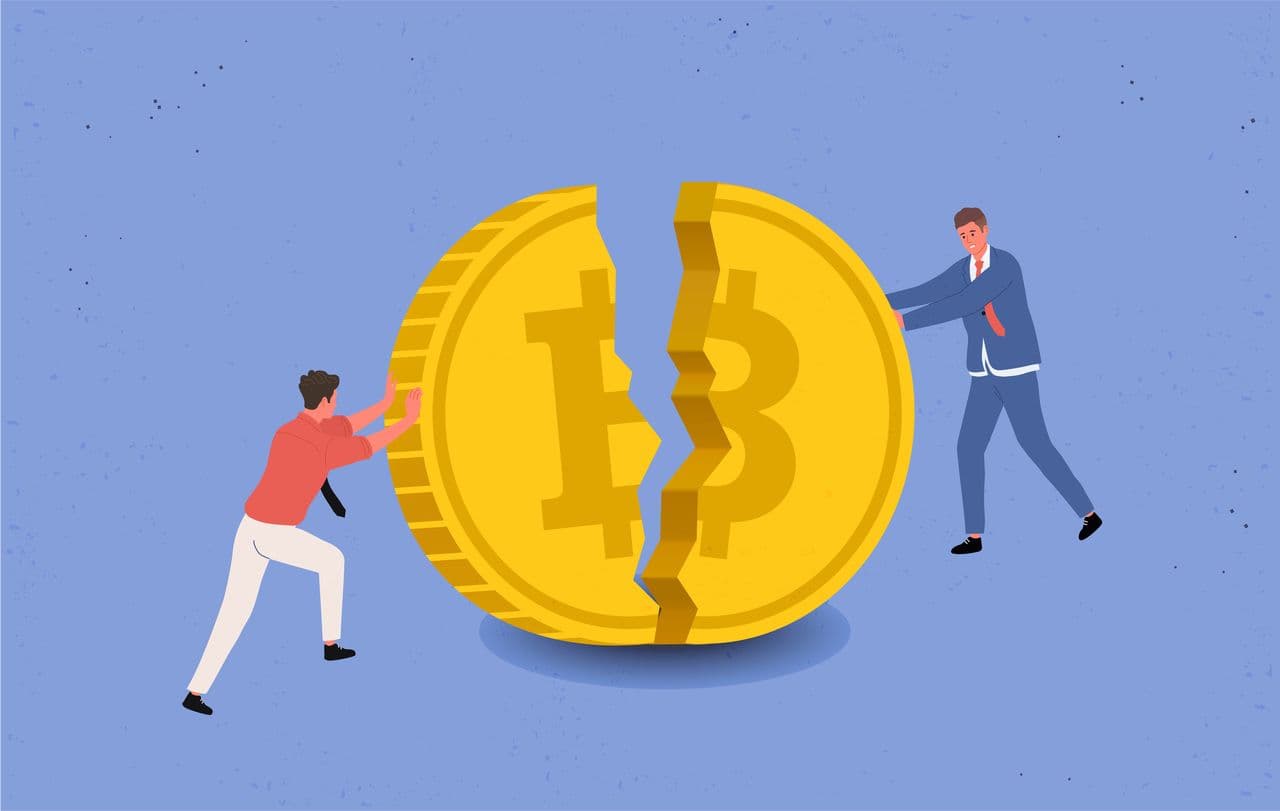
The Bitcoin halving 2024 is expected to take place in mid-April 2024. This event is significant as it will further impact the issuance rate of new Bitcoins

Which topics should we dive deeper into?
Select what genuinely interests you. Your picks feed directly into our editorial planning.
Crypto news that's actually worth your time.
Weekly. 60 seconds. Carefully curated by our editors: no hype, no promo flood, no spam.
The cryptocurrency industry is well acquainted with both price fluctuations and technological advancements, especially evident in the years following 2022. While spot bitcoin ETFs have garnered significant attention and investment, they represent just one instance of the sector's swift evolution and maturation, offering a blueprint for how other crypto assets can achieve comparable success. Concurrently, apart from the ongoing price speculation that captivates investors, there is a continuous stream of rapid technical enhancements taking place. Let's take a look at this Bitcoin halving 2024 article in more detail.
What is Bitcoin halving 2024?

The fourth Bitcoin halving is expected to take place in mid-April 2024, marking a reduction in the block reward from 6.25 Bitcoins to 3.125 Bitcoins per block. This event is significant as it will further impact the issuance rate of new Bitcoins, potentially influencing market dynamics and miner incentives within the Bitcoin network.
The halving represents a fundamental shift in Bitcoin's blockchain protocol aimed at slowing down the creation of new bitcoins. Satoshi Nakamoto, the pseudonymous creator of Bitcoin, designed the cryptocurrency with a finite supply of 21 million tokens from the outset. Nakamoto integrated the halving mechanism directly into Bitcoin's code, which functions by decreasing the pace at which new bitcoins enter circulation over time.
To date, approximately 19 million tokens have been mined and brought into circulation. This planned scarcity is a key aspect of Bitcoin's value proposition, as it contrasts sharply with fiat currencies that can be subject to unlimited issuance by central authorities. The halving events, occurring roughly every four years, play a crucial role in maintaining the scarcity and ensuring a predictable issuance schedule for Bitcoin.
Bitcoin halving 2024: What are the effects on Bitcoin miners?

Bitcoin mining is the vital process through which new bitcoins are created and transactions are validated and recorded on the public ledger known as the blockchain.
Miners engage in solving complex mathematical problems using powerful computers to add transaction blocks to the blockchain. As a reward for their efforts, miners earn bitcoins and transaction fees.
This fundamental process not only generates new bitcoins but also helps secure the network against fraudulent activities. The issuance of new bitcoins decreases over time according to a predetermined schedule, contributing to the scarcity and value of Bitcoin.
The bitcoin halving, which reduces the number of bitcoins miners receive as rewards by 50%, naturally draws significant attention from analysts and the market due to its potential impact on bitcoin's price.
In each of the three previous halving events, the price of bitcoin at the end of the year in which the halving occurred exceeded the price at the time of the halving itself, including the most recent halving during the 2020-2021 bull market.
The impact on investors from the halving event might seem straightforward, especially considering the continued significant inflows into bitcoin ETFs. However, it's also important to consider the effects on miners.
With fewer bitcoins rewarded, miners may choose to invest more in capital equipment to increase their chances of earning rewards. This could potentially lead to greater centralization in the mining space. Additionally, when combined with existing political pressures on the industry, these changes could result in unexpected consequences.
For miners, halving events results in a direct reduction in the immediate rewards for mining new blocks. This reduction can temporarily lower profitability, particularly for miners with higher operational costs.
Despite this initial impact, historical trends show that the price of Bitcoin tends to increase following halving events. This price appreciation has historically allowed miners to regain and even surpass their previous revenue levels, compensating for the reduced block rewards. Therefore, while halving events may pose short-term challenges for miners, the subsequent price increases often mitigate these effects over time.
How did the past Bitcoin Halving events impact the Crypto market?

Historically, Bitcoin has exhibited a consistent pattern of price appreciation following each halving event. For instance, after the 2012 halving, Bitcoin's price surged significantly, climbing from $12 in November 2012 to over $1,000 by November 2013.
Similarly, following the 2016 halving, Bitcoin's price rose from around $650 in July 2016 to approximately $2,500 in July 2017, eventually peaking at a new record high of $19,700 in December 2017.
Following the 2020 halving, Bitcoin's price surged from about $8,000 in May 2020 to an all-time high of over $69,000 in April 2021.
These historical trends suggest that typically, Bitcoin experiences a price increase within a year after each halving event, followed by a period of price consolidation or adjustment. Notably, unlike previous halving cycles, Bitcoin reached a new all-time high in March 2024, roughly a month prior to its upcoming fourth halving. This pattern underscores the potential impact of halving events on Bitcoin's value and market dynamics. You can read more about the Bitcoin price predictions here.
How This Bitcoin Halving 2024 Will Impact the Crypto Market?
The Bitcoin halving has significant economic implications, highlighting its deflationary nature and its impact on how markets behave.
Historically, when Bitcoin undergoes a halving event, it tends to coincide with bullish trends in its price. This trend is mainly because the rate at which new Bitcoins are produced slows down, leading to a decrease in supply while demand either remains stable or increases.
The resulting scarcity often makes Bitcoin more attractive as a digital store of value, similar to precious metals such as gold. Additionally, the anticipation and speculation surrounding halving events typically drive increased market activity and investor interest, which in turn affects price movements.
This cyclical relationship between halving events and market dynamics demonstrates the delicate balance between supply and demand in Bitcoin's economy, solidifying its status as an appealing investment option within the broader financial landscape.
As a Bitcoin halving approaches, the crypto market often becomes highly anticipatory and speculative. Investors engage in activities to account for the upcoming reduction in Bitcoin supply caused by the halving event. This increased activity tends to make the market more volatile, and sometimes leads to a rise in Bitcoin prices before the halving occurs. Essentially, investors are trying to predict and prepare for the impact of the halving on Bitcoin's supply and its potential effect on prices.
As the crypto market continues to evolve and mature, Bitcoin maintains its dominant position across various metrics such as price-per-token, market capitalization, social media presence, investment products, and overall investment volume. Any significant developments or changes related to Bitcoin inevitably impact the sentiment and fund flows for other cryptocurrencies within the market.
For instance, the approval of spot Bitcoin exchange-traded funds (ETFs) triggered a bull market not only for Bitcoin but also for many other cryptocurrencies. The upcoming halving event is poised to similarly affect the crypto sector, both directly and indirectly.
Crypto investors should be prepared to monitor and assess the short-term and long-term effects of this halving event. Understanding and anticipating these impacts will be crucial.
Final Thoughts
Every Bitcoin halving event has historically had a significant impact on the price of Bitcoin, primarily for two reasons.
Firstly, during each halving, the rewards for miners are cut in half. This process is designed to ensure the sustainable growth of the Bitcoin network and to gradually approach the total cap of 21 million tokens. By reducing the rate at which new bitcoins are created, the halving helps control inflation within the Bitcoin ecosystem.
Secondly, the inflation rate of Bitcoin decreases after each halving due to the reduced issuance of new bitcoins. This decrease in supply growth, combined with a potentially increasing demand for Bitcoin, creates a classic supply-demand scenario. With fewer new bitcoins entering the market but a continued or growing interest in acquiring them, the price of Bitcoin tends to rise over time.
Bitcoin halving events impact price dynamics by moderating supply growth, ultimately influencing the supply-demand balance and leading to potential price appreciation as demand outpaces the reduced supply of new bitcoins.
For later? Save this article and find it again in your profile.
More on Bitcoin: All Bitcoin news at a glance
Related articles
- Bitcoin Options Expiry: $6.8 Billion Due on November 27, Hedges Reach Down to $40,000
- Bitcoin ETF Outflows Top $3.4 Billion in November as BlackRock's IBIT Posts Record Withdrawal
- Bitcoin price analysis: BTC breaks the July low, is $50,000 next?
- Bitcoin breaks its $57,700 summer low as a record $950 billion of capital sits at a loss
- Movie2k bitcoin: a Leipzig court floats a 40,000 BTC handover, and the market weighs the selling risk
Which topics should we dive deeper into?
Select what genuinely interests you. Your picks feed directly into our editorial planning.
Crypto news that's actually worth your time.
Weekly. 60 seconds. Carefully curated by our editors: no hype, no promo flood, no spam.

November 20, 2026 5:15 PM

Bitcoin crash live: price below $60,000, liquidations and altcoins in the ticker
Bitcoin has fallen below $60,000 for the first time since July and is dragging the crypto market down. Live: price, liquidations and time stamps, newest entries first.
November 20, 2026 4:47 PM

Bitcoin Falls Below $60,000 for the First Time Since July as $553 Million Is Liquidated in One Hour
Bitcoin fell below $60,000 on Friday for the first time since July. In one hour, $553 million was liquidated, almost all of it longs. The numbers, the reasons and the levels that matter now.
November 20, 2026 5:21 AM

Bitcoin price slides to $61,400, its lowest level since July
Bitcoin fell to around $61,400 overnight into Friday, its lowest level since July. Liquidations of more than $528 million, further ETF outflows and the 9 a.m. options expiry dominate the morning.
November 19, 2026 10:10 AM

Bitcoin price back to $100,000 by New Year's Eve? The odds are brutal
Bitcoin price needs a 57% rally in 42 days to hit $100,000. We checked every six-week window since 2017 and what traders are betting now.
November 17, 2026 8:34 PM

Bitcoin Chart Analysis: Price, Key Levels and the Week Ahead
This week's Bitcoin chart analysis: where the price stands against its 50- and 200-day averages, which levels act as support and resistance and what will decide the week. Updated every Monday with our own charts built from CoinGecko data.
November 17, 2026 11:53 AM

Strategy Is $9 Billion Underwater as MSCI Kicks It Out: Will Saylor Sell Bitcoin?
MSCI drops Strategy from its indexes on November 30 while its Bitcoin stack sits $9 billion under cost. Could Saylor be forced to sell?
November 17, 2026 11:12 AM

Bitcoin price prediction: Wintermute warns of the $50,000s, the level that decides
Analysis: bitcoin has lost its 200-week moving average near $68,000, and market maker Wintermute sees a slide into the $50,000s as possible. We show what happened after nine earlier breaks and which level decides the turn.

November 17, 2026 1:24 AM

Gifting bitcoin for Christmas: whoever knows the seed phrase owns the gift
Bitcoin can be given in small amounts, but the gift is only safe once the recipient alone holds the key. This guide covers four ways to give bitcoin, what each costs, gifts for children and why the price risk belongs in the conversation.
November 15, 2026 11:35 PM

How to buy Bitcoin Cash: fees on €500 range from €1.25 to €7.45
The simplest way to buy Bitcoin Cash in the EU is through an exchange with a MiCA licence. We recalculated the fees at Bitvavo, Kraken and Bitpanda for a €500 purchase and explain what matters with the BCH address format and your wallet.
November 15, 2026 7:22 AM

Bitcoin week ahead: the key dates from November 16 to 22
Bitcoin (BTC) starts the new week at a three-month low. Nvidia results on Tuesday, the Fed minutes on Wednesday, the Anthropic IPO on Thursday and options expiry on Friday: every date from November 16 to 22 with times in CET, plus ETF flows and the levels that will decide the week.
November 14, 2026 11:34 AM

How many bitcoin are there? 20.11 million, with around 2.9 million lost
As of November 14, 2026, around 20.11 million bitcoin have been mined, leaving about 888,000 BTC to go before the cap of just under 21 million. We recalculate the supply from the block height and show how many coins are considered lost.
November 13, 2026 6:01 PM
Bitcoin after the crash: falling knife or buying opportunity? What 13 years of price data show
Bitcoin trades 45 percent below its record high. Buy the dip or a falling knife? Daily prices since 2013 show the first 45 percent drop was almost never the bottom, yet a savings plan started at the record is down only 11.6 percent. What past bear markets say about the bottom.
November 13, 2026 5:48 PM

Bitcoin on Friday the 13th: weekend panic builds as traders eye $60,000
Bitcoin fell to its lowest level since August on Friday the 13th as $1.31 billion in leveraged bets were wiped out. Since 2014, it closed lower on only 3 of 22 such Fridays. What the weekend can bring, the levels down to $60,000 and what long and short positions returned today.
November 13, 2026 9:26 AM

Bitcoin price prediction: shorts pay the deepest funding in three months as puts gain demand
Analysis: after the slide below $70,000, the funding rate on bitcoin perpetuals has turned negative, its lowest in three months. At the same time, professionals are buying puts to hedge ahead of the November 27 expiry. What the derivatives market says about the coming weeks.
November 13, 2026 5:15 AM

Bitcoin price falls below $70,000 as $1.3 billion in leveraged bets are wiped out
Bitcoin dropped below $70,000 overnight into Friday for the first time since August, and more than $1.3 billion in leveraged positions were liquidated within 24 hours. The price levels, the triggers and what investors should consider on leverage, custody and record-keeping.
November 12, 2026 9:22 AM

Bitcoin price prediction: mining gets 7.5 percent easier, what changes for the price
Analysis: fewer machines on the network, a hashprice close to its low for the year and, on Friday evening, the steepest cut in mining difficulty since June. What that means for the bitcoin price prediction and where the key levels lie.
November 11, 2026 5:13 AM

Bitcoin price at $73,700: outflows from BlackRock's IBIT show no sign of stopping
Analysis: Bitcoin trades at around $73,700 on Wednesday morning, just above its 200-day moving average. BlackRock's bitcoin fund IBIT has lost money for seven trading days in a row, $1.66 billion in total, while equities rallied.

November 9, 2026 5:13 AM

Bitcoin price holds $74,800 as the 200-day average at $73,170 faces US inflation data
Analysis: Bitcoin starts the week at around $74,800 after briefly dropping to $73,477 on Sunday evening, its lowest level since August 21. The 200-day moving average sits just below, and US inflation data is due on Tuesday.
November 9, 2026 1:30 AM

Bitcoin halving explained: at block 1,050,000 the reward drops to 1.5625 BTC
The Bitcoin halving cuts the miners' reward every 210,000 blocks, most recently in April 2024 to 3.125 BTC. This explainer works through issuance per epoch up to just under 21 million and shows when the next halving at block 1,050,000 is due.
November 8, 2026 9:21 AM

Bitcoin Price Prediction 2030: Targets From $500,000 to $2.4 Million Put to the Test
Bitcoin (BTC) is supposed to rise to between $500,000 and $2.4 million by 2030. How realistic is that? We compared every price target with the price on the day it was stated, calculated the annual return required from today and set it against past cycles.
November 8, 2026 5:12 AM

Five Losing Weeks in a Row Loom as Bitcoin Price Sits at $75,800
Analysis: Bitcoin trades at $75,800 and looks set to close its fifth straight losing week tonight. Since 2017 that has happened only twice, and the market went lower once and higher once afterwards.
November 7, 2026 10:59 PM

Will Bitcoin Go Back Up? Three Scenarios to Year-End: $70,000, $80,000 or $100,000
Bitcoin (BTC) is 40% below its record, ETFs are bleeding cash and the Fed may hike. What happened since early November, which levels decide between $70,000, $80,000 and $100,000, and what price history says about the 53 days to New Year's Eve.
November 5, 2026 5:36 PM

Bitcoin Crash: Why BTC Fell to $75,568, How Low It Could Go and How to Hedge
Bitcoin (BTC) lost more than $5,000 in under a day as a Nasdaq chip rout wiped out leveraged longs. The reasons, the levels that count now, what 23 earlier 5 percent days show, and how to earn and hedge in this market.
November 4, 2026 8:36 PM
Bitcoin Price Jumps Above $80,000: Why the Market Rose After the Midterms
Bitcoin (BTC) jumped above $80,000 although Trump and the Republicans clearly lost the midterms. Oil, Wall Street and $378 million in short liquidations explain the move. Which levels count now and what could tip the picture.
November 4, 2026 7:42 AM

Bitcoin ETF Outflows Pass $1 Billion: Why Institutions Are Selling After the Midterms
Spot Bitcoin ETFs bled over $1 billion in three sessions as the Binance hack and the midterms spooked institutions. Where does BTC go next?
October 22, 2026 1:26 PM
381 days after the high: why the Bitcoin cycle is running differently this time
Context: the last three cycle highs came 526, 548 and 534 days after the respective halving, and the high of October 2025 fits that series exactly. What no longer fits is the depth of the fall: at 33 percent below the record, Bitcoin stands markedly better on the same cycle day than in the three cycles before, where it was 72 to 80 percent.

More from CryptoTicker