
EU's Crypto-Asset Classification Test: Essential Guide
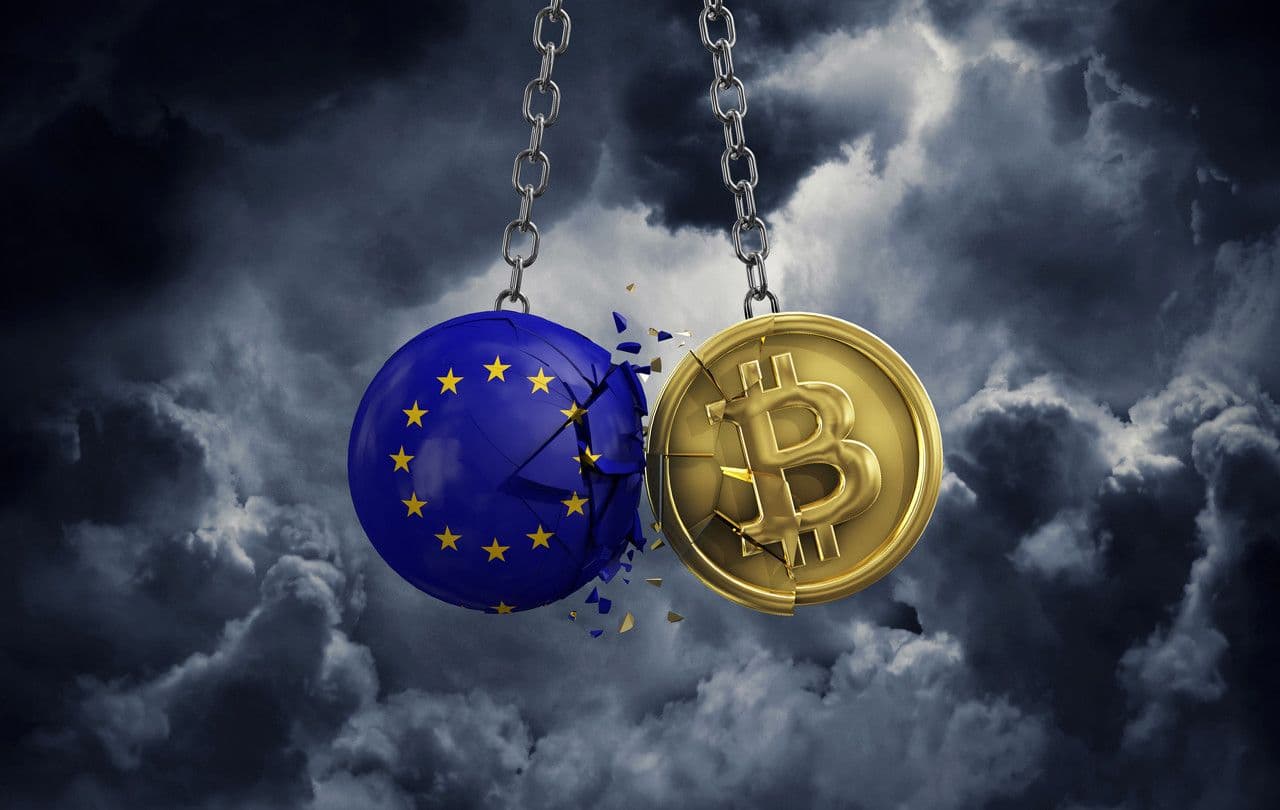
Discover how the EU's new crypto-asset classification test could change the game. Learn the key questions to determine if a token falls under MiCA and understand the impact on the crypto market




Which topics should we dive deeper into?
Select what genuinely interests you. Your picks feed directly into our editorial planning.
Crypto news that's actually worth your time.
Weekly. 60 seconds. Carefully curated by our editors: no hype, no promo flood, no spam.
Discover how the EU's new crypto-asset classification test could change the game. Learn the key questions to determine if a token falls under MiCA and understand the impact on the crypto market.
EU Draft Standardized Test for Crypto-Asset Classification under MiCA: What You Need to Know

The EU authorities have recently published a draft standardized test aimed at determining the classification of crypto-assets under the Markets in Crypto-Assets Regulation (MiCA). This comprehensive test serves as a critical tool for market participants to evaluate whether a token falls under the scope of MiCA and, if so, to further classify it appropriately. In this article, we will explore the key components of this test, providing clarity on how to navigate the regulatory landscape of crypto-assets within the EU.
Understanding the Scope of MiCA
Key Questions to Determine MiCA Applicability
To ascertain whether a token falls under MiCA, the standardized test involves a series of essential questions:
1. Is it a digital representation of a value or of a right?
2. Is it blockchain or DLT-based?
3. Is it issued by an entity within MiCA's scope?- Tokens issued by central banks, for example, are excluded.
4. Is it not fungible?- Non-fungible tokens (NFTs) are generally not covered by MiCA.
5. Is it a financial instrument, deposit, pension product, or another MiCA-excluded product- Certain financial instruments and products are explicitly excluded from MiCA.
These questions provide a foundational framework for determining whether a token is subject to MiCA regulations.
Classifying Crypto-Assets Under MiCA
Once it is established that a token falls under MiCA, the next step is to classify it as either a "normal" crypto-asset, an e-money token (EMT), or an asset-referenced token (ART). The standardized test offers guidance on this classification through additional criteria.
Distinguishing EMTs and ARTs
The test includes specific questions to differentiate between various types of tokens:
1. Does the token reference an existing value or right?
2. Does it reference the value of one official currency (EMT) or multiple currencies, commodities, or crypto-assets (ART)?
Understanding these distinctions is crucial for accurate classification. For example, an e-money token (EMT) references the value of a single official currency, whereas an asset-referenced token (ART) might reference multiple currencies, commodities, or other crypto-assets.
Common Misconceptions in Token Classification
One of the prevalent misunderstandings regarding token classification under MiCA pertains to stablecoins. Many people erroneously believe that the backing of a stablecoin determines whether it qualifies as an EMT or ART. However, the correct criterion is the reference of the token:
- E-money Tokens (EMTs): Qualify if they reference a single fiat currency, regardless of the token's reserves or backing.
- Asset-Referenced Tokens (ARTs): Qualify if they reference multiple currencies, commodities, or crypto-assets.
This distinction highlights the importance of correctly applying the standardized test to avoid misclassification and ensure compliance with MiCA regulations.
Potential Impact on the Crypto Market
The introduction of the EU's draft standardized test for crypto-asset classification under MiCA is poised to significantly impact the crypto market. By providing a clear framework for determining whether and how tokens fall under MiCA, this test will likely enhance regulatory certainty and transparency. This increased clarity can attract more institutional investors who have been hesitant to enter the crypto market due to regulatory ambiguities. As a result, we may see an influx of capital, leading to greater liquidity and potentially stabilizing the market.
Furthermore, the standardized test's emphasis on proper classification of tokens, particularly distinguishing between e-money tokens (EMTs) and asset-referenced tokens (ARTs), could foster greater market integrity. Accurate classification helps prevent regulatory arbitrage and ensures that similar products are subject to the same rules, promoting a level playing field. This can also boost consumer confidence as users are assured that their investments are within a regulated framework, reducing the risk of fraud and market manipulation.
Predictive Analysis: Long-Term Effects
In the long term, the implementation of this standardized test could lead to the consolidation and maturation of the crypto market within the EU. As companies align their offerings with the new regulations, we might witness a reduction in the number of non-compliant tokens and platforms. This regulatory pressure could drive innovation, encouraging the development of new products that meet MiCA standards and cater to institutional and retail investors alike.
Moreover, the clear guidelines provided by the test may prompt other jurisdictions to adopt similar regulatory frameworks, leading to a more harmonized global regulatory environment for crypto-assets. This could facilitate cross-border transactions and interoperability between different regulatory regimes, further integrating the crypto market into the global financial system.
The EU's draft standardized test for crypto-asset classification under MiCA is set to bring about greater regulatory clarity and market stability, attracting institutional investment and fostering innovation. Over time, this could lead to a more mature, consolidated, and globally integrated crypto market.
Conclusion
The draft standardized test published by the EU authorities provides a vital tool for market participants to navigate the complex regulatory environment of crypto-assets under MiCA. By asking the right questions and understanding the nuances of token classification, stakeholders can ensure their tokens are accurately categorized, thereby complying with regulatory requirements. As the crypto-asset market continues to evolve, staying informed and adhering to these standards will be essential for maintaining regulatory compliance and fostering market integrity within the EU.
Related articles
- Binance EU Access at Risk: What MiCA Could Mean for BNB and Crypto Users
- US-EU Trade Tensions Rise as US-China Conflict Cools Down
- Binance Is Leaving the EU on July 1 — What It Means for Your Funds
- 93.56 million dollars out of the Zcash ETF in one week: what changes for ZEC holders in Europe
- Open USD is live but absent from the EU register: what matters now for investors in Europe
Which topics should we dive deeper into?
Select what genuinely interests you. Your picks feed directly into our editorial planning.
Crypto news that's actually worth your time.
Weekly. 60 seconds. Carefully curated by our editors: no hype, no promo flood, no spam.

September 29, 2026 10:33 AM
ESMA puts reverse solicitation on its 2027 watch list: what investors need to know about exchanges without an EU licence
ESMA presented its work programme for 2027 on September 28, 2026 and made reverse solicitation a supervisory priority. What that means if your coins sit with a provider without EU authorisation, and which three steps make sense now.

July 9, 2026 10:12 AM
MiCA Wiped Out 92% of Europe's Crypto Firms: Here's Who Survived and Who's Cashing In
The July 1 deadline turned 3,000+ EU crypto firms into a few hundred. Binance is out, Tether's gone, and a handful of winners now own the market.
July 7, 2025 8:12 PM

BIG Crypto News: EU Approves 14 Stablecoin Issuers Under MiCA
Six months into the MiCA rollout, Europe’s crypto regulatory landscape is taking shape. From authorized stablecoin issuers to licensed crypto service providers, here’s the full July 2025 update.
August 23, 2026 1:26 AM

EU Transaction Ban From August 23: These 14 Crypto Platforms Are Blocked
From August 23, 2026, EU citizens and EU companies may no longer do business with eleven listed crypto platforms, among them HTX, EXMO and BitPapa. Anyone still holding a balance there should withdraw it before the deadline.
July 2, 2026 8:59 PM
Binance Is Out of the EU: How to Move to a MiCA-Regulated Exchange
Binance has left the EU market. Which exchanges hold a MiCA licence, how to verify an authorisation is real, and how to move your holdings across step by step.
September 27, 2026 4:32 AM

Hester Peirce Leaves the SEC: What Now Applies to Your Custody in Germany
The most crypto-friendly voice at the US securities regulator goes on October 2, 2026, and the commission shrinks to two members. For investors in Germany it is still the European rulebook that decides, and there a deadline falls in July 2027.

September 19, 2026 4:34 AM

Monero Jumps 11 Percent to $575: What XMR Holders in Germany Should Check Now
Monero gained 11.19 percent in 24 hours and is outrunning the wider market. For German holders, however, the decisive date is July 10, 2027: from then on, authorized exchanges may no longer carry XMR.
August 23, 2026 7:34 PM

Buying Zcash Despite the EU Trading Ban: What Happens to Your ZEC From July 2027
From July 10, 2027 the EU anti-money-laundering regulation takes anonymity-enhancing crypto-assets out of regulated trading venues. What Article 79 forbids in its actual wording, why your own ZEC holding is not caught by it and what to sort out before then.
August 20, 2026 10:24 PM

MiCA Review: What the European Commission Could Change About the EU Crypto Rules
The European Commission has reopened MiCA for review after barely two years and is asking 86 questions covering the stablecoin interest ban, staking, lending and DeFi. Brussels is taking responses until September 30, 2026.
August 19, 2026 10:24 AM

Privacy Coins and EU Anti-Money-Laundering Law: An Assessment of the Ban From July 2027
Article 79 of the EU anti-money-laundering regulation bars crypto service providers from keeping accounts that obscure transactions, and it names anonymity-enhancing cryptocurrencies explicitly. This assessment separates the documented wording, including the 10 July 2027 application date, from what follows for individual coins.
August 19, 2026 1:22 AM

HTX on the EU Sanctions List: Transaction Ban Applies from August 23, 2026
The EU has added HTX to Annex XLV of the Russia sanctions regulation; from August 23, 2026, transactions with the platform are prohibited. Anyone still holding a balance there can withdraw freely until then, and afterwards only with authorisation from the Deutsche Bundesbank.

June 30, 2026 11:20 PM

How to Switch from Binance to a MiCA Regulated Crypto Exchange
Binance is winding down EU services after missing the MiCA deadline. Here's why it's happening and how to move your funds to a regulated platform safely.

November 15, 2025 11:00 PM

OKX Transfer Days: Earn Up to €1,000 in Bitcoin by Moving Your Assets to OKX
OKX launches “Transfer Days” — a limited-time promotion where users can earn up to €1,000 in bitcoin by transferring funds or crypto. Here’s how to join.
March 13, 2025 11:00 PM
OKX Event in Malta: A New Contender for Crypto in Europe
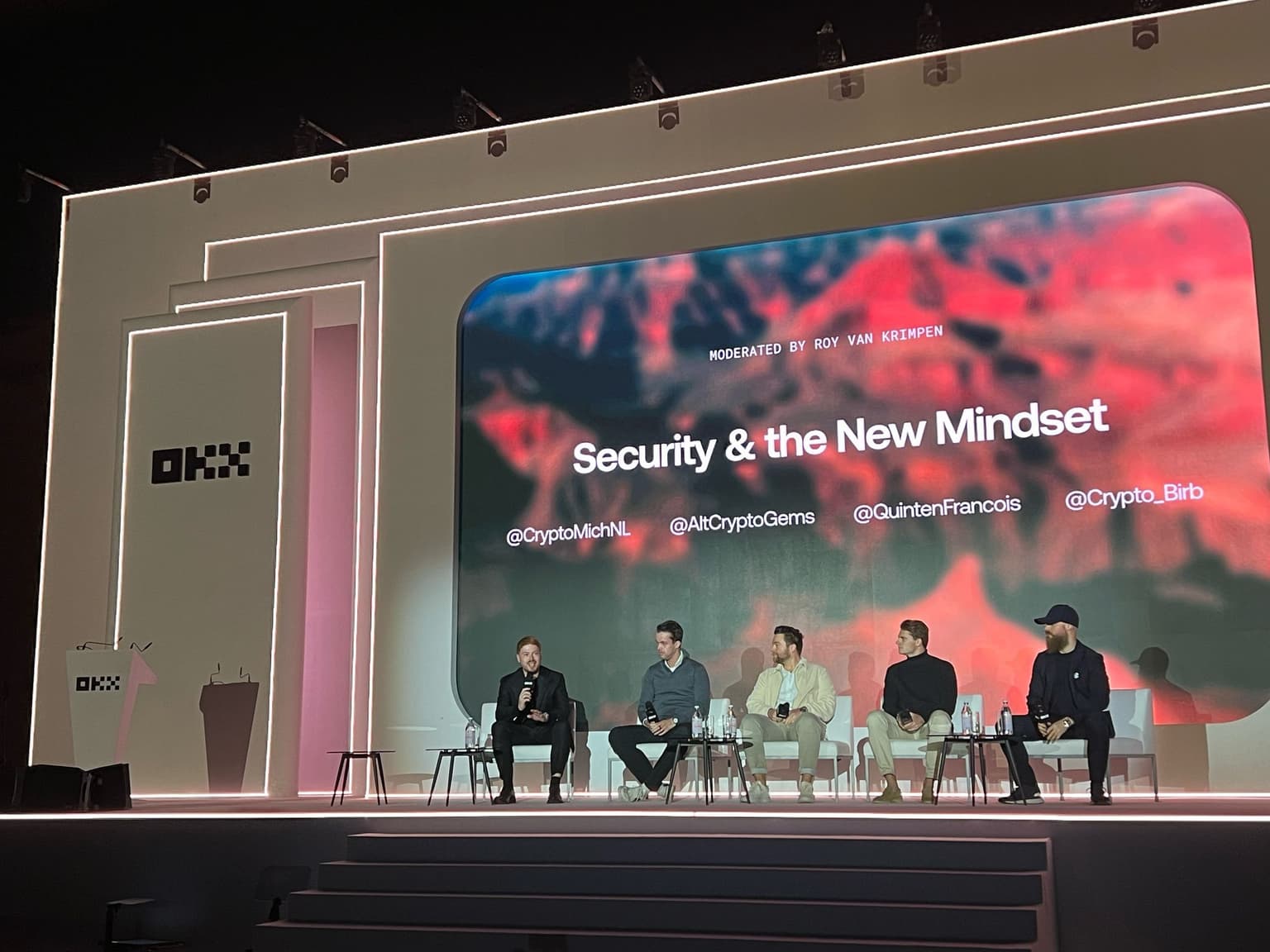
OKX celebrated a major milestone at Fort Manoel in Malta, announcing its full MiCA and MIFID2 licenses and plans to expand compliant crypto trading across Europe.
February 6, 2025 8:00 AM
BlackRock Bitcoin ETP SOON in Europe - What is that about?
BlackRock is expanding its cryptocurrency offerings by launching a Bitcoin Exchange-Traded Product in Europe. But what is it aiming to? And what is so particular about a BlackRock Bitcoin ETP?
January 7, 2025 7:45 AM
Breaking News: FTX is Acquired and Investors to get refunded...Here's How
Backpack Exchange, a fully regulated global cryptocurrency exchange, today announced the successful acquisition of FTX EU, the MiFID II-licensed former European arm of FTX.
May 19, 2024 1:23 PM
Will Tether (USDT) Get Delisted In Europe?
With growing concerns revolving around the reliability and compliance regulations of stablecoins, some crypto exchanges opt to delist some of them. Will this be the case for Tether in Europe?
October 13, 2026 10:37 PM

ESMA will supervise only 10 to 15 of 360 crypto firms: your exchange stays with its home regulator
On October 9, 2026 EU finance ministers agreed to place only the largest crypto service providers under direct ESMA supervision. For the vast majority of the roughly 360 authorised firms, the national authority stays in charge, in Germany BaFin.
October 13, 2026 7:19 AM

Financial Stability Board on 300 billion dollars in stablecoins: “untested in severe stress and insolvency”
The Financial Stability Board handed the G20 a status report on stablecoins on 12 October: a market worth 300 billion dollars, 99 percent of it pegged to the US dollar, and a supervisory structure that remains untested in severe stress and insolvency. Here is what the gaps it describes mean for holders in Europe, where MiCA already closes them and which ones stay open.
October 11, 2026 4:28 AM

Coinbase Card Without a Transaction Fee: What Investors Need to Know About Conversion and the Holding Period
Coinbase charges no transaction fee for paying with the card. It gets expensive in two places that appear on no receipt: the conversion of the balance and the holding period.
October 9, 2026 10:40 PM

Winklevoss Files for a Zcash ETF at 0.25 Percent, a Tenth of the Grayscale Fee
Winklevoss Asset Services applied to the SEC for a spot ETF on Zcash on October 6, 2026, planned for the Nasdaq under the ticker WINK and with a 0.25 percent fee. For portfolios in Germany the fund stays blocked, and the decisive date sits in EU anti money laundering law.
October 9, 2026 7:26 PM
Cryptomus and Heleket Hit the UK Sanctions List: What Matters Now
The United Kingdom sanctioned Cryptomus, Heleket and TokenSpot on October 8, 2026. For investors in Germany, only the EU list is binding, and a severed payment route reaches you without it.
October 8, 2026 10:14 PM

ESMA stablecoin deadline of January 8, 2027: what you can do with USDT now
ESMA decided on October 8, 2026 that authorised EU platforms should no longer offer services for stablecoins that do not comply with MiCA. For USDT, only selling, swapping, transferring and withdrawing remain until January 8, 2027.
October 7, 2026 7:18 AM

Certificate, Bitcoin ETN or the coin itself: what each route means for tax and custody
A Bitcoin certificate, an ETN and the coin itself all lead to the same price, but to three different tax treatments and three different risks. The comparison shows which route fits your portfolio and why December 31, 2026 becomes the cut-off date.
October 6, 2026 10:36 PM

Buying Monero in Germany: six major exchanges no longer list XMR
On October 5, 2026, of eight trading venues checked only two still carry an XMR pair, and neither is open to German customers. MiCA Article 76(3) explains the delistings, and Article 79 of the anti-money-laundering regulation sets the tougher limit from July 10, 2027.
October 6, 2026 10:32 AM

FinCEN drops the reporting duty for withdrawals to private wallets: what matters now for European investors
The US anti-money-laundering agency FinCEN withdrew two proposals on October 5, 2026 covering the reporting duty for self-custodied wallets and for mixers. In the EU the development runs in exactly the opposite direction: proof of ownership from 1,000 euros today, a ban on anonymous accounts from July 2027.
October 3, 2026 7:15 PM

Shiba Inu today: one ETP in Europe, 18 names on a US fund list, and what matters now in Germany
Shiba Inu has reached three regulated venues since this summer: a certificate in Sweden, a fund list on NYSE Arca and a Japanese approval. For a German brokerage account that means less than the headlines suggest, and precisely that gap is today's real story.
More from CryptoTicker