
Satoshi's bitcoin: why 1.1 million coins could be frozen
Around 1.1 million bitcoin, worth a good $91 billion today, are attributed to Bitcoin's inventor Satoshi Nakamoto. A draft from Bitcoin developers would freeze them before a quantum computer can steal them. What lies behind BIP-361, what argues against it, and which addresses of yours would also be affected.



Which topics should we dive deeper into?
Select what genuinely interests you. Your picks feed directly into our editorial planning.
Crypto news that's actually worth your time.
Weekly. 60 seconds. Carefully curated by our editors: no hype, no promo flood, no spam.
Around 1.1 million bitcoin are attributed to Bitcoin's inventor, Satoshi Nakamoto. At Sunday morning's price of $83,045 that is a good $91 billion, or roughly 81.5 billion euros, spread across early addresses from the network's first year. The coins are regarded as untouched. They sit nonetheless at the centre of one of the fiercest debates among Bitcoin developers: a draft numbered BIP-361 would freeze them before a quantum computer can one day steal them.
The question of what happens if Satoshi returns is as old as Bitcoin itself. New is the question of whether his coins could be moved at all once the network hardens itself against quantum attacks. There is a practical lesson in that for your own addresses too.
How many bitcoin belong to Satoshi Nakamoto?
Nobody knows exactly, because Satoshi never disclosed his addresses. The usual figure goes back to the computer scientist Sergio Demian Lerner. In 2013 he found a pattern in the early blocks of the Bitcoin blockchain that points to a single, very early miner. Later analyses of this so-called Patoshi pattern arrive at around 1.1 million bitcoin. That is about 5.5 percent of the 20.10 million bitcoin in circulation today.
Satoshi published the white paper on October 31, 2008 and started the network on January 3, 2009. He withdrew in the spring of 2011. The coins attributed to him sit in an early address format called pay-to-public-key, P2PK for short, and it is precisely that format which makes them a special case today.
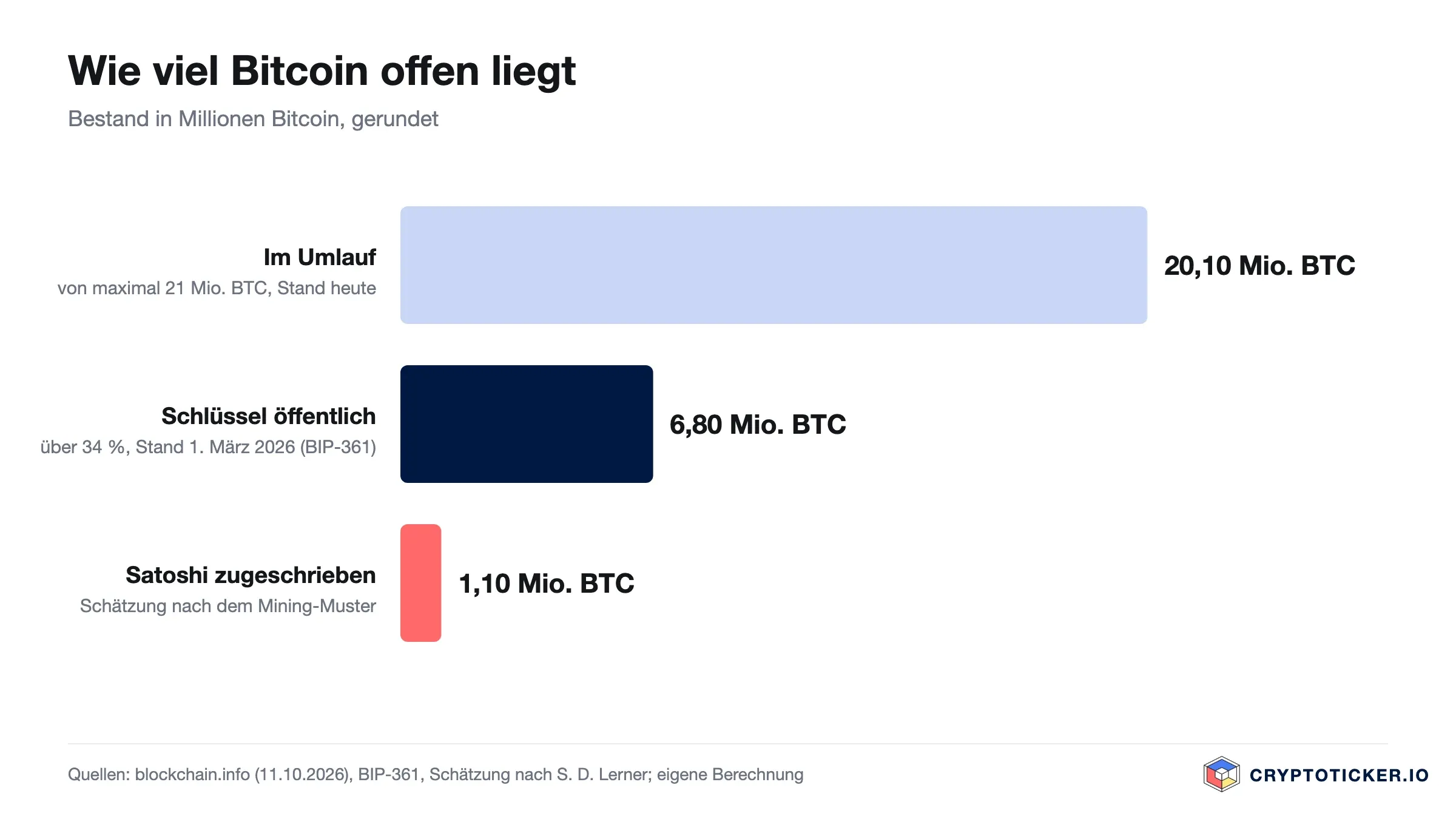
The chart puts the scale in order. Satoshi's estimated holding is only a part of what lies exposed: according to the figures in the BIP-361 draft, more than 34 percent of all bitcoin had a public key visible on the blockchain on March 1, 2026.
 Buying bitcoin: providers compared
Why quantum computers endanger Satoshi's bitcoin
Bitcoin protects balances with digital signatures. Whoever knows the private key can spend, and today's computers cannot work back from the public key to the private one. A sufficiently large quantum computer could do exactly that. When that point arrives is open. The authors of BIP-361 point to roadmaps that consider such a machine possible as early as 2027 to 2030, while other experts reckon on considerably more time.
Only coins whose public key is already visible are at risk. At the P2PK addresses from Satoshi's day it has stood in the blockchain from the outset. With more modern formats it appears only once an address has been spent from. The draft is explicit on this point: should quantum computers continue their development, the keys of all P2PK outputs would be found with near certainty and the balances stolen.
What BIP-361 proposes: freezing instead of letting them be stolen
BIP-361 carries the title "Post Quantum Migration and Legacy Signature Sunset" and has stood since February 2026 as a draft in the official register of Bitcoin improvement proposals. Its lead author is the developer Jameson Lopp. The plan presupposes that Bitcoin first gains a quantum-safe address type, for instance through BIP-360, also at draft stage. After that it would proceed in two stages:
- Phase A: around three years after activation, 160,000 blocks later to be precise, the network stops accepting payments to vulnerable addresses. New money then flows only into quantum-safe formats.
- Phase B: five years after activation, on a date announced long in advance, spending with the old signatures is possible only through a quantum-safe rescue procedure.
That rescue procedure relies on the true owner knowing something an attacker does not. Anyone using a modern wallet with a seed phrase can demonstrate knowledge of the original key, which an attacker does not hold. For P2PK addresses that advantage does not exist, as the authors themselves concede. On today's reading, Satoshi's coins would therefore stay locked permanently, unless a further proposal creates a separate, slow spending route for such legacy holdings.
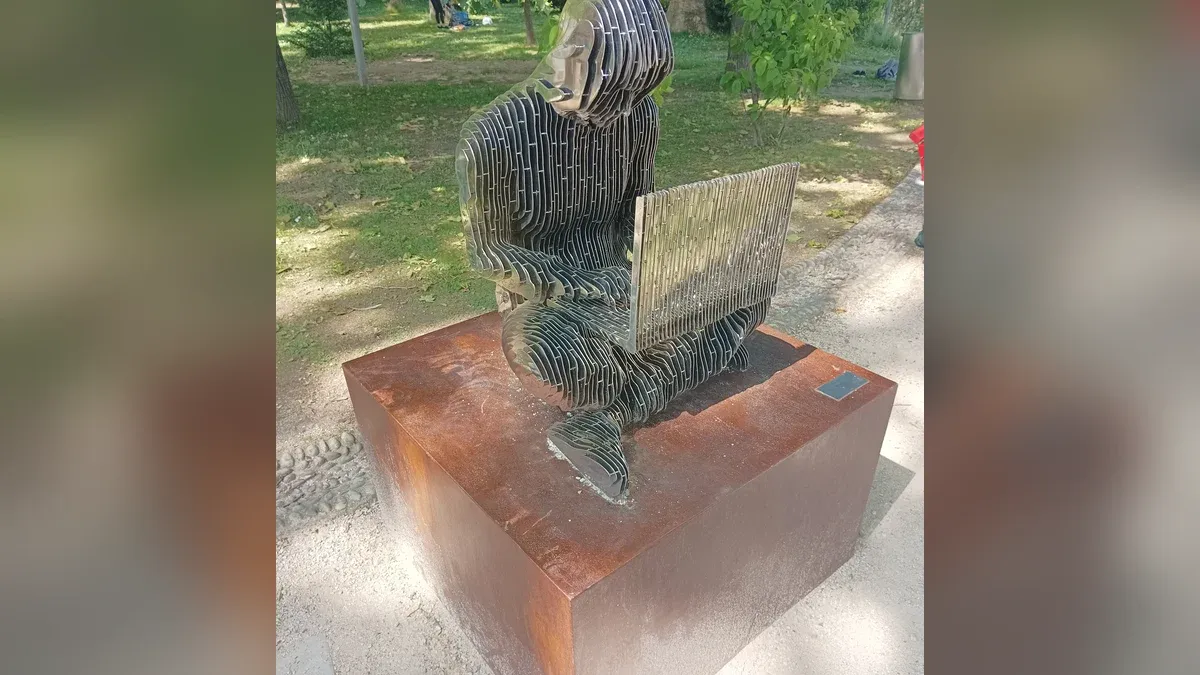
The authors invoke Satoshi himself. He wrote in the Bitcoin forum in 2010 that lost coins only make everyone else's coins slightly more valuable, and that one could regard them as a donation to all. Frozen coins tighten supply; stolen ones would enlarge it at a stroke.
 Hardware wallets compared
The case against freezing
The resistance is fundamental. Bitcoin promises that nobody can lock up someone else's coins, and that is exactly what BIP-361 would do, albeit after years of notice. Critics hold it to be a breach of the property promise, no matter whose coins they are. Even Lopp does not like his own proposal. In April he called it a crude contingency plan and said, according to CoinDesk: "I wrote it because I like the alternative even less."
This is not decided in any committee. A soft fork needs broad assent from miners, node operators, wallets and exchanges. Both drafts are far from that; BIP-360 and BIP-361 carry the status "Draft" to this day.
What a return by Satoshi would mean for the bitcoin price
Were Satoshi's coins to move before such a cut-off date, the market would at first not know who was behind it: Satoshi himself, an heir, or an attacker with a quantum computer. The mere possibility that a holding of a good $91 billion might come to market would be likely to set off considerable pressure, without a single coin being sold. A definitive freeze would take that risk out of the calculation. Supporters of a US bill that would lock up state-held bitcoin for 20 years argue along similar lines: what cannot be sold does not weigh on the price.
Which of your own bitcoin addresses would be affected
For the vast majority of investors in Germany this is no acute danger today. It is, though, a good occasion to look at your own addresses:
- Coins on an exchange: here the provider decides which address formats it holds them in. A later move to quantum-safe addresses would be up to them.
- Your own wallet with a seed phrase: modern wallets generate a new address for every payment. With addresses beginning "1", "3" or "bc1q", the public key lies exposed only once you have spent from them. Not reusing addresses is therefore a simple rule of protection.
- Taproot addresses with "bc1p": here a key is visible from the outset, and BIP-361 counts them explicitly among the vulnerable formats. That is no reason for haste today, but it is a point on the list for a later move.
- Very old wallets: anyone holding coins from the earliest years should check which format they sit in. A move to a new address of your own is not a sale and triggers no tax in Germany.
If you hold your own coins, the hardware wallet comparison lists devices that manage a seed phrase and fresh addresses cleanly. If you are only getting started, the comparison for buying bitcoin lists vetted providers.
Frequently asked questions about Satoshi's bitcoin and BIP-361
Transparency note: This article was produced with the assistance of artificial intelligence and reviewed by our editorial team before publication. All figures and claims were checked against the primary sources linked in the text.
Related articles
- Should Satoshi's Bitcoin Be Frozen? CZ's Quantum Warning Splits the Industry
- Bitcoin's Quantum Problem: Why 6.7 Million Coins Could Be Frozen Forever
- Who is Satoshi Nakamoto?
- Is Len Sassaman Satoshi Nakamoto? HBO Documentary Might Answer That TOMORROW
- Jeffrey Epstein and the Bitcoin Conspiracy: Hidden Ties to the Digital Currency Initiative
Which topics should we dive deeper into?
Select what genuinely interests you. Your picks feed directly into our editorial planning.
Crypto news that's actually worth your time.
Weekly. 60 seconds. Carefully curated by our editors: no hype, no promo flood, no spam.

February 24, 2024 5:11 PM
Who is Satoshi Nakamoto?: Satoshi’s Emails Unveil Early Bitcoin Secrets
Loads of juicy details about the beginnings of cryptocurrency just came to light. Let's take a look at this Satoshi Nakamoto Emails

April 1, 2025 12:55 PM
Satoshi Nakamoto Reveals His Identity – And It’s Jeff Bezos?!
After years of speculation, the mystery is finally solved—Bitcoin’s creator, Satoshi Nakamoto, has stepped forward, and it turns out to be none other than Jeff Bezos!
October 6, 2024 7:28 AM
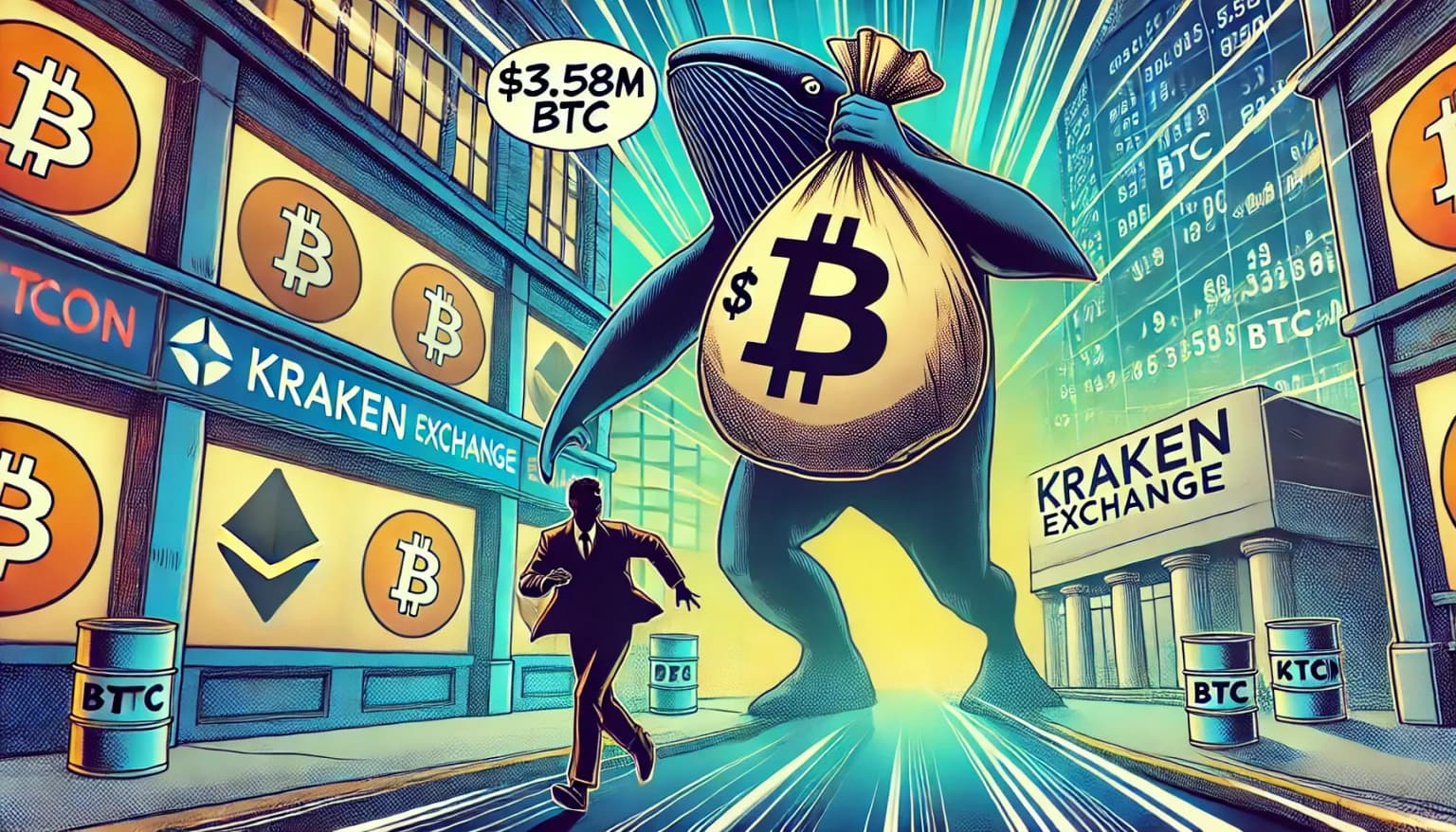
Early Bitcoin Whale Moves More 2009 Mined BTC: Arkham
A mysterious Bitcoin whale just moved $3.58 million worth of BTC to the Kraken exchange, according to Arkham Intelligence. What's behind this big move?
August 29, 2024 11:34 AM

Stacks Layer-2 Network Kicks Off Nakamoto Upgrade
Stacks, the Bitcoin layer-2 network, has started the Satoshi upgrade, which separates its block production schedule from Bitcoin's.
January 9, 2024 5:59 AM
27 Bitcoins Sent to Satoshi Nakamoto Address – What’s Behind This Cryptic Move?
The transfer of 27 Bitcoins to the wallet associated with Bitcoin's creator, Satoshi Nakamoto, has caught attention.
May 22, 2023 3:20 PM
Bitcoin Pizza Day: Celebrating a Revolutionary Transaction
This article delves into the origins of Bitcoin Pizza Day, its significance, and its impact on the cryptocurrency landscape.

January 3, 2023 6:42 PM
Bitcoin turns 14 years old: Happy Birthday Bitcoin! Who’s Celebtrating?
What is a Bitcoin Birthday? Who's celebrating it? In this article, we go over a quick brief on Bitcoin and its start which marks a Bitcoin Birthday.
December 3, 2019 8:36 PM
The dispute between Craig Wright and Vitalik Buterin escalates
On 12 April, Craig Wright, Bitcoin SV’s father, sent a lawyer’s letter to Vitalik Buterin threatening him with consequences for not receiving a public apology. The history Craig Wright has been posing as bitcoin finder Satoshi Nakamoto since 2016. So […]
April 21, 2019 4:16 PM
Quantum Computer: The End of Bitcoin?
For decades, physicists have been working on quantum computers. These computers, based on quantum mechanical principles, should be far superior to classic binary computers in certain fields of application. In 1994, years before the first experimental quantum computers existed, Peter […]
October 9, 2024 4:51 PM
Peter Todd Denies Being Satoshi Before HBO Doc Release
HBO's "Money Electric" hints that Bitcoin developer Peter Todd might be Satoshi Nakamoto. Todd denied it.
October 5, 2024 2:48 PM
HBO Joins the Hunt for Bitcoin's Satoshi Nakamoto – Will They Succeed?
A new documentary claims to reveal the mysterious person behind Bitcoin's creation. Could the true identity of its creator finally be uncovered?
October 31, 2023 7:13 PM
Celebrating 15 Years of Bitcoin: A Revolutionary Journey
Authored by the pseudonym Satoshi Nakamoto, the white paper titled "Bitcoin: A Peer-to-Peer Electronic Cash System.
April 8, 2023 7:11 AM
Is Steve Jobs Satoshi Nakamoto? The Tale UNVEILS!
Steve Jobs may have been the mysterious creator of Bitcoin. How are people speculating about that? Is Steve Jobs Satoshi Nakamoto?
December 6, 2018 6:30 PM
The Cryptocurrency Timeline
A decade ago, Bitcoin’s secret founder Satoshi Nakamoto promulgated a paper called “Bitcoin: A Peer-to-Peer Electronic Cash System.” For those who haven’t been following crypto world closely, below is the timeline of the history of the crypto world so far. […]

November 13, 2018 11:44 AM

Japan and Crypto: A unique case
Japan, the spiritual home of Cryptocurrency where Bitcoin.com is headquartered, the crypto exchange Mt. Gox was established, the mysterious creator of Bitcoin Satoshi Nakamoto’s name comes from, and where cryptocurrencies are legal. Yet, all the development made in the land […]

August 7, 2018 5:25 PM
Will Blockchain Do to Banks What the Internet did to Conventional Media?
Marking the ninth anniversary of Satoshi Nakamoto’s revolutionary white paper, the CBOE Global Markets and the CME Group decided to introduce Bitcoin to their futures trading platform. This unprecedented move by some of the largest financial institutions in the world […]
March 31, 2026 5:13 PM
Quantum Threat to Bitcoin? Google Research Sparks Urgent Crypto Security Debate
Google’s quantum breakthrough raises fears for Bitcoin security. Can crypto survive quantum attacks—or is an upgrade urgent?

September 5, 2026 10:11 PM
Bitcoin and the Quantum Computer: Which Addresses Already Expose Their Keys
The G7 called on September 3, 2026 for the post-quantum migration to start immediately, and the first European milestone expires at the end of this year. What that means for your Bitcoin, which addresses expose their public key, and how to check your own in a few minutes.
October 10, 2026 3:39 PM
Will AI Break Bitcoin? Vitalik Says Prepare for "Bunker Mode", Hoskinson Calls It Numerology
Vitalik Buterin says AI could crack crypto's encryption within 2 years. Charles Hoskinson says that is nonsense. Who is right, and what should you do?
July 29, 2024 9:15 AM

Bitcoin Price Prediction: Can BTC Price Record A New All Time High Before End Of July?
This week kicked off with renewed energy across the crypto market, fueled with optimism. But would it be enough for BTC price to reach a new all-time high before July ends?
February 18, 2026 9:19 PM
Why Bitcoin is Crashing: The Quantum Threat and the Ghost of Lost Coins
Bitcoin underperforms in 2026 as markets weigh the return of 4M lost coins against quantum computing threats. Discover why institutional demand isn't enough.
September 12, 2026 4:41 AM

Ethereum and Quantum Computers: Are Your ETH Affected?
The Ethereum Foundation wants Ethereum to be quantum-resistant by December 2029. What that means for your ETH, which keys are exposed, and what you can check today.

June 28, 2026 10:44 AM
Bitcoin Price Prediction: Why Some Analysts Warn of a Crash to $16K
A dark Bitcoin narrative is spreading: quantum computing and AI could "kill" BTC, with some bears eyeing $16K. Here's the case — and why it may be overblown.
November 19, 2025 5:44 PM
BTC Price Falls Under $90K: Vitalik’s Quantum Warning Intensifies Sell-Off
Bitcoin broke below $90K again as fear spikes. New warnings from Vitalik Buterin about quantum computers breaking BTC and ETH add fresh panic.

October 26, 2020 6:56 PM
Whale Moves Over 88,000 Bitcoin In One Single Transaction ($1.15 Billion)
We just noticed a massive Bitcoin transaction of 88,857 BTC, worth around $1.15 billion at current prices. The transaction was split in two, 43,185 to one and 45,671 to the second address. Both addresses seem to be new and […]
September 30, 2019 11:24 PM

Google’s ‘Quantum Supremacy’ and what it means for the Crypto Industry
Google claimed that it achieved its long-proposed goal of “quantum supremacy”. This seems to be what a research paper published by the Financial Times has claimed. This is a major milestone in quantum computing and signals a new era in […]
October 8, 2026 4:42 PM
Bitcoin and Ether Under AI Pressure: “Bunker Mode” for Holdings on Already Signed Addresses
A researcher at the Ethereum Foundation considers a break of the ECDSA signature by AI possible within months in the worst case, and advises large holders to move to addresses that have never been used. Vitalik Buterin disagrees on the pace, and Coinbase's chief cryptographer sees no evidence.
More from CryptoTicker