








RaveDAO in October 2026: after the rollercoaster
RAVE is trading at around $0.20 – and that number tells only half the story. In April 2026, the token multiplied within a week from under a dollar to double-digit dollar amounts, triggered by the launch of on-chain ticketing infrastructure on Base; it then gave back almost all of those gains. Anyone looking at the chart today sees a hype cycle compressed into fast-forward – despite a genuinely operating business behind it.
Real events, a speculative token
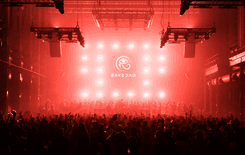
RaveDAO isn't a pure paper project: the Web3 nightlife collective, launched in 2023, has staged events in Dubai, Europe and Asia and reports over 100,000 cumulative attendees; the token is used for tickets, VIP access and governance votes. The problem lies in the gap between the business and the valuation: event revenue is low-margin and seasonal, while the token trades like a memecoin. RAVE therefore remains a highly volatile specialty asset, where price action has so far said more about market mechanics than about fundamentals.
The crypto market right now
Total value and sentiment of the market from our own charts. While the page is open, the values refresh at the pace of their source.
What actually moves the RaveDAO price
In the short term, RAVE is driven almost entirely by momentum and liquidity – the spring 2026 spike and subsequent collapse demonstrated that vividly. Fundamentally, the token links a real events business with on-chain ticketing: if tickets and VIP services are actually settled through the token, that creates recurring demand. What matters, therefore, is how much of the reported ticketing volume runs durably on-chain – and how much of that translates into token demand rather than immediate sell-off.
The metrics we watch on RaveDAO
- On-chain ticketing volume: recurring, verifiable ticket sales are the project's only robust demand metric.
- Event calendar and attendance: real events are the foundation – their frequency and size set the ceiling on potential.
- Liquidity depth: the 2026 spike was also a product of thin order books; how that develops determines how sharp future swings can be.
- Token usage per event: what share of attendees actually pay in RAVE rather than conventional payment methods.
Why a real business doesn't automatically carry the token
An events business is labour-intensive, low-margin and local – it doesn't scale like software. Even if RaveDAO delivers operationally, that doesn't force value into the token: tickets can be sold without the price going up. The April 2026 price explosion was a product of thin markets, not a jump in revenue – and it faded just as quickly.
Where this forecast could go wrong
Our scenarios assume an ongoing but limited events business and persistently speculative price dynamics. Broad adoption of the ticketing stack by outside organisers would break the thesis to the upside; a team pullback or drying liquidity after the hype would undercut even the defensive base case.