
Digital Euro Holding Limit: What the Planned Cap Means for Your Account and Your Crypto
The digital euro is getting a cap, and the trilogue has yet to settle who fixes it and how high it goes. What the draft means for your current account, for euro stablecoins and for your crypto holdings.





Which topics should we dive deeper into?
Select what genuinely interests you. Your picks feed directly into our editorial planning.
Crypto news that's actually worth your time.
Weekly. 60 seconds. Carefully curated by our editors: no hype, no promo flood, no spam.
As things stand, the digital euro will not be an unlimited account at the European Central Bank. The draft provides for a cap on the balance you are allowed to hold in digital euros, and this holding limit is exactly where the legislative process is currently stuck. The figures under discussion range from a few hundred to a few thousand euros per person, the balance would not pay interest, and anything above the cap is meant to flow on automatically to your ordinary bank account. For you as an investor, that means one thing: the digital euro will be a means of payment rather than an investment, and it competes with cards, wallet apps and euro stablecoins far more than with Bitcoin.
None of this is settled yet. On July 9, 2026 the European Parliament merely cleared its negotiating mandate, by 416 votes to 169, with 22 abstentions. Since then Parliament, Council and Commission have been negotiating the final text in what is known as the trilogue. This article sorts out what the text already fixes, what remains open, and which of it actually touches your account, your payments and your crypto holdings.
Digital Euro Explained: What Central Bank Digital Money Is
Central bank digital money is electronic money issued directly by the central bank rather than by a commercial bank. That is the decisive difference from the balance sitting in your current account today: that balance is a claim against your bank. If the bank fails, statutory deposit protection covers up to 100,000 euros. A digital euro, by contrast, would be a claim against the Eurosystem itself, and therefore as failure-proof as a banknote in your pocket.
The ECB stresses that the digital euro is meant to complement cash, not replace it. Its official answers on the project state explicitly that it would complement cash but not replace it. In practice you would use it through an app provided by your bank or by another payment service provider, in shops, online and between private individuals. Two variants are planned: an online function and an offline function that also works without an internet connection.
The political driver behind it is strategic rather than technical. A large share of European card payments runs through providers based outside the EU. The digital euro is meant to create a European alternative that still works if access to foreign payment infrastructure becomes harder for political reasons.
How High Will the Digital Euro Holding Limit Be?
The holding limit is the maximum amount of digital euros a single person may hold at any one time. To this day no binding figure appears in the legal text, and that is deliberate rather than an oversight: the number is to be set after the law is passed, so that it remains adjustable later on.
Two solid reference points offer some orientation. The ECB itself has modelled hypothetical caps of up to 3,000 euros per person in its technical analyses. And in the political process, according to netzpolitik.org, figures between 500 and 3,000 digital euros per person are circulating. The range is wide because it has to balance two opposing goals.
On one side, the digital euro is supposed to work for everyday life. Anyone wanting to pay for the weekly shop, a tank of fuel and the occasional larger piece of furniture will hit the ceiling quickly with a balance of 500 euros. On the other side stands the banks' fear of deposit outflows: if millions of customers shift several thousand euros each from their current accounts into failure-proof central bank money at the same time, banks lose precisely the cheap funding they use to issue loans. In a banking crisis, a high cap could encourage a digital version of the bank run, because moving the money costs no more than a few taps.
For your own planning, then, the realistic assumption is this: the digital euro will be a payment account on the scale of a well-filled wallet, not an overnight deposit account at the central bank.
Who Sets the Limit: Commission, Council or ECB?
The question sounds like procedural detail and is nonetheless the hardest point of contention in the entire dossier, because whoever sets the cap effectively determines how large the digital euro is allowed to become.
According to law firm Freshfields' analysis of the negotiating mandates, the positions line up as follows. Parliament wants the European Commission to set the cap by delegated act, meaning an act the Commission adopts on the basis of an ECB recommendation and which Parliament and Council can reject. The Council, by contrast, wants to keep the decision for itself, through an implementing decision by reinforced qualified majority, likewise on an ECB recommendation.
Both variants share one feature that critics see as the heart of the matter: the ECB recommends but does not decide on its own. In the Commission's original draft the central bank was considerably freer. During the process, as netzpolitik.org reports, the Socialist, Green and Left groups are calling for the decision to stay with the ECB, while the European People's Party and Renew want it with the Commission.
For you as a user the dispute has a very practical consequence. A cap set politically can also be changed politically, upwards as well as downwards. A digital euro whose limit could be lowered at short notice in a crisis is a different product from one with a stable, technically grounded ceiling.

What Happens to Amounts Above the Holding Limit? The Waterfall Function Explained
The waterfall function is the mechanism that automatically drains money from your digital euro holding to your linked current account as soon as the balance would exceed the cap. So if 2,000 euros of salary arrive in digital euros while your limit sits at 1,500 euros, the remaining 500 euros land in your bank account without any action on your part.
The reverse direction goes with it, known in the jargon as the reverse waterfall: if you want to pay 800 euros in digital euros but hold only 200, the system automatically pulls the missing amount from your current account. Without this mechanism the holding limit would be an imposition in daily use, because every larger payment would first require a manual top-up.
Both functions presuppose one thing: a linked account at a commercial bank. Anyone wanting to use a pure digital euro account without a banking relationship runs into a limit of the model here. Access through public bodies is envisaged for people without a bank account, but the waterfall logic only works to a limited extent there.
 Regulated Crypto Exchanges Compared
Is There Interest on Digital Euro Holdings?
No, and that is one of the few genuinely fixed points in the entire project. The ECB puts it this way in its answers on the digital euro: as with cash in your purse, digital euro account holdings would not bear interest.
It is built that way on purpose. An interest-bearing digital euro would compete with overnight deposits and would fuel the flight of deposits from the banking system further. The combination of a cap and zero interest is the double bolt with which legislators pin the digital euro to its role as a means of payment.
A simple calculation follows for the way you divide up your assets. Digital euro holdings lose real value under inflation, exactly as cash does. They suit day-to-day payments and a small reserve, not sums that sit still for months. Anyone already holding part of their money in Bitcoin or other crypto assets will have nothing to change on account of the digital euro: the two things solve different jobs.
How Much Privacy Does the Digital Euro Offer Online and Offline?
It pays to separate the two variants cleanly here, because in data protection terms they are two different products.
For offline payments the ECB describes the ambition as personal transaction data being known to only two people: the person paying and the person receiving the money. That comes close to a cash payment, because the amounts are stored locally on the device and no third party sees the transaction. For online payments the ambition is worded more weakly: users making or receiving payments are not to be identified by the Eurosystem. The payment itself, however, runs through a payment service provider, which is subject to anti-money-laundering rules as it is today and therefore does see the data.
In Parliament there were additional pushes for a genuine anonymity threshold for small amounts. As netzpolitik.org reports, MEP Martin Schirdewan called for a privacy threshold on smaller payments that would guarantee the highest possible anonymity, much like cash; MEP Markus Ferber put a concrete figure of 100 euros on it. Whether such a threshold makes it into the final text is open.
Anyone making data protection the yardstick should draw the comparison honestly. Measured against a card payment, the digital euro in its offline variant would be a step forward. Measured against cash it remains a step back, and measured against a self-custodied wallet on a public blockchain it is a different model altogether: there, every transaction is visible to everyone, but not automatically tied to a name.
Do Merchants Have to Accept the Digital Euro, and What Does It Cost You?
For private customers, use is meant to be free of charge. The ECB holds out the prospect of consumers paying in digital euros without fees, while a cap on fees is to apply to merchants.
A great deal of money hangs on that cap, which is why Parliament and Council pursue different models. Under the Freshfields analysis, Parliament wants ceilings at the level of the individual merchant, the Council instead wants national ceilings that apply where they fall below a uniform figure for the euro area. The duration of the transitional model for compensating banks is also contested: the Council wants to cap it at ten years, while Parliament considers a permanent solution possible if the Commission can demonstrate lower costs for merchants and higher efficiency.
The two sides agree on two points that count in daily life: the digital euro is to be available online and offline, and there is to be an acceptance obligation for merchants, from which certain groups such as very small businesses would be exempt. Anyone running a shop today and accepting crypto payments will therefore gain an additional payment rail in the medium term, one they cannot choose themselves.

Digital Euro and Euro Stablecoins: Where the Two Overlap
A euro stablecoin is a token issued by a private company that is meant to be backed one to one by euro reserves. Under the EU's MiCA regulation such tokens count as e-money tokens and need authorisation for that, in Germany through BaFin. The digital euro, by contrast, would be central bank money, with no private issuer standing behind it.
Functionally the two sit closer together than the legal classification suggests: fast euro payments, around the clock, without banking days. We have pulled apart the differences in liability, backing and insolvency in detail in our comparison of the difference between the digital euro and a stablecoin. What matters for you: a stablecoin is only as good as the reserve behind it and the supervision over it, and you check that best on a regulated platform with a European licence, of the kind we set side by side in our overview of the best regulated crypto exchanges.
The banking camp took up the competition long ago. As we reported on September 9, 2026, a consortium of 37 European banks is working on a joint euro stablecoin. If the digital euro only arrives in 2029, the private market will decide in the meantime which euro tokens provide the infrastructure for European payments.
Does the Digital Euro Change Anything for Bitcoin and Self-Custody?
The digital euro changes nothing about the Bitcoin protocol. It is a state-issued currency with central control over supply and rules, and Bitcoin is the opposite of that. Anyone holding Bitcoin as a scarce, independent store of value gains no new argument from a state means of payment, either for or against.
Two consequences are plausible all the same, and both concern the edges. First, the question of who controls money moves further into public awareness, which brings attention to the debate around self-custody. Second, a working European payment rail with an acceptance obligation could reduce the practical need to pay with crypto in shops; for everyday life, paying is not why most German investors hold crypto assets anyway.
A third worry that is often voiced cannot be supported by the text as it stands: that the digital euro is programmable and payments could be restricted in a targeted way. The ECB has repeatedly stated that no expiry dates and no restrictions on use are envisaged. That only becomes verifiable once the regulation is finished, and that text is the reason why following the trilogue is worth the effort.
Paying With Crypto: Cards ComparedTimeline: Trilogue by End of 2026, Pilot in 2027, Possible Issuance in 2029
The schedule is public and internally consistent, as long as the law is finished on time. The EU Council fixed its position in December 2025, Parliament followed on July 9, 2026, and the first trilogue round took place on July 13, 2026 according to the Freshfields account. All the institutions involved are working towards concluding the legislation by the end of 2026.
Technical preparation runs alongside it. The Deutsche Bundesbank describes the state of play as follows: since November 1, 2025 a phase has been under way that prepares for a possible issuance of the digital euro during 2029, and pilot operations with selected payment service providers are to start in the second half of 2027. For that pilot the ECB selected 36 payment service providers in July 2026, according to the Bundesbank.
One thing matters for judging any headline you meet in the coming months: until the regulation is finalised, every figure named for the holding limit is a negotiating position, not applicable law. And even after adoption, the ECB Governing Council decides separately whether the digital euro is actually issued.
Which Points Remain Open in the Trilogue
The two negotiating positions allow a fairly precise reading of where agreement will still chafe. Freshfields lists the following among the points of contention:
- Competence for the cap: a delegated act by the Commission as Parliament wants it, an implementing decision by the Council as the Council wants it.
- Holdings of legal persons: Parliament wants an almost complete ban written into the regulation, the Council wants to leave the limit to the ECB, down to zero.
- Compensation for banks: a fixed maximum duration of ten years for the transitional model, against the option of making it permanent.
- Merchant fees: ceilings per individual merchant against national ceilings.
- Data protection: the Council text regulates the authentication of offline payments in detail, while Parliament emphasises the line of the General Data Protection Regulation and technical safeguards.
What you can read from these points is the real character of the project. The digital euro will not fail on whether the technology works; it will stand or fall on whether banks, merchants and supervisors can agree on how the costs are shared.
What the Digital Euro Means for Your Current Account
Your current account is not going away. As the draft stands today, a second, small balance is added, docked to your existing account and kept connected to it by the waterfall function. The account is to be opened at your bank or another payment service provider, and the basic functions are to be free of charge for private customers.
Realistically, then, your daily routine changes less than the debate suggests. The difference becomes noticeable where no European alternative exists today: in payments meant to work without card infrastructure, and in payments without a network connection. The more interesting question for investors is which euro tokens will actually handle payments in practice by 2029, and how well supervised they are.
Digital Euro: What to Take Away
- Treat the digital euro as a means of payment, not as an investment. Uninterest-bearing and capped, it suits running expenses. If you pay digitally anyway, compare the terms of what you use today, for instance in our overview of crypto credit cards.
- Check who is liable behind every euro token. Worlds lie between an e-money token under MiCA and central bank money when it comes to liability and insolvency protection. Where you buy and store matters too; our comparison of the best crypto exchanges shows the differences in domicile, licence and fees.
- Follow the trilogue through to the regulation text. Only there do the cap and the data protection rules become binding. Until then it is worth looking at which trading venues operate under European supervision, as we examined in our review of the best regulated crypto exchanges.
More background on the open questions in the legislative process is available at netzpolitik.org; the central bank's official answers are set out in the ECB FAQ on the digital euro.
(As of September 15, 2026. This article is not investment advice. Prices and fee structures change; check the terms with the provider before you buy.)
Transparency note: This article was produced with the assistance of artificial intelligence and reviewed by our editorial team before publication. All figures and claims were checked against the primary sources linked in the text. The feature image was generated with AI.
Related articles
- ECB Prepares for Potential Digital Euro Launch Amid Trump’s Crypto Revolution
- Digital Euro and Stablecoins: Why the Bank of England Is Testing Both Forms of Money in a Single Payment
- ECB Develops Settlement System for Distributed Ledger Technology Transactions
- Weekly Tidbits: Crypto News from the German-Speaking Sphere
- The IMF accidentally makes a case for Crypto
Which topics should we dive deeper into?
Select what genuinely interests you. Your picks feed directly into our editorial planning.
Crypto news that's actually worth your time.
Weekly. 60 seconds. Carefully curated by our editors: no hype, no promo flood, no spam.

September 27, 2026 1:17 PM

Dogecoin Price: What to Check on Holding Period and Custody Before the Year End
The Dogecoin price stands at $0.0977 on September 27, 2026 and has barely moved in a day. That calm is exactly the moment to work through the holding period, the reporting duty from 2026 and custody without any time pressure.
September 19, 2026 4:02 PM
Binance MiCA License: Did Lagarde Personally Block Binance From the EU?
The WSJ says ECB chief Christine Lagarde asked Greece not to approve Binance's MiCA license. Here is what happened, and why the ECB had no formal say.

July 21, 2024 6:37 PM

MAJOR Ripple News: How Will These Developments Impact XRP Price?
New developments involving Ripple could have a huge impact on XRP price. What are they and how will XRP price react to this?

October 31, 2020 9:40 AM

Deutsche Bundesbank, The German central bank is Partnering with OCEAN
The Central Bank of Germany Deutsche Bundesbank has decided to partner with the OCEAN Protocol to develop a decentralized data autonomy platform. OCEAN Protocol and the Deutsche Bank According to a public notice issued in the Supplement to the Official Journal of the European […]
October 13, 2018 9:58 PM

HKMA To Launch Trade Platform via Blockchain
HKMA, Hong Kong’s de facto central bank Hong Kong Monetary Authority is launching a blockchain-based trade finance platform

September 22, 2026 7:13 AM
ECB Platform Pontes Goes Live: What to Check on Tokenized Securities Now
The Eurosystem launched its Pontes platform on September 21, 2026, allowing trades in tokenized securities to be settled in central bank money for the first time. Nothing changes in your portfolio today, but the distinction between a crypto-asset and a crypto security will decide tax and liability in future.
September 17, 2026 10:11 AM

Digital Euro: the ECB Opens Its Pilot Project, Two Dates in October 2026
The ECB is looking for merchants for its digital euro pilot project and is inviting anyone interested to an information session on October 6, 2026, consumers included. Both dates appear only on the English version of the ECB page.
September 23, 2026 7:15 AM

SoFi Settles Card Payments in Stablecoin: What Cardholders Should Check
Since September 22, 2026, the US bank SoFi has run its entire card business through its own stablecoin, SoFiUSD, on the Mastercard network. What sets the model apart from a crypto credit card, and which rules would apply if a European provider followed suit.
September 22, 2026 10:15 PM

Stablecoin Reserves: Why the ECB Wants the Bank Deposit Rule Scrapped
The European System of Central Banks filed its response to the MiCA review on September 22 and calls in it for an end to the requirement to hold 30 to 60 percent of stablecoin reserves as a bank deposit. What lies behind it, and what you can check on your own token.
August 19, 2026 7:17 PM

MiCA Register of Stablecoin Issuers: 23 Authorised Firms, 43 White Papers and Two Dead Links
The official ESMA register lists 23 authorised issuers of e-money tokens and 43 notified white papers. We called up every document address stored there ourselves and show where the record leads nowhere.
March 22, 2026 8:26 PM

The Silent Takeover: How Stablecoins Are Becoming the New Global Dollar
Stablecoins are expanding globally as PayPal and US regulators push adoption. Are they becoming the new digital dollar system?
October 14, 2026 10:21 PM

37 banks, one licence: the Qivalis euro stablecoin cannot launch yet
De Nederlandsche Bank authorised Qivalis as an electronic money institution on October 14, 2026; according to the company, 37 European banks from 15 countries stand behind the planned euro stablecoin. Qivalis may not issue the token yet, because the whitepaper required under the MiCA regulation is still missing.
July 11, 2026 12:43 PM

Circle Just Became a Bank: What the OCC Trust Bank Approval Means for USDC
The USDC issuer just cleared a milestone no stablecoin company has reached at this scale — and it changes how the biggest regulated stablecoin is backed.
February 27, 2025 8:01 PM
Crypto News: Bank of America to Launch USD-Pegged Crypto Stablecoin
BOFA is set to enter the crypto market with its USD-pegged stablecoin. It's another move to integrate digital assets into traditional banking that could reshape the financial sector.
October 2, 2026 7:30 AM

Revolut EURR Stablecoin: What the Launch in Three Markets Really Means
Revolut is testing the euro stablecoin EURR in Denmark, Poland and Portugal first. Whether it becomes usable in practice depends on access, liquidity, costs and acceptance.
August 8, 2023 6:28 AM

How to buy PayPal Stablecoin $PYUSD on Paypal?: Everything You Need To Know
PayPal, has unveiled its stablecoin named PayPal USD (PYUSD). Let's take a look at this PayPal Stablecoin $PYUSD article
September 14, 2026 10:23 AM

Take Ethereum Profits or Wait Out the Holding Period? What the Price Jump Means for Your Tax Bill
Ether reached its highest level since the end of January on September 11, 2026, and many are asking whether to sell now. In Germany the answer hangs on the purchase date first: we work out which tranches are tax free and which of them are showing a gain at all.
December 3, 2019 8:28 PM

Top 3 Methods To Withdraw Bitcoin to Bank Account
Want to withdraw Bitcoin to your bank account? Or Did you know that you can Withdraw Bitcoin to Bank Account? Unlike Fiat currency, Bitcoin is much simple to withdraw, and you may not have to wait for days to obtain […]
October 19, 2026 10:38 AM
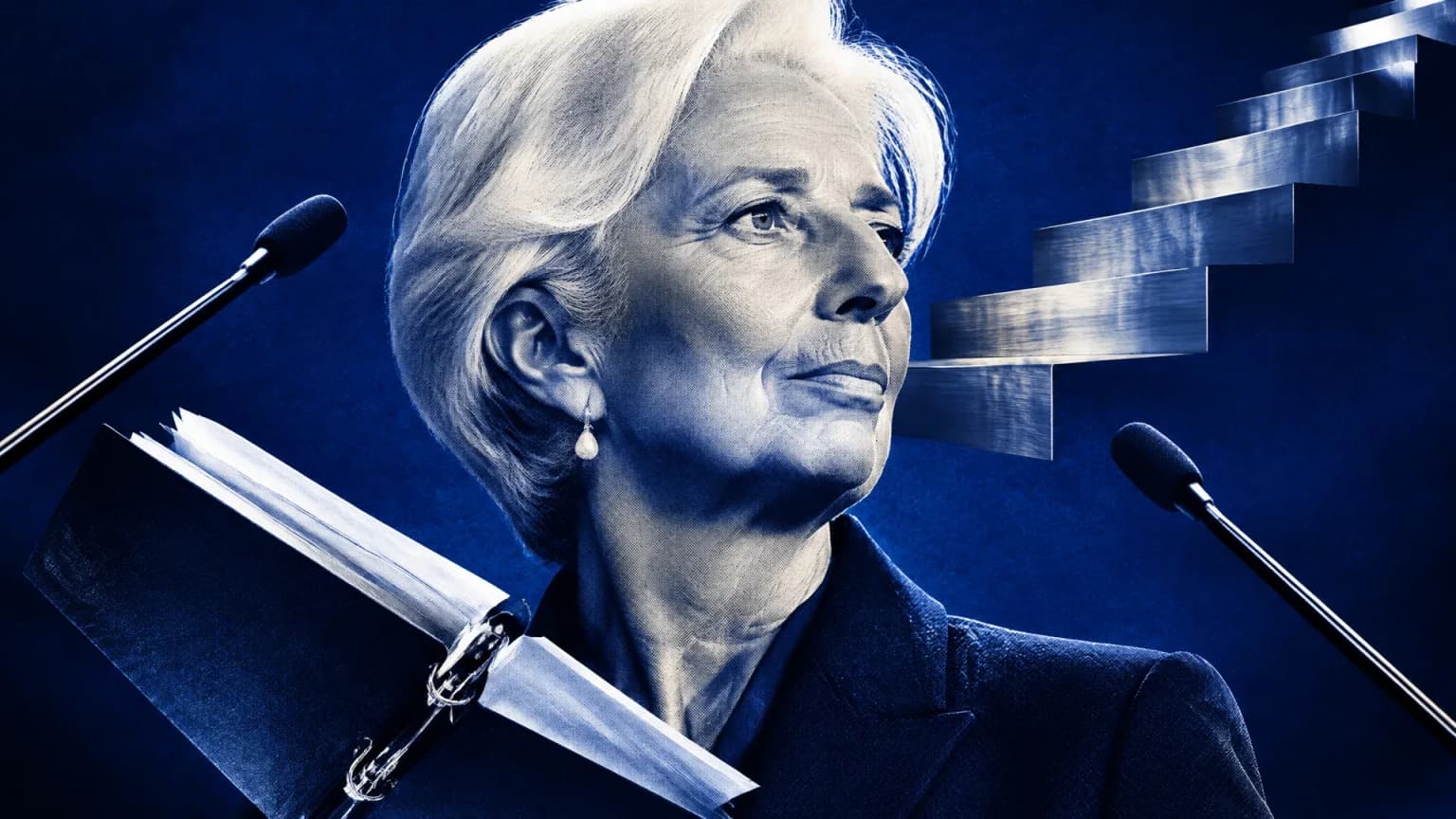
ECB rate decision on October 29: what it means for your crypto portfolio
On October 29, 2026 the ECB Governing Council decides on euro area interest rates, a day after the US Federal Reserve. The deposit rate has stood at 2.50 percent since September 16, above the yield from Ethereum staking.

September 24, 2026 1:11 PM

Stellar Becomes a Payment Rail at Mastercard's BVNK: What XLM Holders Should Check on Buying Route, Memo and Holding Period
BVNK has switched on Stellar as a payment rail for business customers in more than 130 countries. On the same trading day XLM falls by around seven percent — we separate what the news means from what the pullback means for your portfolio.
August 27, 2026 1:12 AM

Revolut Launches the EURR Euro Stablecoin: Why Germany Is Not in the First Wave
Revolut launched the EURR euro stablecoin on August 26, 2026, starting in Denmark, Poland and Portugal. For German customers a different date matters for now: the USDT deadline ends on August 31.
July 28, 2026 5:16 PM
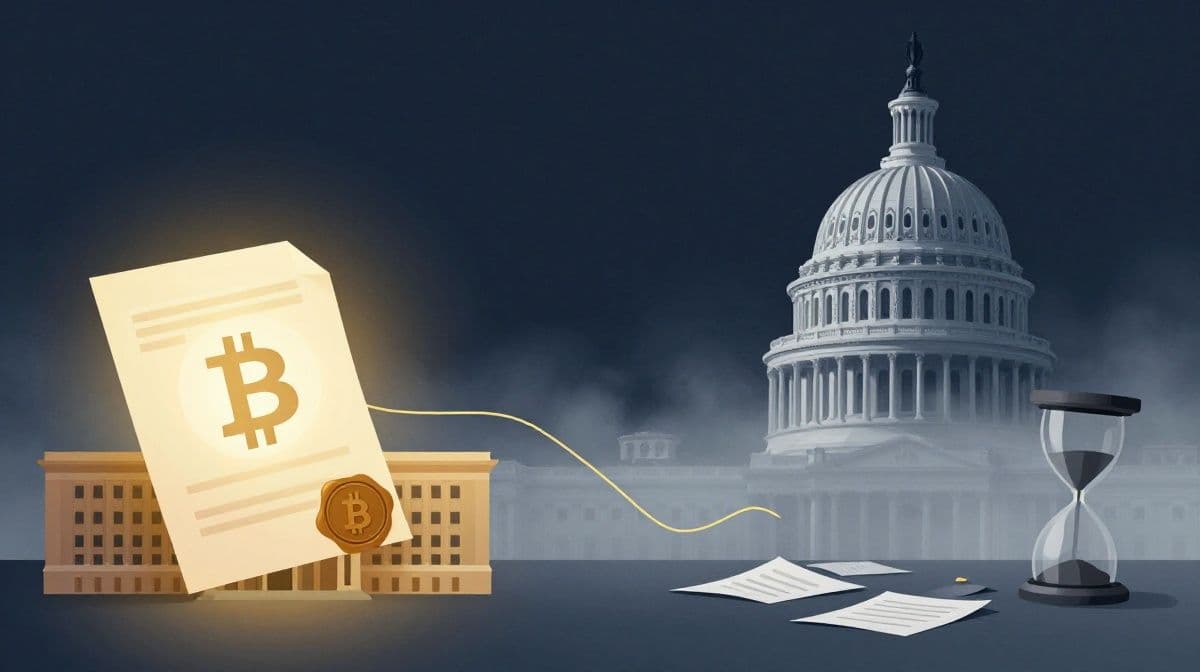
Russia Just Passed Its Own Crypto Clarity Act While the US Senate Keeps Stalling
Russia's crypto trading law is on its way to Putin's desk while the US CLARITY Act sits unvoted on a shelf. Here is what the split means for prices.
March 27, 2025 5:00 AM
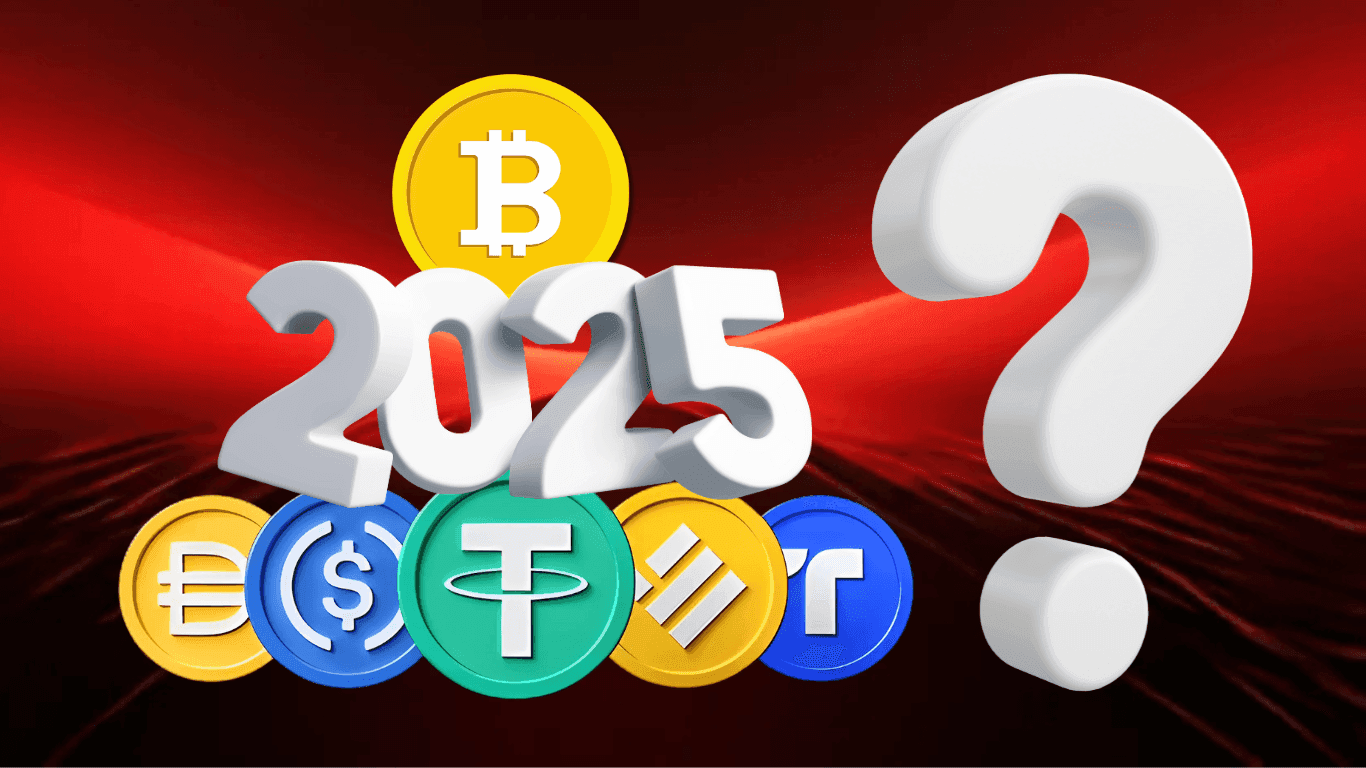
Bitcoin or Stablecoins: Which Is the Best to Hold in 2025?
GameStop adds Bitcoin to its treasury while Fidelity explores launching a new stablecoin. But what's in it for investors, and which is the best to hold in 2025?
November 14, 2020 3:06 PM

Shaping the Blockchain & Crypto Ecosystem at Hong Kong Blockchain Week 2020 November 17-19, With Main Block O2O Virtual Summit on Nov 18th
As Bitcoin price is going up, digital currencies relive their best industry moments while getting closer to a customer than ever in 2020. Experts from business, technology, finance, education hubs will ensure deep thought leadership and share unique analysis of how the crypto currencies world evolved from Satoshi’s whitepaper into a globally important topic of central bank digital currencies.
January 29, 2020 11:59 PM

Only Bitcoin And Digital Currencies Will Survive, Fund Manager
Multicoin Capital’s Managing Partner Tushar Jain tweeted on 27th Jan that FIAT currencies issued from economically challenged smaller countries will be on the verge of extinction soon and we might be left with a few Central Bank Digital Currencies (CBDC) […]
October 23, 2026 1:22 PM
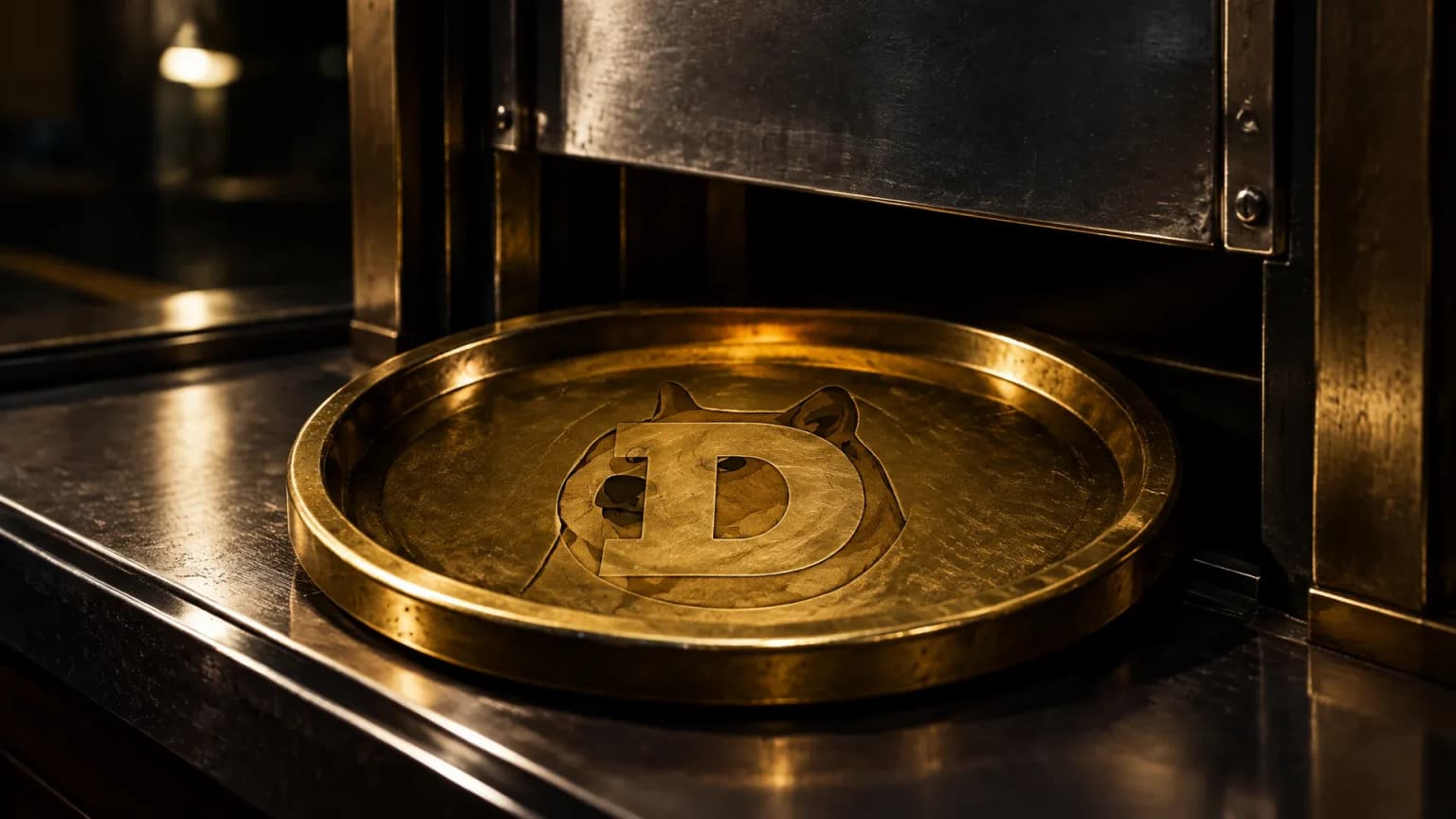
Dogecoin: 96 percent of trading runs on Tether, 0.13 percent on the euro
Of the 100 highest-volume Dogecoin pairs, 96.00 percent run through Tether and 0.13 percent through the euro, measured on October 23, 2026. That exact trading pair loses its basis in the EU by January 8, 2027, and that shifts the question of where you buy DOGE next.
October 20, 2026 10:18 AM

Coinbase converts USDT and DAI into USDC on October 30: the swap restarts the one-year holding period
On October 30 Coinbase will convert the remaining USDT, DAI and PYUSD balances in the European Economic Area into USDC. The swap counts as a disposal under section 23 of the German Income Tax Act, and the one-year clock starts again for the new balance.
More from CryptoTicker