








AITECH Cloud Network in October 2026: a relaunch under a new name
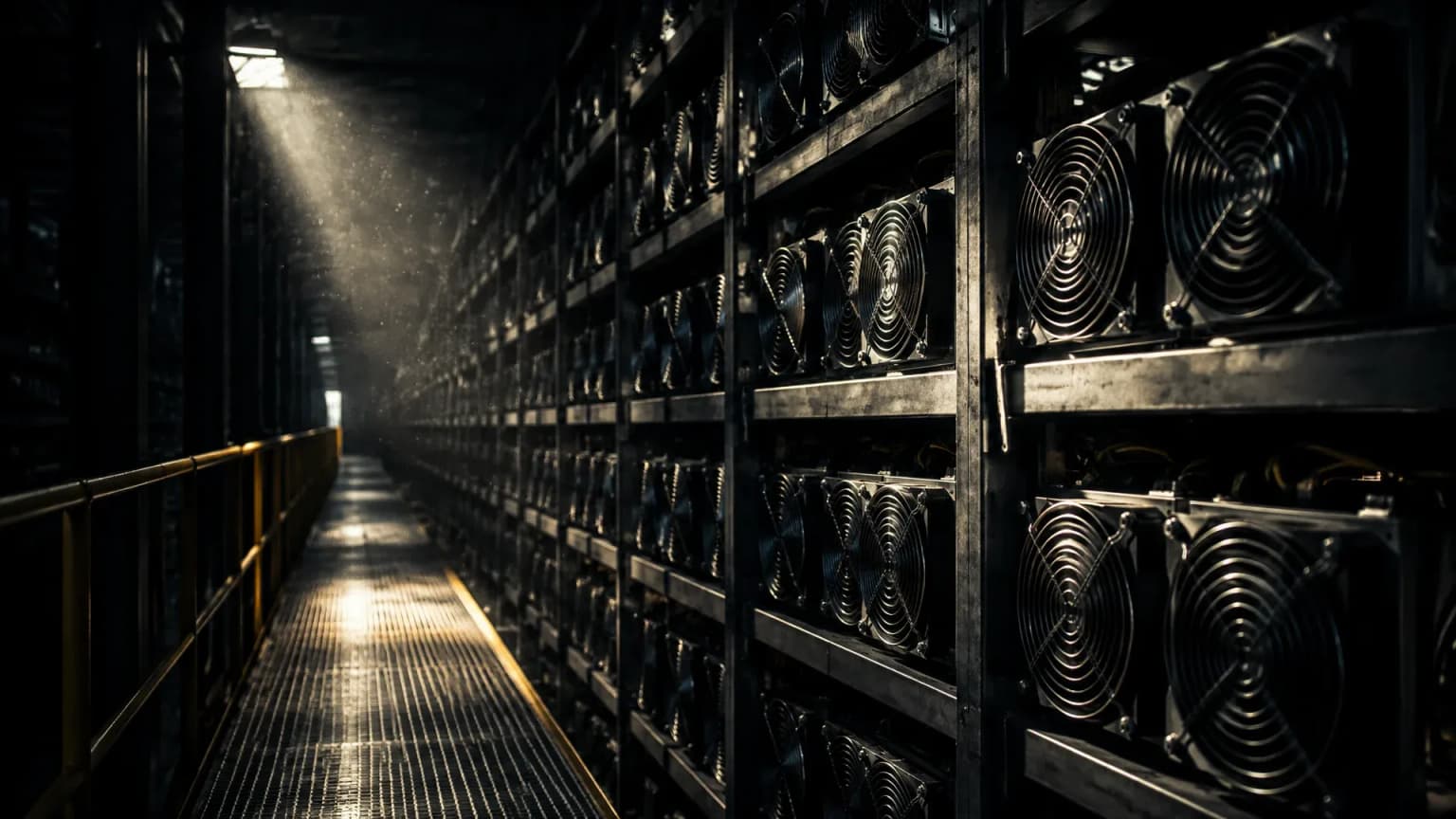
ACN trades at around $0.0047. Behind the token stands the project that, until spring 2026, operated as Solidus AI Tech under the ticker AITECH: in late April 2026 the rebrand to AITECH Cloud Network was announced, paired with a 1:1 token migration from BNB Chain to Ethereum. The project's real core is unusually tangible: a roughly 8,800-square-foot high-performance data centre in Bucharest, plus marketplaces for GPU compute and AI models that are paid for in the token.
Between real infrastructure and token reality
Unlike many AI tokens, the project can point to physical infrastructure. The price still tells a different story: ACN trades deep in the fractions-of-a-cent range, far below the highs of the 2024 AI euphoria. The migration adds further uncertainty – transition phases typically cost liquidity and attention. ACN is a small-cap bet that real computing power can translate into token demand.
The crypto market right now
Total value and sentiment of the market from our own charts. While the page is open, the values refresh at the pace of their source.
What actually moves the AITECH Cloud Network price
At its core, the business model is classic: compute from the company's own Bucharest data centre and from a decentralised GPU network is rented out through a compute marketplace, alongside marketplaces for AI models and blockchain services. The token is a means of payment with a deflationary element – part of every payment is burned. The same logic applies as with all DePIN projects: not the narrative, but actual billed revenue, decides token demand over the long run.
The metrics we watch on AITECH Cloud Network
- Utilisation and revenue from compute offerings: rented GPU hours are the only hard proof of the infrastructure promise.
- Burn volume: tokens burned from real payments show whether the deflation mechanic is alive or just on paper.
- Progress of the Ethereum migration: a clean, complete 1:1 conversion without liquidity loss is the basic precondition for everything else.
The uncomfortable topic: a data centre alone does not make a token investment
The physical infrastructure is real, but it doesn't answer the decisive question: why should customers pay through a token instead of invoicing with established cloud providers? As long as the token detour offers no clear price advantage, the link between the business and the price stays loose – a structural problem for the whole category.
How this forecast could fail
Our scenarios assume an orderly migration and moderate growth in the compute business. A botched conversion, delistings, or a collapse in AI demand would break through the lower bounds.