Jeffrey Epstein and the Bitcoin Conspiracy: Hidden Ties to the Digital Currency Initiative
New revelations explore the murky connections between Jeffrey Epstein and early Bitcoin development at the MIT Media Lab.


Few stories are as unsettling as the ties between the disgraced financier Jeffrey Epstein and the MIT Media Lab’s Digital Currency Initiative (DCI). While the decentralized nature of Bitcoin is often championed as a tool for transparency, the funding behind its academic development at MIT tells a much more complicated story of shadow donations and elite influence.
The MIT Connection: Funding the Future of Crypto
In 2015, the Bitcoin Foundation—the primary entity supporting the development of the Bitcoin protocol—found itself in a dire financial state. During this critical window, the MIT Media Lab stepped in to house the Digital Currency Initiative (DCI). This move provided a safe haven for key Bitcoin Core developers, ensuring that the code underlying the world's largest cryptocurrency could continue to be maintained.
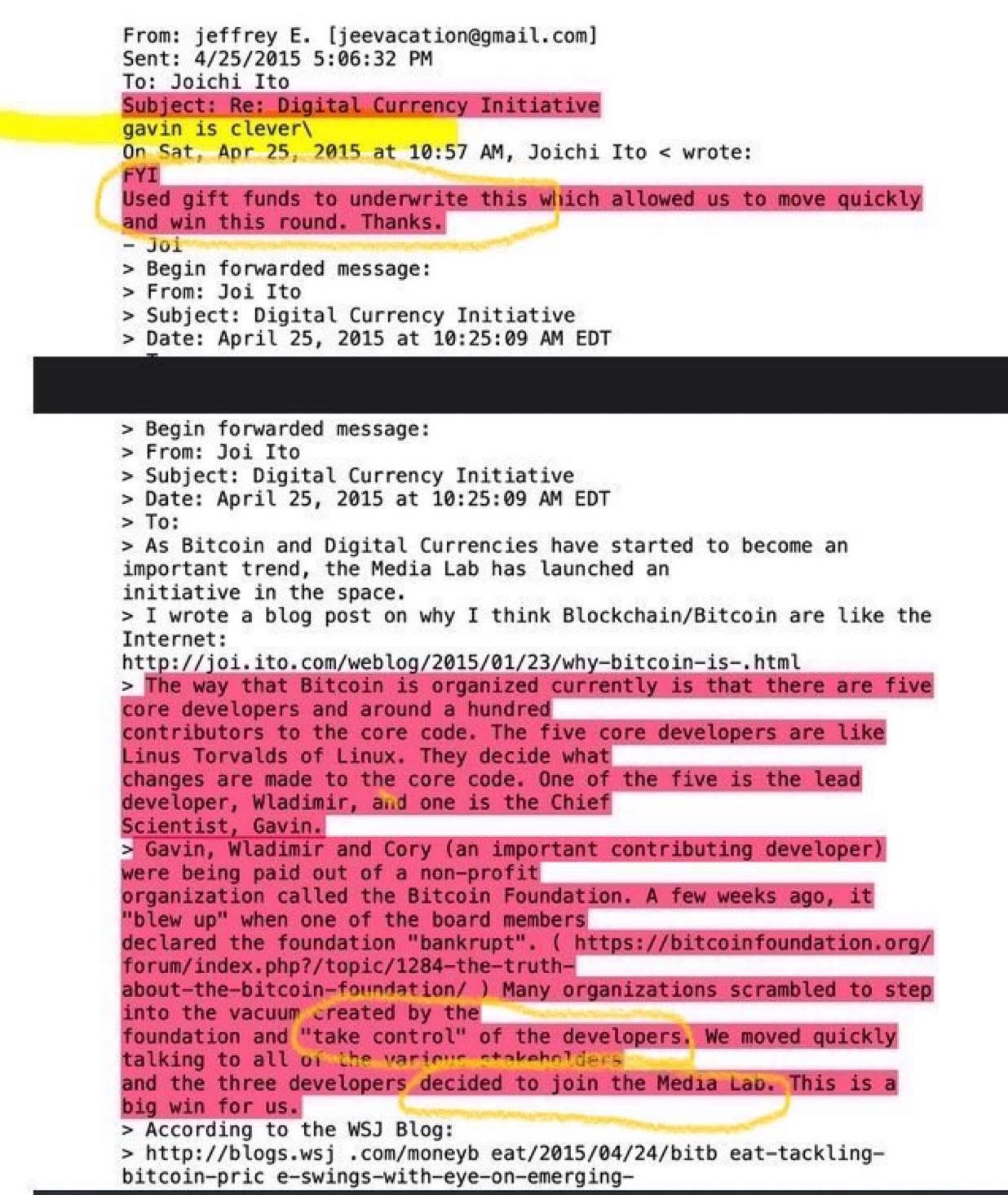
However, an investigation by The New Yorker later revealed that Joi Ito, then-director of the Media Lab, had accepted significant donations from Jeffrey Epstein and actively worked to conceal them. These "shadow" contributions, often funneled through foundations or labeled as anonymous, have led many to question how much influence the late sex offender actually had over the project that saved Bitcoin's development team.
High-Profile Meetings and Hidden Emails
Leaked emails and internal documents suggest that Epstein’s interest in Bitcoin was more than just a passing curiosity. He was reportedly intrigued by the concept of digital currencies and their potential to disrupt global banking. Reports have surfaced of meetings involving Epstein and prominent figures in the tech world where the technical specs of Bitcoin were discussed.
While there is no direct evidence that Epstein influenced the code of $Bitcoin, the fact that his money was supporting the very developers tasked with its maintenance remains a point of intense controversy. The DCI eventually welcomed prominent figures like Wladimir van der Laan and Cory Fields, but the cloud of Epstein’s "science philanthropy" remains a stain on the lab's history.
The Satoshi Nakamoto Rumors
The crypto world is no stranger to wild theories, and the Epstein saga is no exception. Some internet sleuths have attempted to link Epstein to the identity of Satoshi Nakamoto, though these claims lack credible evidence. Most experts agree that Epstein’s role was more of a "gatekeeper" or a "predatory donor" looking to gain social capital and influence within the emerging tech elite.
For those looking to secure their own assets away from the drama of centralized institutions and tainted funding, many still turn to hardware wallets to ensure personal custody of their $BTC.
Transparency and the Road Ahead
The fallout from the Epstein scandal led to the resignation of Joi Ito and a massive overhaul of how MIT handles donations. It also sparked a broader conversation within the crypto community about the ethics of funding. Can a decentralized technology truly be neutral if its primary developers are funded by figures with hidden agendas?