Trading Crypto Amid Middle East Tensions: 5 Things to Consider
Navigating crypto markets during geopolitical unrest requires a unique strategy. Here are 5 essential tips for trading during current Middle East tensions.

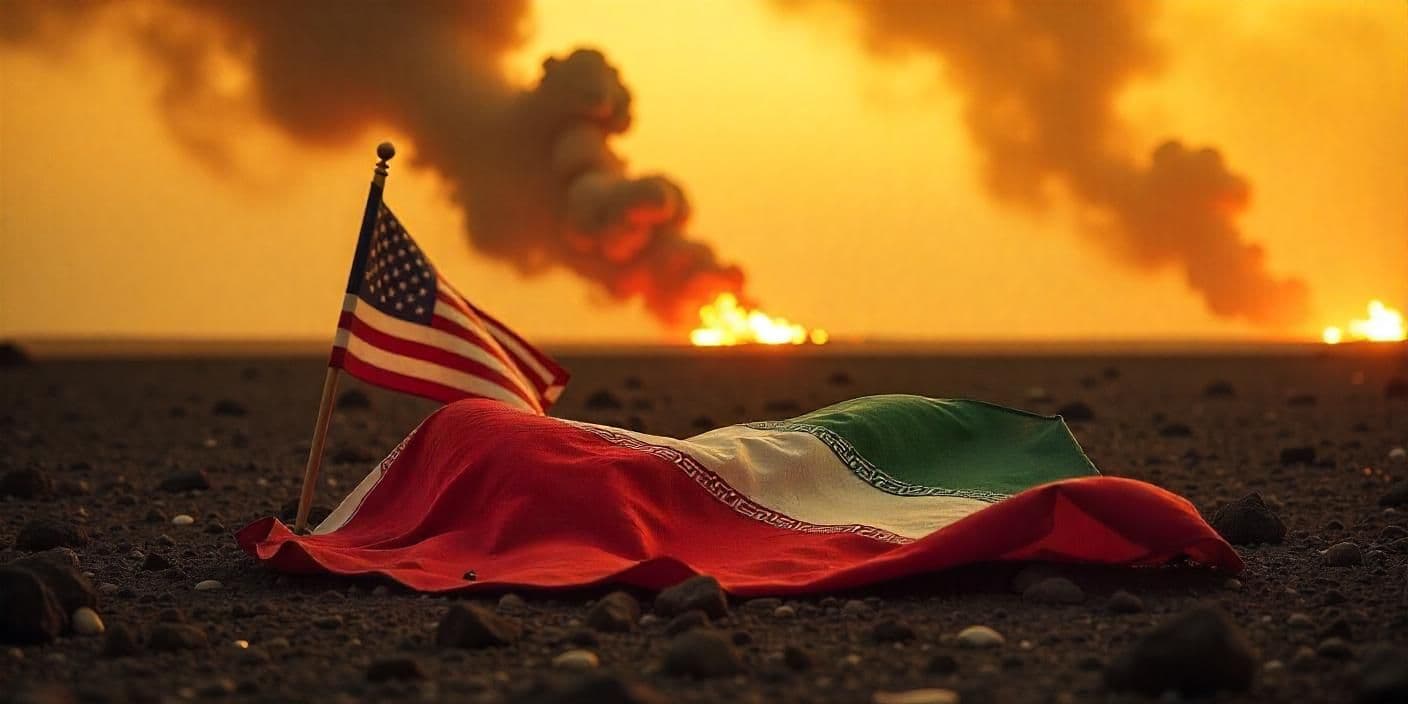
The cryptocurrency market is no stranger to volatility, but the recent escalation in Middle East tensions has introduced a complex layer of geopolitical risk. In March 2026, the market witnessed sharp movements as news of airstrikes and leadership changes in the region broke. For traders, these "black swan" events can be both a threat to capital and a source of significant opportunity.
How do Middle East tensions affect crypto?
Geopolitical unrest typically triggers a "risk-off" sentiment across global markets. Initially, investors often flee volatile assets like Bitcoin in favor of traditional safe havens like gold or U.S. Treasuries. However, due to its 24/7 nature, the crypto market often acts as a "liquidity pressure valve," reacting faster than traditional stock exchanges to breaking news.
1. Monitor the "Liquidity Pressure Valve" Effect
Unlike Wall Street, crypto never sleeps. When significant geopolitical events occur over the weekend—such as the strikes reported on February 28, 2026—Bitcoin is often the first asset to price in the news.
- Early Reaction: Initial panic often leads to sharp liquidations.
- Price Discovery: Real price stability often occurs only once U.S. stock markets and Bitcoin ETFs resume trading on Monday morning.
Investors should be wary of making drastic moves during low-liquidity weekend hours when spreads are wide and price swings are exaggerated.
2. Watch the Gold and Oil Correlation
During the current crisis, we have seen a significant divergence in asset performance. While Bitcoin initially dropped toward the $63,000 support level, commodities like Brent crude oil surged toward $100 a barrel, and gold targeted new highs.
| Asset | Typical Reaction to Unrest | March 2026 Performance |
|---|---|---|
| Bitcoin | Initial drop (Risk-off) | Dropped 3.8% then recovered |
| Gold | Surge (Safe Haven) | Rallied toward $6,000 |
| Crude Oil | Surge (Supply Concerns) | Jumped 10% |
Understanding this rotation is crucial. If oil and gold continue to climb, it indicates that the market still perceives high systemic risk, which may cap any immediate "relief rallies" in the Bitcoin price.
3. Use Stablecoins as a Strategic Buffer
In turbulent times, the ability to move into "cash" without exiting the ecosystem is a lifesaver. Rotating a portion of your portfolio—perhaps 20% to 30%—into stablecoins like USDT or USDC can preserve your purchasing power.
Expert Tip: Keeping a stablecoin reserve allows you to "buy the blood" when high-quality assets hit major support levels. According to recent data, short-term holders showed "seller exhaustion" near $63,000, presenting a potential entry point for disciplined traders.
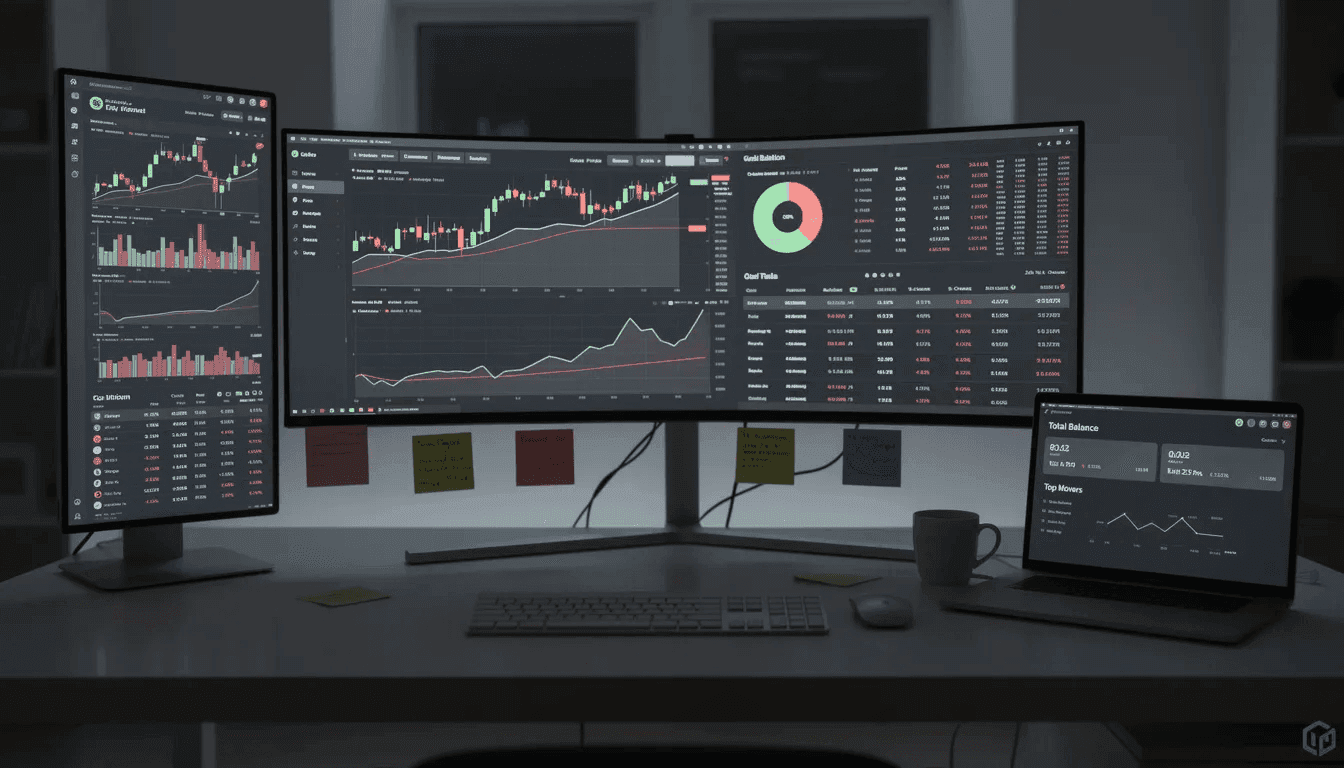 Before entering a trade, check the exchange comparison to ensure you are using platforms with the best liquidity to avoid slippage
4. Re-evaluate Your Leverage and Stop-Losses
Geopolitical volatility is the "liquidation engine" of the crypto world. In a single hour on February 28, over $1.8 billion in derivatives were liquidated.
- Reduce Leverage: High leverage (10x or more) is suicidal during a war-driven market. Even a 2% "wick" can wipe out your position.
- Widen Stop-Losses: Normal volatility ranges expand during crises. Tight stop-losses may get triggered by "noise" before the actual trend continues.
5. Distinguish Between Technical and Fundamental Shifts
Is the price dropping because Bitcoin's technology failed, or because of external fear? Most geopolitical shocks are temporary technical sell-offs.
Analysts suggest that while the initial shock is painful, markets often recover within 1–2 weeks if the conflict remains localized. Long-term investors often view these dips as "black swan" opportunities to accumulate, provided they store their assets securely.
How To Trade Cryptos During War
Trading during Middle East tensions requires a blend of patience and clinical execution. By monitoring the correlation between crypto and commodities, reducing leverage, and maintaining a stablecoin "war chest," you can navigate the storm without capsizing your portfolio.