Poland Stands Alone in the EU on MiCA: What Went Wrong?
Poland just broke from the entire European Union on crypto regulation after lawmakers failed to overturn a presidential veto on its MiCA bill.


Poland just became the European Union’s lone holdout on MiCA bill, and it happened in the most avoidable way: a political deadlock that left the country without a domestic crypto framework while the rest of Europe moves ahead. The failed vote to overturn the president’s veto didn’t just stall a bill. It wiped the slate clean. Lawmakers will now have to start the entire legislative process from scratch, even as the EU’s markets gear up for full MiCA enforcement.
Why the Veto Override Failed
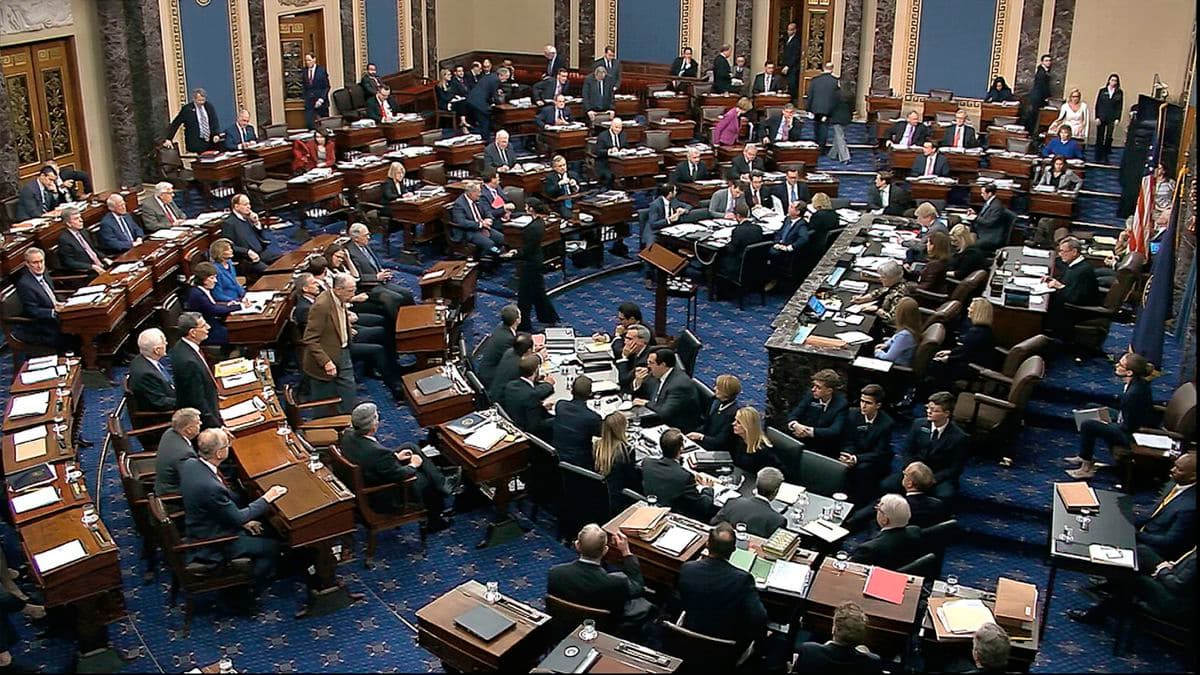
The Sejm fell 18 votes short of the three-fifths majority needed to overturn President Karol Nawrocki’s veto of the Crypto-Asset Market Act. The Prime Minister’s camp expected a tough battle, but the gap exposed a deeper political divide between Tusk’s pro-EU coalition and Nawrocki’s nationalist base.
Tusk positioned the bill as a national security requirement. He argued that digital assets were being used as discreet funding channels for Russian intelligence services and organized crime. Nawrocki rejected that framing outright. To him, the legislation was excessively complex compared to how other EU states implemented MiCA bill, and the compliance burden risked pushing Polish crypto firms abroad.
His chancellery chief put it bluntly: claiming that voting against the bill equated to supporting the Russian mafia was an exaggerated and unfair dichotomy.
Industry Split on the Bill's Impact
Crypto market voices didn’t offer a unified push either. Some groups pressed for regulatory clarity after years of uncertainty, but others warned that the proposed framework overreached. The CEO of Zondacrypto, one of Poland’s largest exchanges, went as far as calling it a step backwards. He argued that the bill’s language risked criminalizing legitimate development work in blockchain technology.
This internal split weakened the political momentum the Prime Minister needed. Without overwhelming industry support or a unified parliamentary bloc, the veto stood.
The Consequences for Poland’s Crypto Landscape
With the bill dead, Poland is now the only EU country still lacking a domestic MiCA implementation. Meanwhile Germany, Malta, Lithuania, and the Netherlands have already started issuing MiCA-compliant licenses. Firms in those markets are gaining early regulatory certainty, operational continuity, and an edge in attracting capital.
Poland’s market isn’t slowing, though. Chainalysis data ranks the country eighth in Europe for crypto value received from mid-2024 to mid-2025, with transaction volumes rising more than fifty percent year over year. Roughly 7.9 million Poles already use cryptocurrency, which means adoption is growing even as regulation stalls.
That combination — high usage and no framework — creates an awkward vacuum. Firms operate in a grey zone. Consumers face unclear protections. And policymakers lose ground while the rest of Europe moves in lockstep.
Meanwhile, the Rest of Europe Pushes Ahead
Other EU regulators aren’t waiting around. Italy reminded virtual asset service providers that they must meet the December 30 MiCA deadline or prepare to shut down. European officials are also openly exploring whether a single bloc-wide supervisor, modeled after the U.S. SEC, could eventually oversee crypto exchanges. If that happens, individual state-level implementations might matter far less in the long run, but such a consolidation would take years to negotiate.
For now, each member state’s domestic framework shapes how local firms operate. And Poland is the only one left without one.
What This Means Going Forward
Poland now faces a reset. Lawmakers need to craft a new bill that can satisfy both political camps while keeping the country in step with the EU’s regulatory direction. The longer that process drags on, the more risk Poland takes on — from consumer exposure to regulatory arbitrage to missed economic opportunities.
What this really means is that Poland didn’t reject MiCA bill itself. It rejected this version of MiCA implementation. But with the rest of the EU moving forward, standing still is no longer neutral. It’s a strategic disadvantage.