
Oil Crashes Below $81 as US–Iran Deal Reopens Hormuz — Bitcoin and Top 10 Cryptos Rally on the Week
Oil crashed nearly 5% on the US–Iran peace deal while Bitcoin and the top 10 cryptos climbed over the past 7 days. Here's the full breakdown.




Which topics should we dive deeper into?
Select what genuinely interests you. Your picks feed directly into our editorial planning.
Crypto news that's actually worth your time.
Weekly. 60 seconds. Carefully curated by our editors: no hype, no promo flood, no spam.
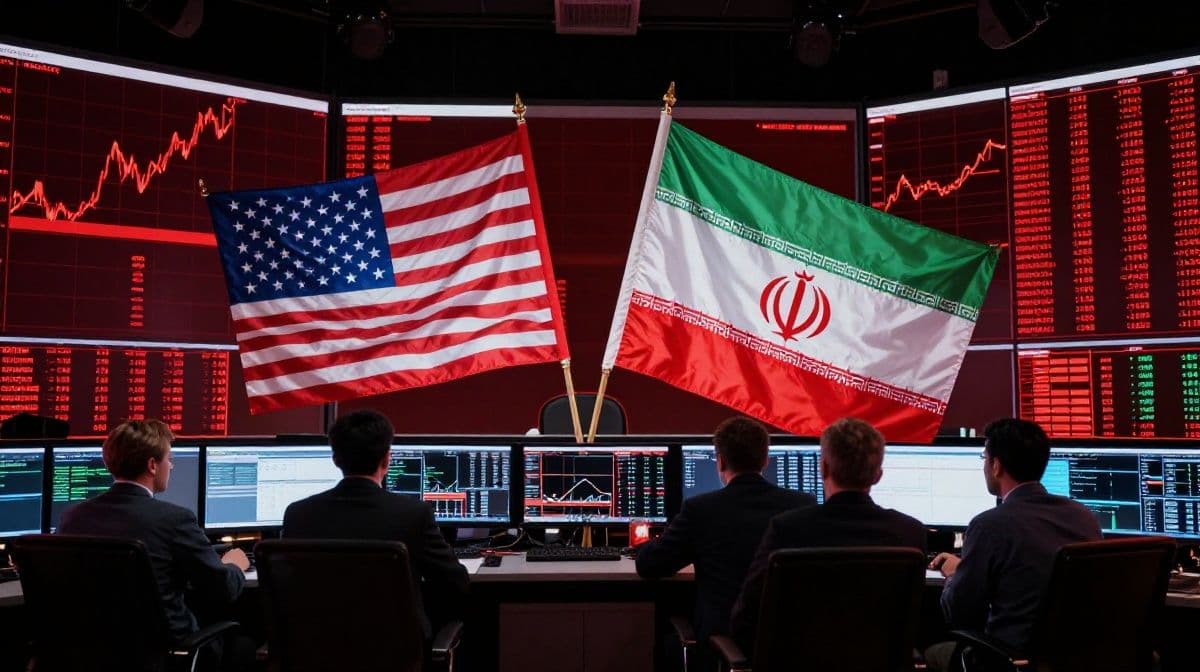
Two markets moved in opposite directions on the same headline. As the United States and Iran confirmed a peace deal to end their nearly four-month war and reopen the Strait of Hormuz, crude oil tumbled to a three-month low — while Bitcoin and the entire top 10 crypto market posted a green week. The reason is the same for both: the single biggest geopolitical risk premium weighing on global markets is finally unwinding.
Here's the full breakdown of the oil crash, the latest US–Iran war developments, and how the top 10 cryptocurrencies performed over the past 7 days.
Oil Crashes to a Three-Month Low
The de-escalation hit energy markets hard. US crude oil closed down 4.8% to $80.75 per barrel, while international Brent crude fell 4.7% to $83.17 — the lowest closing prices for both benchmarks since the first week of March, right after the war began.
The slide was not a one-day event. Oil had already tumbled more than 6% over the prior week in anticipation of an agreement, meaning the market front-ran the news before the official confirmation even landed. Heating oil, a proxy for jet fuel, dropped more than 3.5%, and wholesale gasoline fell more than 2.5%.
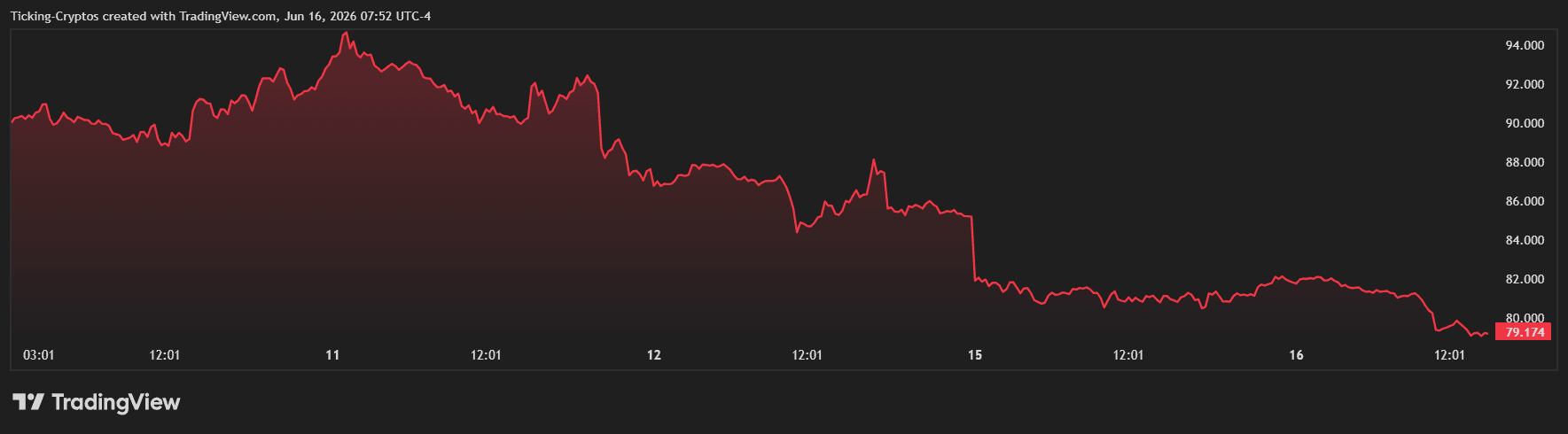
The catalyst is the Strait of Hormuz. Roughly 20% of the world's oil supplies passed through the strait before tanker traffic collapsed in early March, and its closure triggered one of the largest oil supply shocks on record. With Trump authorizing the toll-free reopening of the strait and lifting the US naval blockade, traders are pricing in the return of Gulf energy flows.
- The caveat: prices may not fall much further from here. Crude is still up significantly on the year, and analysts caution that getting supplies back to pre-war levels will take time. Almost 600 ships — mostly oil and LNG carriers — remain stuck in the Gulf, unable to transit Hormuz due to mine threats and costly war-insurance premiums. Shipowners and insurers will need convincing that passage is safe before full-scale maritime transit resumes, and clearing mines from the strait could take weeks.

**CFDs are complex instruments and come with a high risk of losing money rapidly due to leverage. 74% of retail investor accounts lose money when trading CFDs with this provider. You should consider whether you understand how CFDs work and whether you can afford to take the high risk of losing your money.
Latest US–Iran War Developments
The diplomatic picture firmed up over the weekend but still carries open questions:
- The deal is reached, signing set for Friday. Pakistan's Prime Minister Shehbaz Sharif — the lead mediator — announced both sides declared the immediate and permanent termination of military operations on all fronts, including Lebanon. The official signing ceremony is scheduled for June 19 in Switzerland.
- Trump confirmed and reopened Hormuz. The president declared the deal complete, authorized the toll-free opening of the strait, and ordered the removal of the US naval blockade.
- An oil waiver for Iran. The US is reportedly granting Iran a waiver to sell its oil during a 60-day window — significant given oil and gas typically generate around 60% of Iranian government revenues.
- Discrepancies remain. Iranian state media indicated Hormuz would be toll-free for only 60 days, after which Iran and Oman would administer the strait. Neither side has released a full text of the truce, suggesting the terms are still fluid.
The takeaway: the framework is in place and markets are treating it as real, but the June 19 signing in Switzerland is the event that converts intention into commitment. Until then, expect headline-driven volatility in both energy and risk assets.
Top 10 Crypto: 7-Day Performance (Excluding Stablecoins)
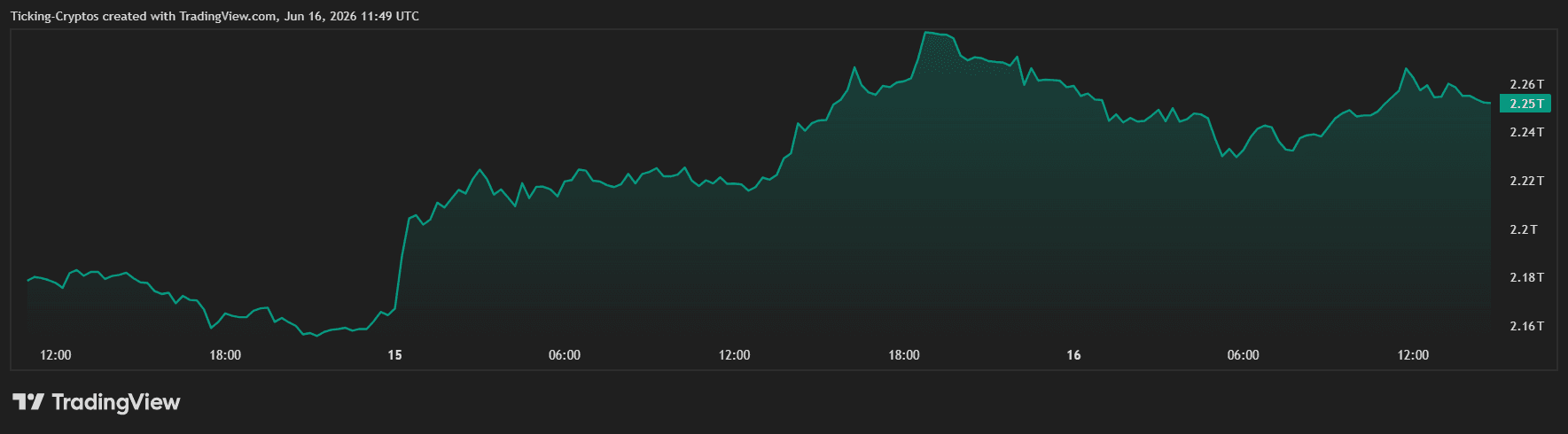
While oil sank, crypto climbed. The lifting of the geopolitical overhang pushed risk appetite back into digital assets, with every major name green over the trailing 7 days. Here's how the top 10 (excluding stablecoins Tether and USDC) performed:
- Bitcoin ($BTC): ~$66,389 — ▲ 2.93% (7d). BTC reclaimed the $65,000 level, recovering from the war-driven selloff that had dragged it toward multi-month lows.
- Ethereum ($ETH): ~$1,719 — ▲ 1.89% (7d). ETH held firmly above $1,700, though its weekly gain lagged the higher-beta names.
- $BNB: ~$612 — ▲ 1.08% (7d). A steady, modest advance in line with the broad recovery.
- $XRP: ~$1.23 — ▲ 0.89% (7d). The smallest weekly gain among the majors, but still green.
- Solana ($SOL): ~$70 — ▲ 4.62% (7d). The standout of the majors, leading the weekly board as high-beta appetite returned.
- TRON ($TRX): ~$0.319 — ▼ 2.24% (7d). The lone laggard, slipping on the week despite the broader market strength.
The pattern is textbook risk-on rotation: the higher-beta, more speculative names (SOL leading at +4.62%) outperformed the steadier large caps (BTC, ETH, BNB), while the broad-market index of the top 20 climbed roughly 5% on the week.
Crypto Market Update: What to Watch for Next
The oil-down, crypto-up split tells a single story: markets are repricing a world with less war risk. Cheaper energy eases inflation pressure at the margin, a lifted naval blockade restores global trade flows, and the removal of the geopolitical premium frees up risk appetite for assets like Bitcoin that sold off hardest during the conflict.
But this is a relief rally built on an agreement, not yet a signature. Three things to watch into the week ahead:
- The June 19 signing in Switzerland. A clean execution validates the move; a slip — as past "deal is near" headlines have shown — could reverse both the oil drop and the crypto bounce.
- Hormuz reopening in practice. Mine clearance and insurer confidence, not the announcement, determine whether oil keeps falling.
- Crypto follow-through. Whether Bitcoin can build above $65,000 and Solana can extend its lead will signal if this is a durable rotation or a short-lived bounce off Extreme Fear.
For now, the message from both markets is aligned: the war premium is coming out, and risk assets are breathing again.
More on Bitcoin: All Bitcoin news at a glance
Related articles
- Why Is Crypto Crashing Today: US Strikes on Iran and a Collapsing Ceasefire
- Why Is Crypto Holding Steady as US-Iran Strikes Escalate?
- Trump Says Oil Will Tumble When the Iran War Ends: What That Would Mean for Crypto
- $1 Trillion Wiped From US Stocks at Open as Iran Strikes US Bases — Is Crypto Next?
- Oil Crashes 38% to a 3.5-Month Low — Why This Is Bullish for Crypto
Which topics should we dive deeper into?
Select what genuinely interests you. Your picks feed directly into our editorial planning.
Crypto news that's actually worth your time.
Weekly. 60 seconds. Carefully curated by our editors: no hype, no promo flood, no spam.

June 10, 2026 5:18 PM
Trump Warns Iran Will "Pay the Price" After Helicopter Downing: Crypto and Global Markets React
Donald Trump warns Iran will pay the price after a US helicopter downing, triggering military strikes and volatility across crypto and global markets.

June 21, 2026 12:08 PM
Crypto Price Today: Bitcoin Holds $64K as Strait of Hormuz Tensions Put Market on Alert
Crypto price today: Bitcoin trades near $64K as Iran’s Strait of Hormuz move raises volatility risks for cryptocurrencies.
May 24, 2026 11:36 AM
Bitcoin Price Explodes Past $77,000 as Trump Discloses Near-Final Iran Peace Deal
Bitcoin crossed $77,000 following Donald Trump's announcement of a pending peace deal with Iran, triggering $180 million in crypto short liquidations.
June 25, 2024 12:18 PM

After Bitcoin Crash, Will Altcoins Gains Reach 500%?
In the latest Bitcoin News today, and mainly after the Bitcoin Crash, crypto analysts predict a major shift towards altcoins with market corrections near the end and BTC dominance drop. Will the altcoins gain reach 500%?
March 1, 2026 6:32 PM

Iran Strikes Oil Tankers in Strait of Hormuz: Will Crypto Prices Crash on Monday?
Iran claims strikes on US and British tankers in the Strait of Hormuz. Here is how Bitcoin and crypto markets might react on Monday's open.
March 31, 2026 7:57 PM

What Threat Could Crash the Crypto Market? War-End Rally Faces Hidden Risk
Crypto markets surge on war-end hopes, but threats to US companies and rising oil prices could trigger a sudden crash.
August 10, 2026 6:52 PM
Why Is Crypto Down Today? Iran Shuts the Door on US Talks Until 2029
Crypto gave back its morning gains after Iran ruled out talks with Washington until 2029. Bitcoin lost $65,000, oil jumped 5% and altcoins bled again.
August 17, 2026 6:12 PM
Bitcoin Price Breaks $64,000: Is the Iran Truce Really the Reason?
Bitcoin broke above $64,000 on Monday as Al Arabiya reported a US-Iran truce extension. The chart says the rally started long before the headline.
April 18, 2026 12:59 PM

Iran Closes Strait of Hormuz Again: Oil Rises as Crypto Crash
Iran has officially closed the Strait of Hormuz citing a US blockade. Oil prices jumped to $83 while Bitcoin dropped to $76,000 amid rising geopolitical tension.
June 18, 2026 7:03 PM

Bitcoin Got the Wrong Crash: Oil Fell, But Crypto Took the Hit
Oil crashed after peace headlines, a move that should have helped Bitcoin. Instead, BTC fell below $63K, ETH dropped under $1,700, and crypto longs were wiped out.
June 20, 2026 4:18 PM
Crypto Prices on Edge as Iran Claims Strait of Hormuz Closure — Again
Iran says it's closed the Strait of Hormuz again; the US denies it. Here's the latest crypto prices and how the geopolitical yo-yo could move markets.
July 11, 2026 6:49 PM

Crypto Price Today: Bitcoin Holds $64K as Robinhood Lets AI Bots Trade Crypto
The market is green again as BTC clings to a key level — but the bigger shift is that AI bots may soon be placing your trades for you. Here's today's snapshot.
November 5, 2025 1:16 PM

$1 Trillion Wiped: Risk-Off Storm Engulfs Stocks & Crypto
Global markets plunge as tech stocks and crypto crash, wiping over $1 trillion in value amid AI bubble fears and investor risk-off panic.
July 27, 2026 6:51 PM

Oil Crashes 11%, Bitcoin Price Retakes $65K: What Now?
WTI collapsed from $94 to $84 after the US paused strikes on Iran. Bitcoin reclaimed $65,000 and ETH neared $2,000. Here is why oil now drives crypto.
April 12, 2026 1:00 PM
Saudi Arabia Restores East-West Pipeline: Why This Is a Medium-Term Win for Crypto
Saudi Arabia restores its 7M bpd East-West pipeline, bypassing the Strait of Hormuz. We explore how this energy stability could catalyze a medium-term crypto rally.
May 15, 2026 9:47 AM

Top 10 Altcoins to Buy in May 2026 as Bitcoin Recovers
Here are the top 10 altcoins to buy in May 2026 as Bitcoin rebounds near $80K and market momentum shifts.
June 15, 2026 5:00 AM
Trump Says US-Iran Deal Is Days Away: What It Means for Crypto
Trump says a US-Iran deal is set to be signed within days, reopening the Strait of Hormuz. Here's what an easing of the conflict could mean for Bitcoin and crypto.
July 8, 2024 7:51 AM

Crypto Market Crash News As BTC Price Crash Back To 56K
With the crypto market crash, and Bitcoin price drop to below 56k with recent dormant BTC whales activity, what comes next: a correction or further crash soon?
March 16, 2026 4:13 PM

Trump Speech Today as Oil Drops and Stocks Surge — Will Bitcoin Be the Next Market Mover?
Oil falls and U.S. stocks surge ahead of President Trump’s speech on the Strait of Hormuz. Could Bitcoin become the next market mover?
March 1, 2025 2:14 PM
Bitcoin March 2025 Price Prediction: After the WORST February for BTC Price in 11 years - How Will March Unfold?
February 2025 saw Bitcoin's sharpest decline in over a decade. Explore the factors behind this downturn and the potential for a market rebound.
April 17, 2026 6:32 PM
Strait of Hormuz Reopens: Bitcoin Hits $78K as Crypto Market Adds $50B in 1 Hour
Bitcoin hits $78K as the Strait of Hormuz reopens, triggering a $50B crypto surge. Is this a real breakout or a short-term relief rally?
March 9, 2026 11:59 AM
Saudi Aramco Cuts Oil Production at Two Fields: Global Markets Brace for Impact
Saudi Aramco reduces output at two oil fields due to Strait of Hormuz disruptions, sending oil prices toward $110. Here is how it affects the crypto market.
March 6, 2026 7:46 AM
Energy Crisis 2026: Brent Oil and LNG Rates Explode Amid Iran Conflict
Global energy markets are in turmoil as Brent crude and LNG shipping rates skyrocket following the US-Israeli conflict with Iran and the closure of the Strait of Hormuz.
September 9, 2026 10:21 AM
Bitcoin Price Frozen Near $79,000 as Oil and War Risk Rewrite the Macro Playbook
Bitcoin price is consolidating near $79,000 while crude oil surges, Hormuz tensions escalate and a Fed rate hike moves into play. Here is what matters.
May 23, 2026 2:50 PM
Rising US and Israel Tensions with Iran Signal Potential Conflict Escalation and Crypto Volatility
Severe friction in the US-Iran ceasefire talks and ongoing Strait of Hormuz maritime standoffs raise warning signs of a renewed military escalation.
June 5, 2024 5:03 PM
Crypto Market Up: Bitcoin Breaches $71K, Altcoins Follow Suit, Eyes on New Highs
Cryptocurrencies are experiencing a surge, with Bitcoin leading the charge by surpassing $71,000. This bullish trend extends to altcoins, igniting optimism across the market. Will Bitcoin reach new highs?

More from CryptoTicker