Is Iran Using Crypto to Bypass US Sanctions?
Iran is leveraging cryptocurrency and stablecoins to bypass US sanctions. Here's how the IRGC and Central Bank use blockchain to keep the Iranian economy afloat.

Facing an unprecedented blockade from the global SWIFT banking network and a collapsing national currency, Tehran has institutionalized digital assets to facilitate international trade, procure dual-use technology, and fund military operations. Following recent military escalations in early 2026, blockchain data has revealed massive capital movements within the Islamic Republic, proving that digital ledgers are now the "front line" of modern financial warfare.
Is Iran Using Crypto to Bypass Sanctions?
Yes, Iran is actively and systematically using cryptocurrency to bypass US-led economic sanctions. According to the Chainalysis 2026 Crypto Crime Report, Iran’s on-chain ecosystem reached a staggering $7.78 billion in 2025. By integrating crypto-mining into its state energy grid and utilizing dollar-pegged stablecoins for cross-border settlements, the Iranian government has created a parallel financial system that operates largely outside the reach of the US Federal Reserve.
The Mechanics of State-Sponsored Evasion
To understand how a nation-state "uses crypto" to evade sanctions, we must define the three primary pillars of Tehran’s strategy:
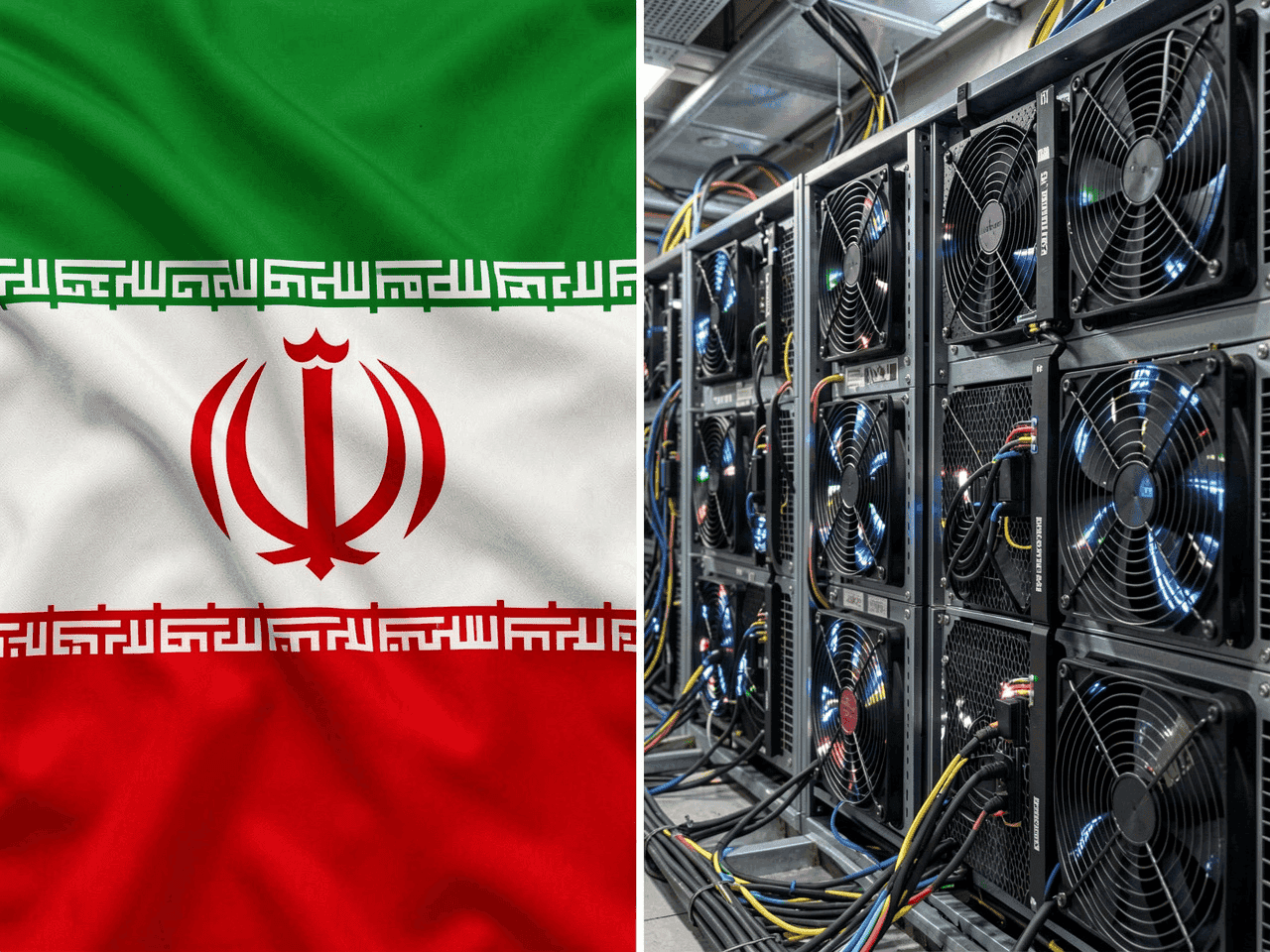
- State-Sanctioned Mining: Iran utilizes its vast, underpriced energy reserves to mine Bitcoin ($BTC). This "freshly minted" Bitcoin is untainted by previous transaction history, making it highly valuable for international markets where "clean" coins are required.
- The Service Layer Infrastructure: Rather than just using individual wallets, Iran has developed state-backed exchanges like Nobitex (which manages over 11 million users) and international nodes like Zedcex to process billions in volume.
- Stablecoin Settlement: While Bitcoin is used for wealth storage, dollar-pegged stablecoins (like USDT) and the newer ruble-backed A7A5 are the preferred medium for actual trade payments due to their price stability.
The Rise of the IRGC in the Digital Economy
A significant shift occurred throughout 2025: the total dominance of the Islamic Revolutionary Guard Corps (IRGC) over the Iranian crypto market.
"In Q4 2025, IRGC-linked addresses accounted for over 50% of all value received by Iranian crypto services, moving more than $3 billion to support regional networks and oil sales." — Chainalysis 2026 Report.
This represents a transition from "civilian" crypto use (citizens protecting their savings from a Rial that hit 1.75 million per dollar in 2026) to "state" crypto use. The IRGC uses these funds to:
- Circumvent oil export bans by accepting crypto payments.
- Procure hardware and electronics for defense through non-sanctioned intermediaries.
- Fund proxy groups across the Middle East without leaving a traditional banking trail.
 Tax season is right around the corner. Did you pick a crypto tax tool yet? Check out our comparison
Global Response and the Future of Enforcement
The US government is aggressively countering these moves. In February 2026, the US Treasury stepped up enforcement against platforms found to be functioning as critical nodes for Iranian state-backed finance.
However, the challenge for regulators is the "whack-a-mole" nature of decentralized finance. When one exchange is sanctioned, new liquidity hubs emerge in gray-market jurisdictions. Furthermore, the collaboration between Iran and Russia on the A7A5 stablecoin has created a bilateral corridor that processed over $100 billion in its first year, providing a blueprint for other sanctioned nations.
A New Era of Financial Warfare
Iran’s use of cryptocurrency has evolved from a survival tactic into a strategic weapon. By leveraging the borderless nature of blockchain, Tehran has managed to maintain its military funding and essential imports despite being "disconnected" from the world. For investors following the latest crypto news, this highlights the dual nature of digital assets: a tool for individual financial freedom and a vehicle for state-level geopolitical maneuvering.
As the conflict in West Asia continues, the world is watching to see if digital assets can truly replace the US Dollar as the primary settlement currency for the "sanctioned bloc" of nations.