5 Things to Do During a Crypto Market Crash
Navigate crypto market crashes with confidence. Learn essential strategies to protect your investments and capitalize on potential opportunities.


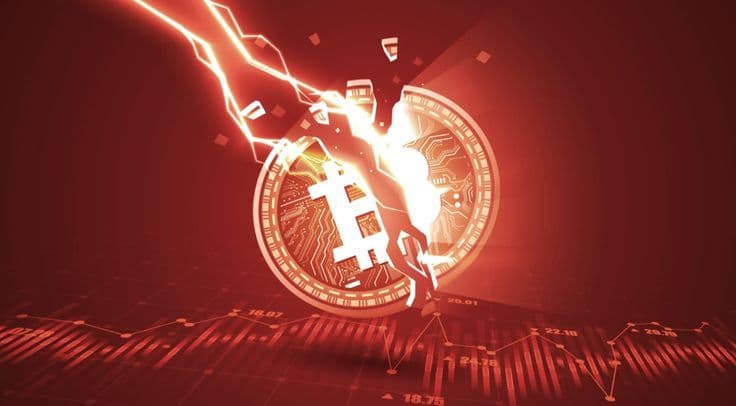
The volatile nature of the cryptocurrency market means that sudden downturns, often referred to as "crashes," are an inevitable part of the investment landscape. While these events can be alarming, they also present unique opportunities for informed investors. Understanding how to react can significantly impact your portfolio's long-term health. This guide outlines five key actions to consider when the crypto market takes a nosedive.
1. Don't Panic Sell: Evaluate Your Holdings
The first instinct during a market crash might be to sell everything to cut losses. However, panic selling often leads to realizing temporary losses and missing out on potential recoveries. Instead, take a deep breath and objectively evaluate your holdings.
Consider the fundamental reasons you invested in each cryptocurrency. Has the underlying technology changed? Is the project still developing and gaining adoption? If the long-term thesis remains intact, selling might be counterproductive. Remember, market corrections are often temporary. For more insights on market movements, check out our crypto news section.
 Looking for a solid crypto exchange? Check out our exchange comparison
2. Assess Your Risk Tolerance and Portfolio
A market crash is an opportune time to reassess your personal risk tolerance. Are you losing sleep over your investments? This might indicate you are overexposed to volatile assets. Review your overall portfolio allocation. Diversification is key, not just within crypto but across different asset classes.
Ensure your crypto portfolio is balanced. Do you hold a mix of established coins like $Bitcoin and $Ethereum, alongside promising altcoins? A well-diversified portfolio can better weather market storms. Consider rebalancing if certain assets have grown disproportionately.
3. "Buy the Dip" (Strategically)
For those with available capital, a market crash can be an excellent opportunity to "buy the dip." This means purchasing assets at lower prices with the expectation that they will recover and appreciate over time. However, this strategy should be approached with caution and not reckless abandon.
Here's how to buy the dip strategically:
- Research: Focus on projects with strong fundamentals, active development, and clear use cases. Avoid buying into projects purely based on hype.
- Dollar-Cost Averaging (DCA): Instead of investing a lump sum, spread your purchases over time. This mitigates the risk of buying at a false bottom and averages out your purchase price.
- Allocate Wisely: Only invest what you can afford to lose, especially in a volatile market.
4. Secure Your Assets: Hardware Wallets are Your Friend
During periods of market instability, ensuring the security of your assets becomes even more critical. Exchanges can become targets for hackers, and centralized platforms carry inherent risks. Moving your cryptocurrencies to a secure hardware wallet offers the best protection against theft and unauthorized access.
Hardware wallets store your private keys offline, making them impervious to online threats. If you don't already own one, consider exploring our hardware wallet comparison to find the best option for your needs. This extra layer of security provides peace of mind when market conditions are uncertain.
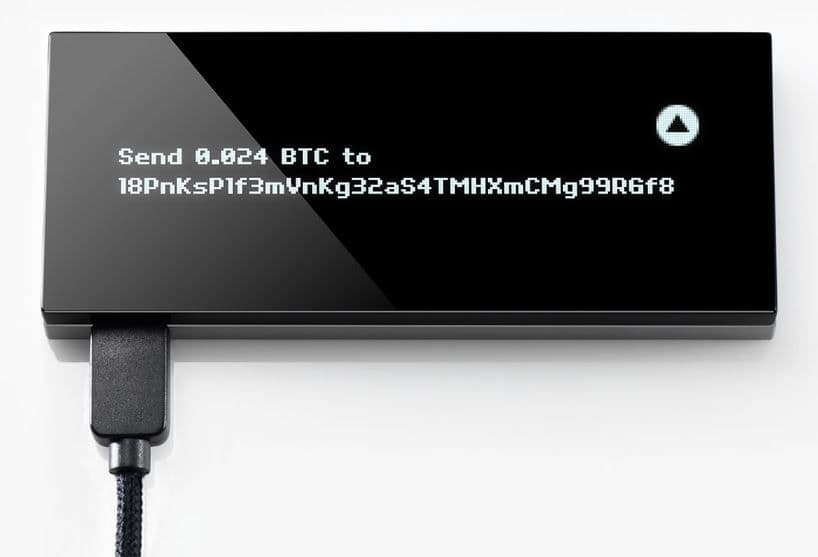 Secure your cryptos today with a hardware wallet. Check out our list of the Top 14
5. Stay Informed and Learn from the Market
Market crashes are invaluable learning experiences. Use this time to deepen your understanding of market cycles, technical analysis, and fundamental research. Follow reputable news sources and analysis, but always do your own due diligence.
Understanding the broader economic factors that influence the crypto market, such as interest rate changes or regulatory developments, can also provide context. Websites like Bloomberg provide excellent macroeconomic analysis that can shed light on market sentiment. Stay informed about the latest trends and insights by regularly checking our exchange comparison and other resources. The more you learn, the better equipped you'll be for future market movements.