How to Invest in Crypto in 2026: Strategies, Best Assets, and Tax Tips
Master crypto investing in 2026 with our expert guide on choosing assets, managing risk, and staying tax-compliant in a maturing digital economy.
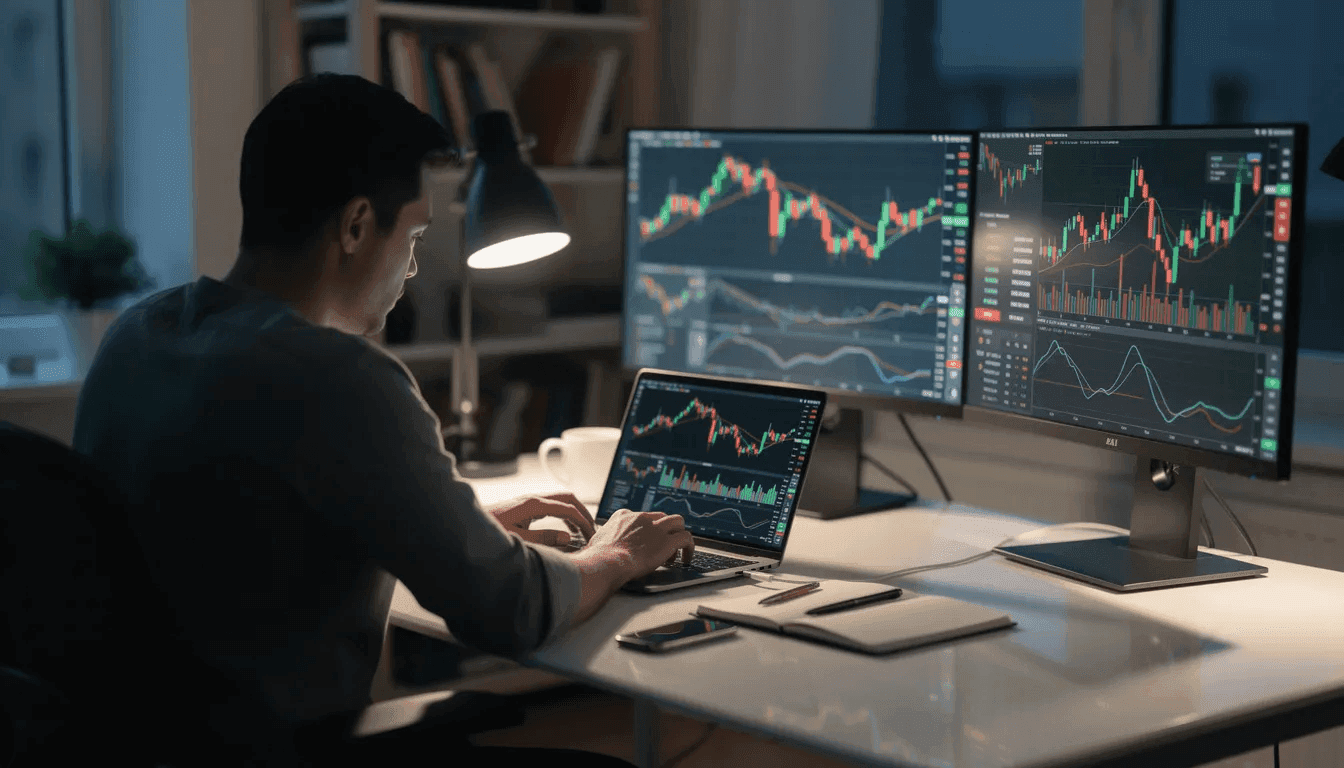

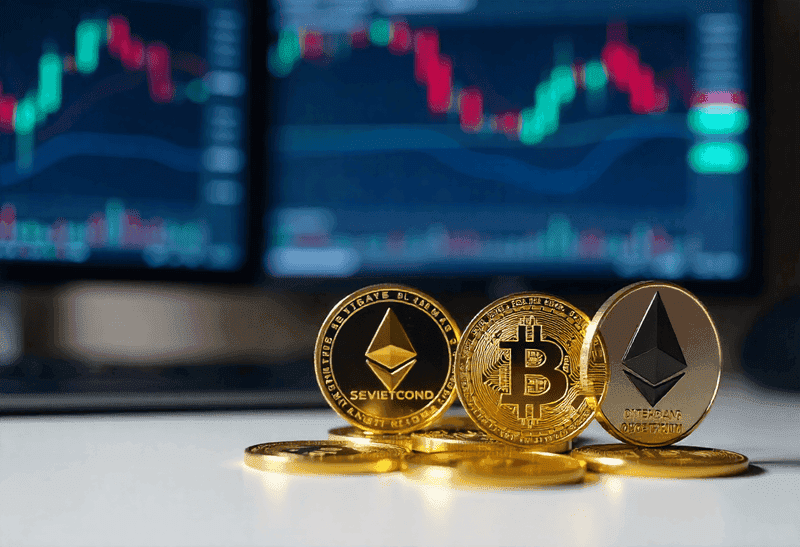
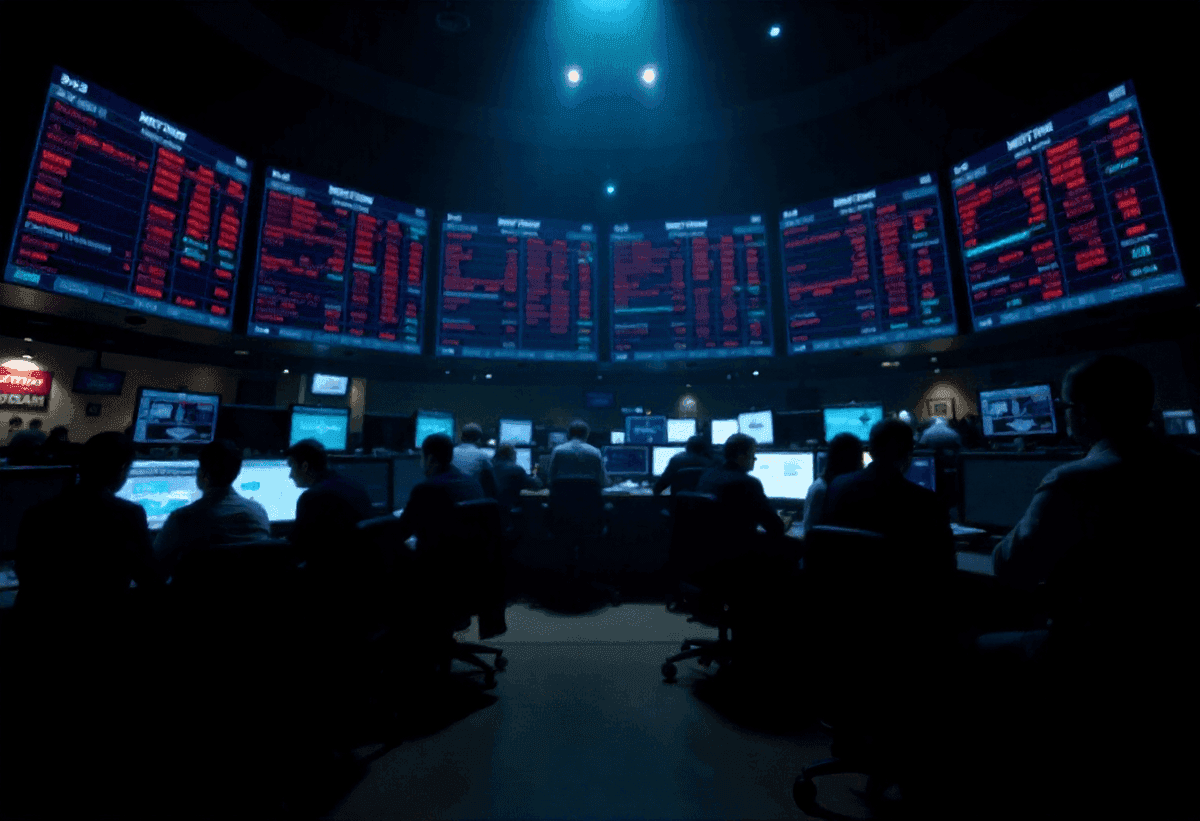
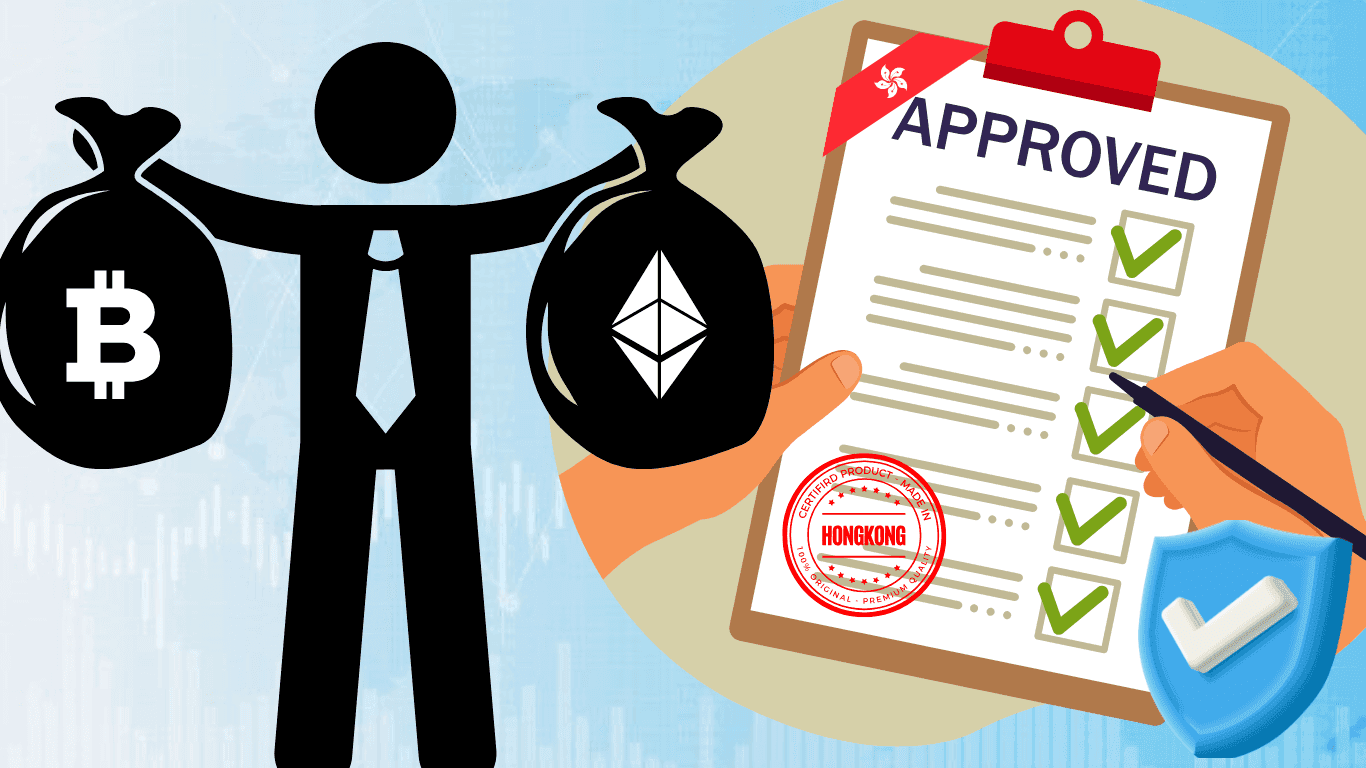
The landscape of digital assets has shifted from speculative "wild west" territory to a structured, institution-led market. Whether you are a newcomer or a seasoned trader, understanding how to invest in crypto in 2026 requires a blend of traditional financial discipline and an understanding of next-generation blockchain utility. With the implementation of global regulations like MiCA in Europe and the CLARITY Act in the US, the "compliance premium" is now a decisive factor in asset performance.
Can You Still Profit with Cryptos in 2026?
Yes, but the era of "everything rallies" is largely over. Success in 2026 depends on K-shaped differentiation, where assets with real-world utility (RWA), robust ecosystems (Ethereum, Solana), and "digital gold" status (Bitcoin) thrive, while low-utility altcoins fade. This guide provides the framework to navigate this mature market safely and profitably.
1. Choosing the Right Assets: Beyond the Hype
In 2026, the market is categorized by "Blue Chips," "Growth Assets," and "Niche Utilities." A balanced portfolio is essential for long-term success.
- The Core (50-70%): Bitcoin ($BTC) remains the cornerstone of any portfolio. It has become a mainstream corporate treasury asset. Alongside it, Ethereum ($ETH) acts as the infrastructure layer for decentralized finance (DeFi).
- Growth Layer (20-30%): Focus on high-throughput chains like Solana ($SOL) or Avalanche ($AVAX). These networks power the 2026 boom in Real World Asset (RWA) tokenization.
- Speculative/Niche (5-10%): AI-integrated protocols and decentralized physical infrastructure (DePIN) projects offer high-risk, high-reward potential.
Expert Tip: In 2026, look for "Value Capture" models. Prefer protocols that share fees with token holders or implement "buy-and-burn" mechanisms, as these offer more sustainable growth than purely narrative-driven tokens.
2. Selecting a Secure Platform
Where you buy is just as important as what you buy. In 2026, the distinction between a "cheap" exchange and a "safe" one is clearer than ever.
Top Exchange Features to Look For:
- Regulatory Compliance: Ensure the platform is licensed in your jurisdiction (e.g., VASP in the EU or BitLicense in NY).
- Proof of Reserves (PoR): Only use exchanges that provide real-time, audited proof of their holdings.
- Liquidity: Deep liquidity ensures you can enter and exit positions without massive slippage.
Before committing funds, check our comprehensive Crypto Exchange Comparison to find the platform that fits your geographical and technical needs.
 Before committing funds, check our comprehensive Crypto Exchange Comparison to find the platform that fits your geographical and technical needs.
3. Portfolio Management: The "Golden Rules" of 2026
Investing is not a "set it and forget it" activity. To succeed, you must actively manage your risk.
Dollar-Cost Averaging (DCA)
Volatility remains, but DCA helps smooth out the entry price. Instead of a lump sum, invest a fixed amount weekly or monthly. This is particularly effective for core assets like BTC and ETH.
The Power of Stop Losses
Never enter a trade without an exit plan.
- Hard Stop Losses: Automatically sell when an asset hits a certain price to prevent a total washout.
- Mental Stop Losses: Pre-determined price points where you manually exit.
If the market is crashing heavily—as we've seen in previous cycles—do not be afraid to sell. Preserving capital is more important than "HODLing" a 90% drawdown.
Periodic Reshuffling
The crypto market moves fast. Review your portfolio quarterly. If a "growth" asset has doubled in value, it may now represent too large a percentage of your risk. Sell a portion and move it back into stablecoins or BTC to "rebalance" your risk profile.
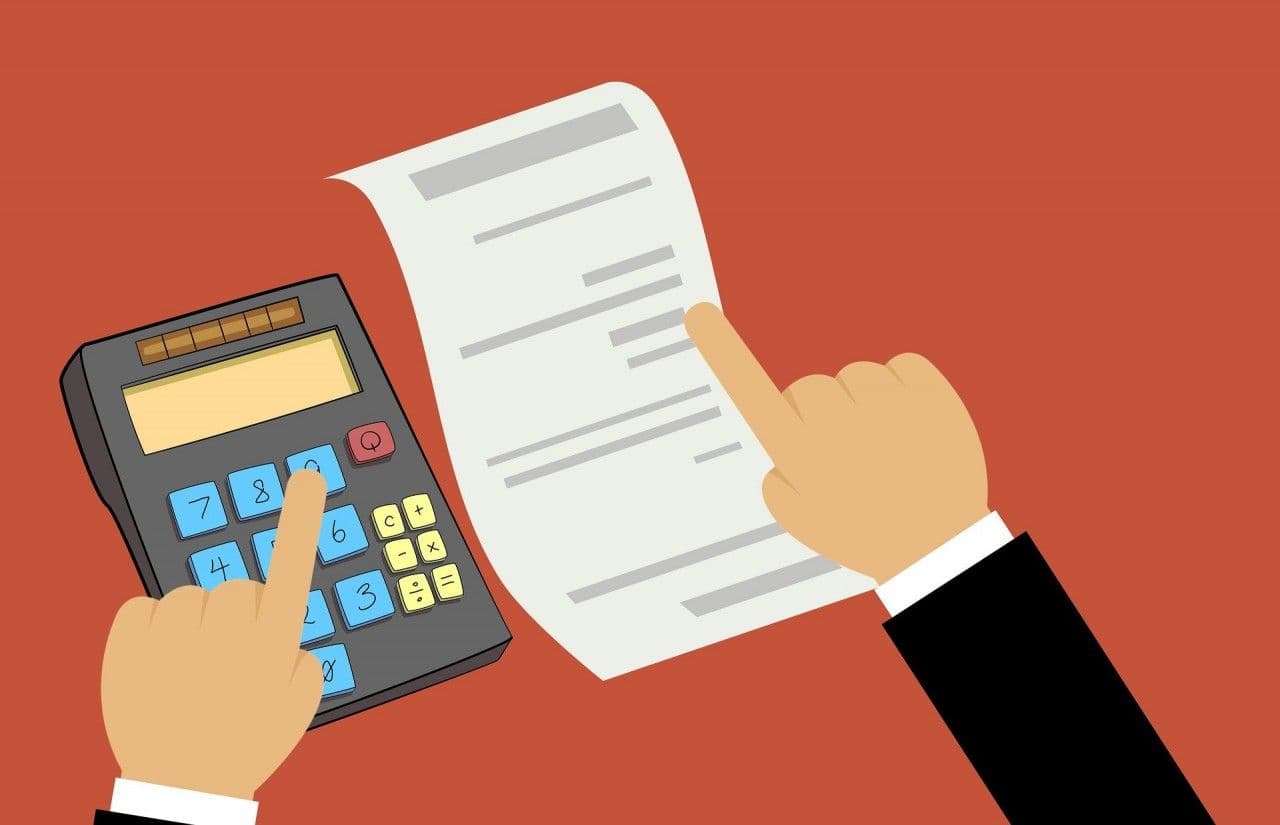
4. Taxes and Compliance: The New Reality
As of January 1, 2026, the Crypto-Asset Reporting Framework (CARF) has been fully implemented across the EU, UK, and several other G20 nations. Exchanges now automatically report your transaction data to tax authorities (like the HMRC or IRS).
How to Stay Compliant:
- Keep Records: Track every trade, swap, and airdrop.
- Use Automation: Manual tracking is nearly impossible with DeFi and staking.
 To avoid penalties and simplify your filings, we recommend using professional tools found in our Crypto Tax Software Comparison
5. Security: Protecting Your Wealth
With institutional adoption comes sophisticated phishing and hacking attempts.
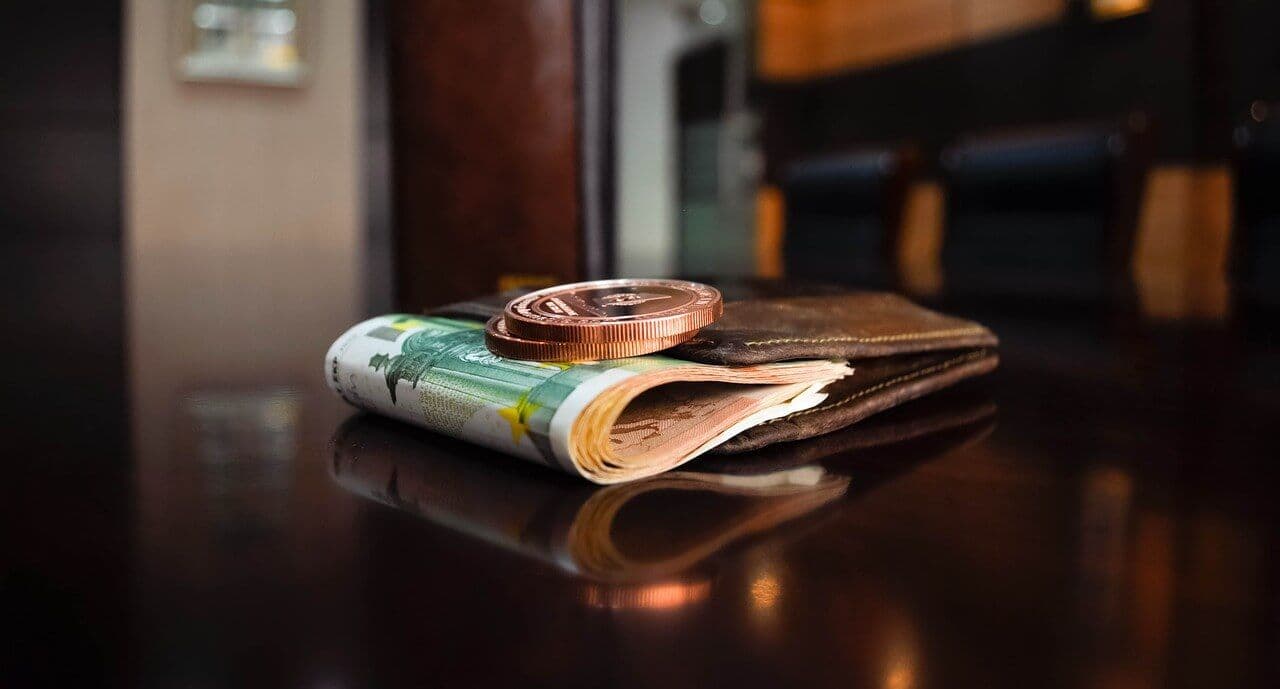
- Self-Custody: For long-term holdings, move your assets off exchanges.
- Hardware Wallets: Use a "cold" wallet for your core positions. These devices keep your private keys offline.
Compare the latest models in our Hardware Wallet Guide to ensure your 2026 gains are secure.
Summary Checklist for Crypto Investing in 2026:
| Task | Frequency | Action |
|---|---|---|
| Market Scan | Daily/Weekly | Watch for macro shifts (Fed rates, ETF flows). |
| Portfolio Rebalance | Quarterly | Sell winners, buy laggards to maintain ratios. |
| Security Audit | Monthly | Update firmware on wallets, change passwords. |
| Tax Logging | Real-time | Use software to sync exchange APIs. |