
Rising US and Israel Tensions with Iran Signal Potential Conflict Escalation and Crypto Volatility
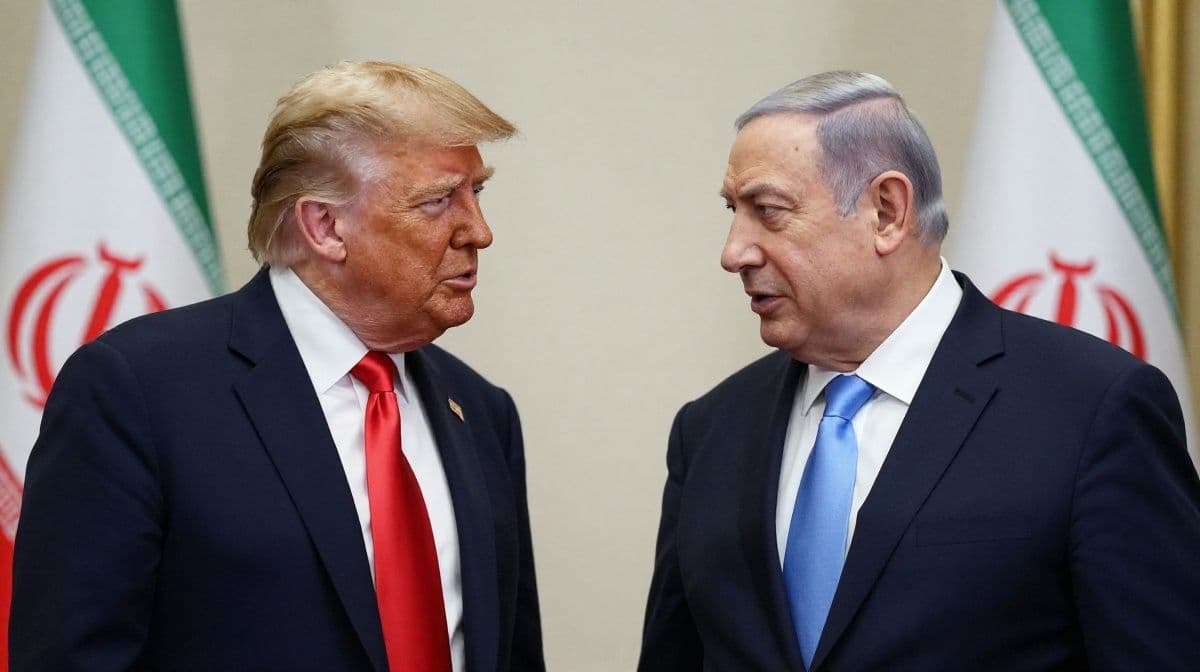
Severe friction in the US-Iran ceasefire talks and ongoing Strait of Hormuz maritime standoffs raise warning signs of a renewed military escalation.




Which topics should we dive deeper into?
Select what genuinely interests you. Your picks feed directly into our editorial planning.
Crypto news that's actually worth your time.
Weekly. 60 seconds. Carefully curated by our editors: no hype, no promo flood, no spam.
Geopolitical instability in the Middle East has reached a fragile inflection point as the temporary ceasefire between the United States, Israel, and Iran faces severe strain. Following the intense military actions earlier this year under Operation Epic Fury, diplomatic channels are stalling. Analysts are monitoring critical warning signs that suggest the U.S. and Israel may resume offensive operations if diplomatic breakthroughs fail. Because digital asset markets operate continuously, this brewing friction has placed the cryptocurrency market on high alert for immediate macro-driven price discovery.
Warning Signs and the Impending Crypto Reaction
The primary warning signs of a potential renewed U.S.-Israeli military campaign against Iran include a breakdown in mediated peace talks, aggressive U.S. maritime interdictions, and escalatory threats from the Islamic Revolutionary Guard Corps (IRGC). Should these frictions trigger a fresh wave of kinetic strikes, the cryptocurrency market is highly likely to experience an immediate, leverage-driven "risk-off" liquidation. This initial shock typically causes sharp downward pressure across major digital assets before the market stabilizes to reprice the broader inflationary impact of the conflict.
Stalled Diplomacy and Maritime Interdictions
The current baseline of friction has shifted from open warfare to an aggressive game of economic and military brinkmanship. Mediated peace negotiations brokered by international intermediaries in Tehran have hit a significant wall. Representatives from both Washington and Tehran confirm that deep, unresolved gaps remain regarding Iran's highly enriched uranium (HEU) stockpiles and legal sovereignty over the Strait of Hormuz.
This diplomatic impasse is translating directly into tactical friction on the water. U.S. Central Command (CENTCOM) forces recently executed high-profile maritime operations, with U.S. Marines boarding and seizing the Iranian-flagged oil tanker M/T Celestial Sea and the sanctioned M/T Skywave on suspicions of breaching the American naval blockade. In direct response to these seizures, senior IRGC leadership issued explicit public ultimatums, threatening to expand the military theater "far beyond the region" if U.S. and Israeli airstrikes resume.
Concurrently, regional proxies continue to trade blows. The Israeli military has stepped up air campaigns targeting command infrastructure in the Levant, further indicating that regional forces are preparing for a potential breakdown of the April-instituted ceasefire.
What Happens to Crypto if Conflict Resumes
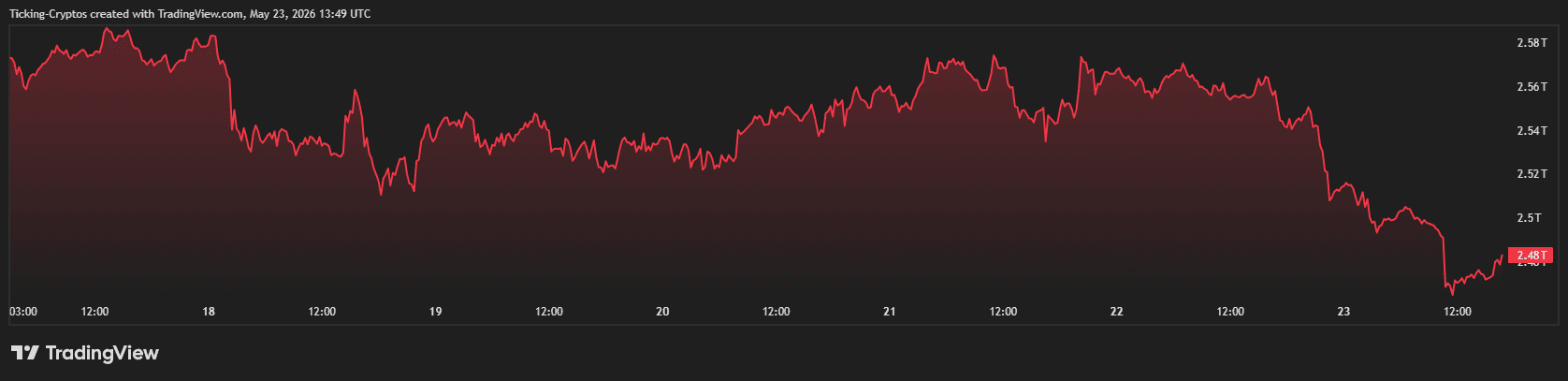
The crypto market already got hit by the current news as most cryptos lost more than 4% in the past 24 hours alone.
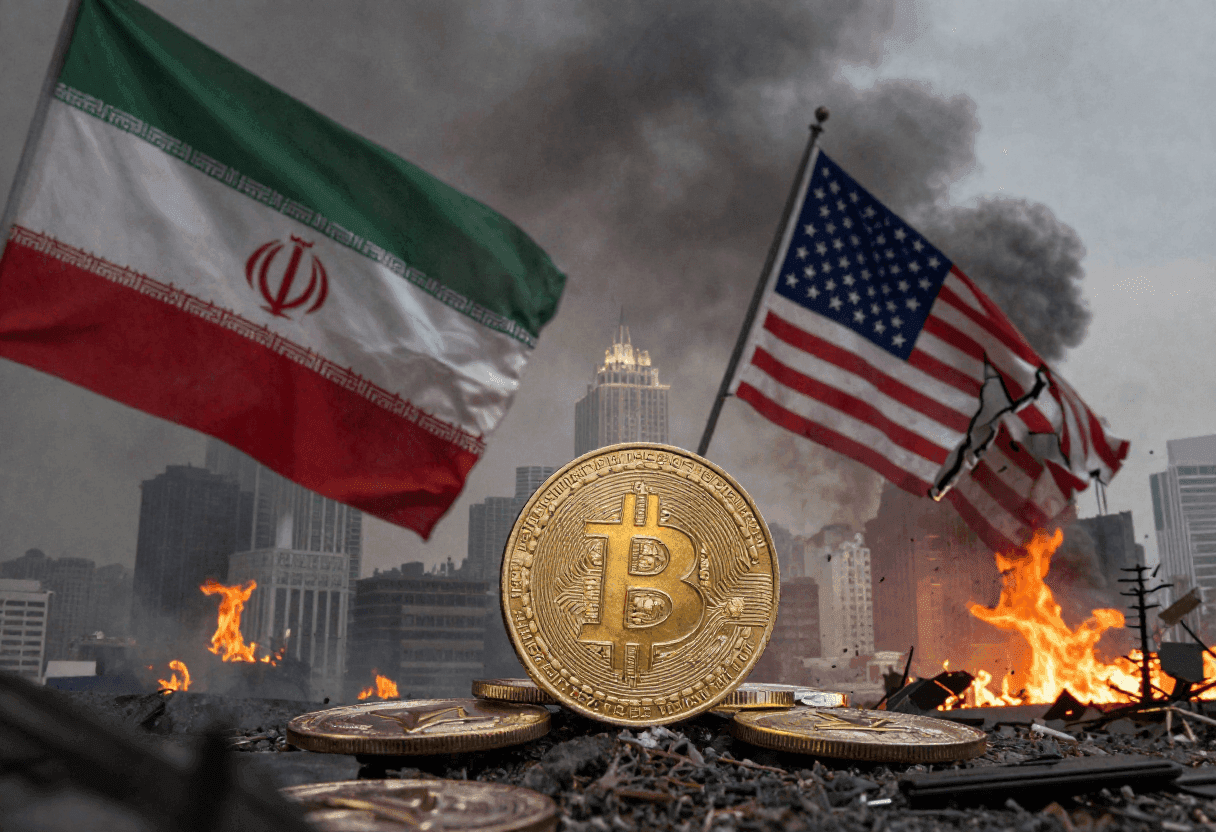
If the U.S. and Israel launch a coordinated offensive, the economic fallout will flow through specific market structure pathways, directly altering the digital asset landscape:
1. The Oil-Driven Inflationary Impulse
An escalation directly threatens infrastructure around the Strait of Hormuz. A disruption to global energy supplies instantly spikes crude oil prices. Higher energy costs reinforce a "higher-for-longer" inflationary outlook, prompting central banks to tighten global liquidity. When systemic liquidity contracts, highly speculative risk assets—including cryptocurrencies—traditionally face structural valuation compression.
2. The 24/7 Liquidation Cascade
Because traditional equity and commodities exchanges observe fixed operating hours, cryptocurrency markets serve as the primary, real-time macro barometer during weekend or overnight geopolitical shocks. If a military strike occurs when legacy markets are closed, investors universally utilize liquid crypto pairs to hedge systemic risk. This triggers an immediate unwinding of leveraged long positions. Forced margin liquidations accelerate downside volatility, creating rapid intraday price drops.
3. Asymmetric Regional Demand vs. Institutional Flight
While global institutional capital typically flees volatile assets in favor of cash-equivalent stablecoins, local dynamics paint a different picture. In directly impacted jurisdictions, domestic trading volumes often spike as citizens look to convert deteriorating fiat currencies into borderless digital assets or alternative settlement networks to preserve short-term purchasing power.
Related articles
- $1 Trillion Wiped From US Stocks at Open as Iran Strikes US Bases — Is Crypto Next?
- Why Is Crypto Crashing Today: US Strikes on Iran and a Collapsing Ceasefire
- Iran Strikes Oil Tankers in Strait of Hormuz: Will Crypto Prices Crash on Monday?
- Trump Says US-Iran Deal Is Days Away: What It Means for Crypto
- Bitcoin Price Breaks $64,000: Is the Iran Truce Really the Reason?
Which topics should we dive deeper into?
Select what genuinely interests you. Your picks feed directly into our editorial planning.
Crypto news that's actually worth your time.
Weekly. 60 seconds. Carefully curated by our editors: no hype, no promo flood, no spam.

July 12, 2026 10:17 AM
Why Is Crypto Holding Steady as US-Iran Strikes Escalate?
Bitcoin is barely moving even as the US strikes Iran again and Tehran closes the Strait of Hormuz. Here is what is driving the crypto market today.
June 10, 2026 5:18 PM
Trump Warns Iran Will "Pay the Price" After Helicopter Downing: Crypto and Global Markets React
Donald Trump warns Iran will pay the price after a US helicopter downing, triggering military strikes and volatility across crypto and global markets.
April 18, 2026 12:59 PM

Iran Closes Strait of Hormuz Again: Oil Rises as Crypto Crash
Iran has officially closed the Strait of Hormuz citing a US blockade. Oil prices jumped to $83 while Bitcoin dropped to $76,000 amid rising geopolitical tension.
January 21, 2026 5:32 PM

EU–US Economic Conflict Sparks Sharp Crypto Market Sell-Off
Crypto markets sold off sharply as EU–US economic tensions escalated, triggering volatility across Bitcoin, Ethereum, and major altcoins.
March 31, 2026 7:57 PM

What Threat Could Crash the Crypto Market? War-End Rally Faces Hidden Risk
Crypto markets surge on war-end hopes, but threats to US companies and rising oil prices could trigger a sudden crash.
June 20, 2026 4:18 PM
Crypto Prices on Edge as Iran Claims Strait of Hormuz Closure — Again
Iran says it's closed the Strait of Hormuz again; the US denies it. Here's the latest crypto prices and how the geopolitical yo-yo could move markets.
September 9, 2026 10:21 AM

Bitcoin Price Frozen Near $79,000 as Oil and War Risk Rewrite the Macro Playbook
Bitcoin price is consolidating near $79,000 while crude oil surges, Hormuz tensions escalate and a Fed rate hike moves into play. Here is what matters.

June 16, 2026 1:03 PM
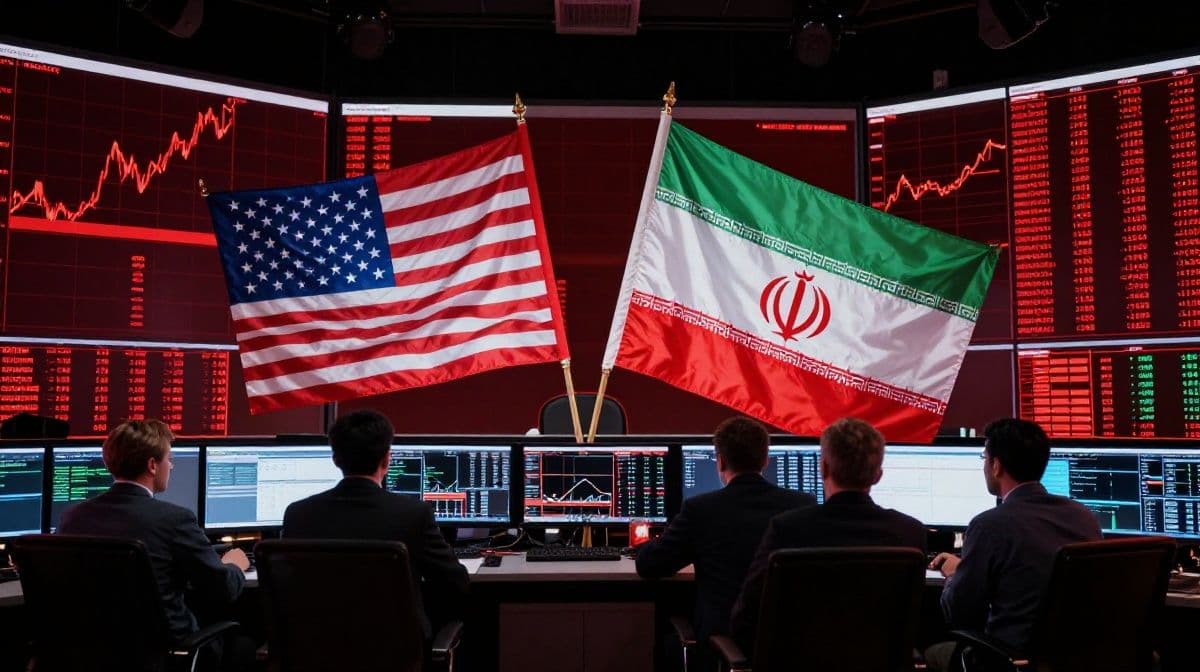
Oil Crashes Below $81 as US–Iran Deal Reopens Hormuz — Bitcoin and Top 10 Cryptos Rally on the Week
Oil crashed nearly 5% on the US–Iran peace deal while Bitcoin and the top 10 cryptos climbed over the past 7 days. Here's the full breakdown.
April 12, 2026 1:00 PM

Saudi Arabia Restores East-West Pipeline: Why This Is a Medium-Term Win for Crypto
Saudi Arabia restores its 7M bpd East-West pipeline, bypassing the Strait of Hormuz. We explore how this energy stability could catalyze a medium-term crypto rally.
September 17, 2026 12:32 PM

Trump Says Oil Will Tumble When the Iran War Ends: What That Would Mean for Crypto
Trump expects the Iran war to end after the midterms and oil to fall hard. Oil is near a four-month high instead. Here is why crypto should still care.
January 29, 2026 5:51 PM
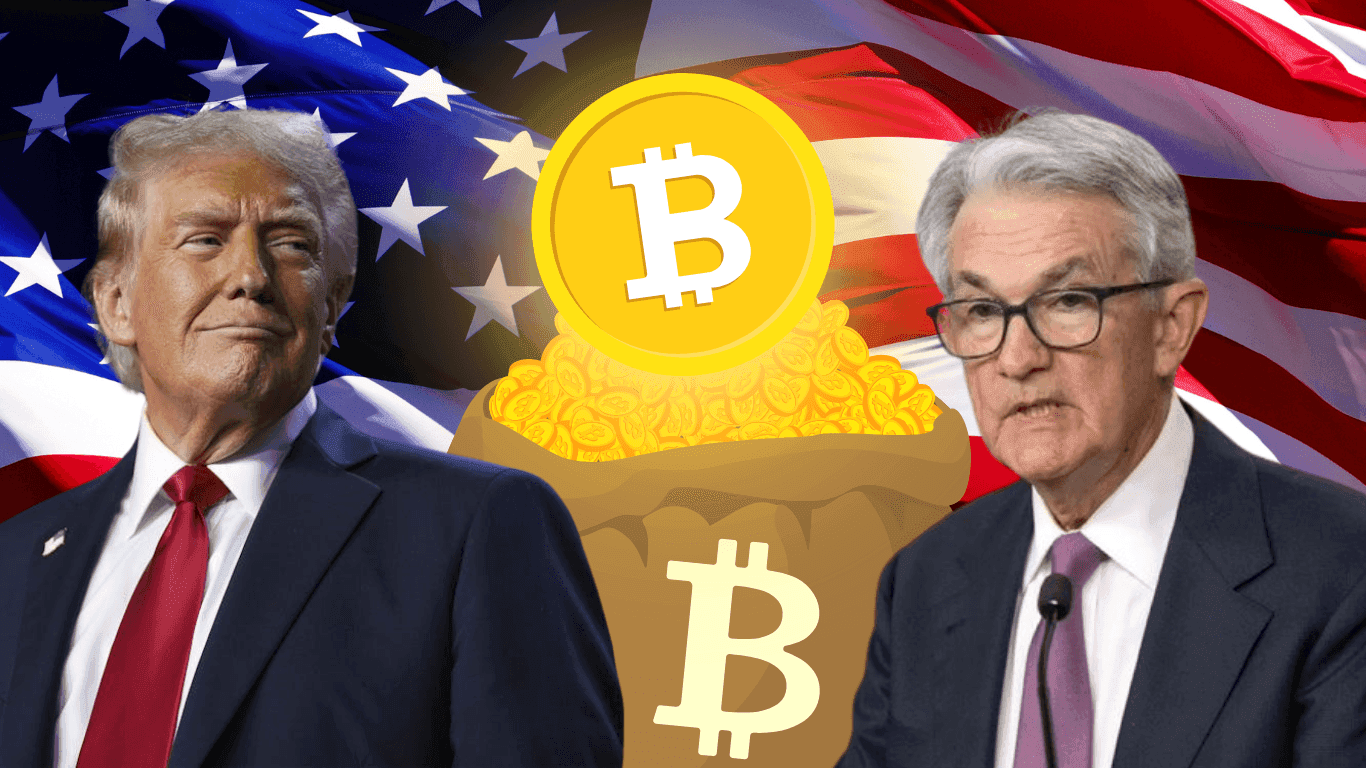
Markets Crash as Fed Uncertainty and U.S. Political Risk Trigger Cross-Asset Liquidation
Markets plunged as Fed leadership uncertainty and U.S. political risk triggered a liquidation wave across gold, equities, and crypto.
June 18, 2026 9:43 AM

Oil Crashes 38% to a 3.5-Month Low — Why This Is Bullish for Crypto
Oil crashed 38% to $74, near pre-war levels. Lower oil means lower inflation and more rate-cut odds — and that's a tailwind for Bitcoin and crypto.
May 24, 2026 11:36 AM
Bitcoin Price Explodes Past $77,000 as Trump Discloses Near-Final Iran Peace Deal
Bitcoin crossed $77,000 following Donald Trump's announcement of a pending peace deal with Iran, triggering $180 million in crypto short liquidations.
March 6, 2026 5:36 PM
Is a Global Liquidity Shock Starting? Oil Surge, War Tensions, and Bitcoin Volatility Explained
Oil surges above $90 as geopolitical tensions rise. Are global markets entering a liquidity shock that could drive volatility in Bitcoin and crypto?
May 5, 2026 11:25 AM

Bitcoin Stability Tested: BTC Holds $80,500 After UAE-Iran Conflict Escalation
Bitcoin stabilizes at $80,500 after a brief 81k breach as Iran-UAE tensions escalate. How are geopolitical risk and oil surges impacting the crypto market?

June 8, 2026 10:12 AM
Why Bitcoin Lagged the Nasdaq Since the US-Iran Conflict Began
Since the US-Iran war began, Bitcoin is down 3% while the Nasdaq rallied 20%, exposing a massive rift between crypto and equities.
March 16, 2026 4:13 PM

Trump Speech Today as Oil Drops and Stocks Surge — Will Bitcoin Be the Next Market Mover?
Oil falls and U.S. stocks surge ahead of President Trump’s speech on the Strait of Hormuz. Could Bitcoin become the next market mover?
April 8, 2026 4:30 PM
Bitcoin Replaces Oil Payments? Iran’s Hormuz Move Could Change Global Finance Forever
Iran may require Bitcoin for oil transit through Hormuz. Could crypto replace USD in global trade? A major shift in finance may be starting.
January 14, 2026 2:47 PM

Crypto Markets on Edge on 14 January 2026: US PPI Surprise Ahead of the Tariff Ruling
Hot US producer prices and a pending Supreme Court tariff ruling kept crypto on edge on 14 January 2026. The ruling came on 20 February, and the Fed later raised rates.
August 10, 2026 6:52 PM
Why Is Crypto Down Today? Iran Shuts the Door on US Talks Until 2029
Crypto gave back its morning gains after Iran ruled out talks with Washington until 2029. Bitcoin lost $65,000, oil jumped 5% and altcoins bled again.
June 21, 2026 12:08 PM
Crypto Price Today: Bitcoin Holds $64K as Strait of Hormuz Tensions Put Market on Alert
Crypto price today: Bitcoin trades near $64K as Iran’s Strait of Hormuz move raises volatility risks for cryptocurrencies.
March 9, 2026 11:59 AM
Saudi Aramco Cuts Oil Production at Two Fields: Global Markets Brace for Impact
Saudi Aramco reduces output at two oil fields due to Strait of Hormuz disruptions, sending oil prices toward $110. Here is how it affects the crypto market.
February 28, 2026 10:20 AM

BREAKING NEWS: Crypto Crash as US and Israel Strike Iran
Crypto markets crashed as the US and Israel launched joint strikes on Iran. Bitcoin fell below $64,000 amid mass liquidations and rising geopolitical tension.
March 16, 2026 12:23 PM

Bitcoin Price Breaches $73,000 as China Rejects Trump’s Strait of Hormuz Coalition
Bitcoin breaches $73,000 as geopolitical tensions rise. China rejects Trump's military coalition request for the Strait of Hormuz, calling for a ceasefire.
February 19, 2026 11:26 AM
Crypto News Today: BTC Slips as US-Iran Tensions and Hawkish Fed Spark "Risk-Off"
Bitcoin struggles near $68,000 as US-Iran geopolitical tensions and hawkish Fed minutes rattle investors. Get the latest crypto news today.


More from CryptoTicker