US Debt Maturity 2026: Why $9.6 Trillion Maturing is a Bullish Market Catalyst
Nearly $9.6 trillion in US debt matures in 2026. Discover why this "debt wall" might actually trigger a massive bull run for Bitcoin and crypto markets.


The $9.6 Trillion "Debt Wall" of 2026
The United States is approaching a fiscal milestone that many analysts have dubbed the "Debt Wall." In 2026, approximately $9.6 trillion in US government debt—representing over 25% of the total outstanding national debt—is set to mature. While headlines often frame this as a looming catastrophe, a deeper analysis suggests that the government’s reaction to this pressure could be the primary fuel for the next leg of the $Bitcoin bull market.
Understanding the 2026 Debt Maturity Schedule
Most of this maturing debt consists of short-term Treasury bills and notes issued during the emergency spending programs of 2020 and 2021. Back then, the Federal Reserve maintained interest rates near zero. Today, the landscape is radically different.
The US government does not "pay off" its debt in the traditional sense; it refinances it. This means issuing new debt to pay back the old. However, rolling over $9.6 trillion in a high-interest-rate environment (currently 3.5%–4.5%) creates a massive "interest trap" for the federal budget.
 Not sure which crypto tax tool to use? See our full comparison and choose with confidence
The $1 Trillion Interest Trap
According to projections from the Congressional Budget Office (CBO), net interest payments on the national debt are expected to surpass $1 trillion in 2026 for the first time in history.
- The Problem: High interest rates make servicing this $9.6 trillion maturing debt incredibly expensive.
- The Consequence: Rising interest costs widen the deficit, forcing the government to issue even more debt just to pay the interest.
- The Solution: The only viable way to reduce this fiscal pressure without massive tax hikes or spending cuts is to lower interest rates.
Why This is Bullish for Crypto and Equities
Historically, when the US Treasury faces a refinancing crisis, the Federal Reserve is pressured to ease monetary policy. Lowering the federal funds rate serves two purposes: it reduces the government's borrowing costs and stimulates the economy.
For investors, lower interest rates mean:
- Cheaper Borrowing: Increased liquidity enters the global financial system.
- Risk-On Sentiment: As yields on "safe" assets like Treasuries drop, capital flows into high-growth assets like Bitcoin ($BTC) and Ethereum ($ETH).
- Currency Debasement: To manage the debt, the money supply often expands, making fixed-supply assets like Bitcoin more attractive as a hedge.
The New Fed Leadership: Kevin Warsh
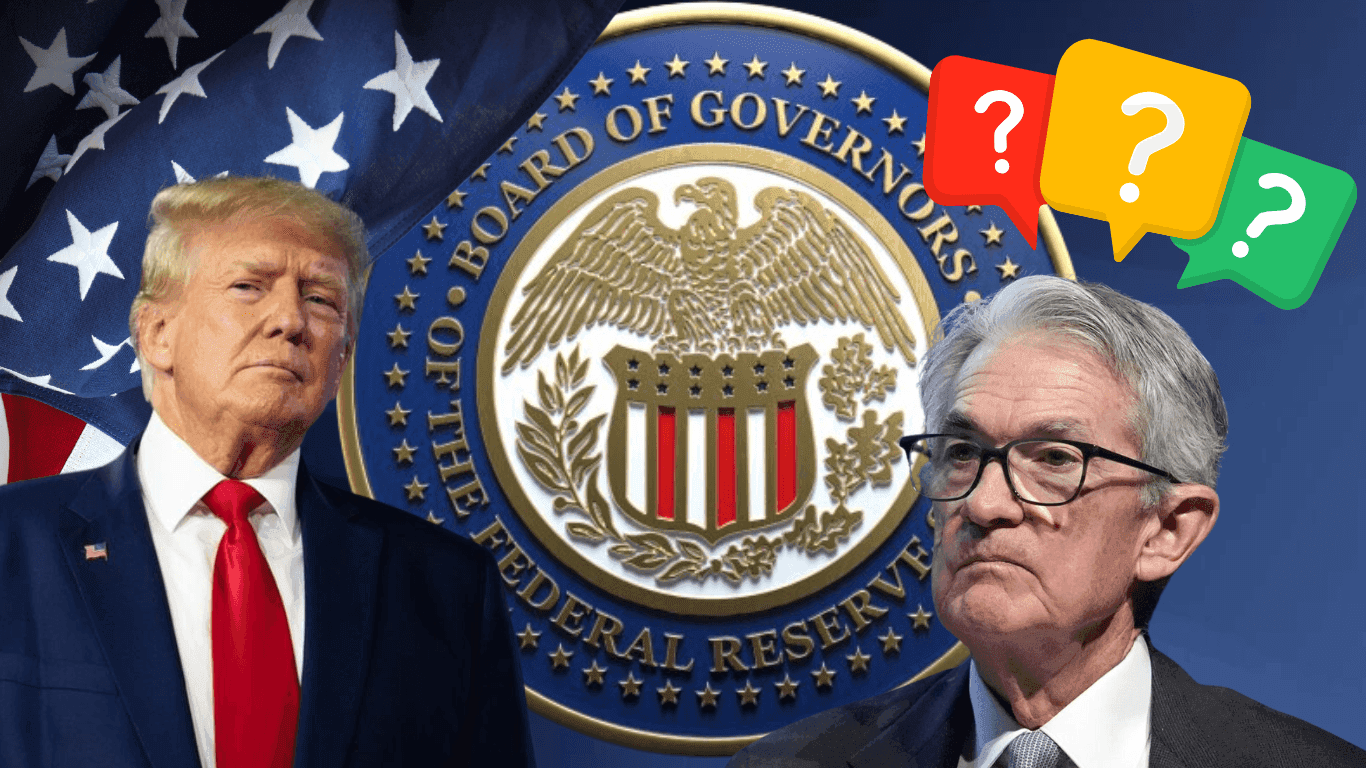
A pivotal shift is expected in May 2026 when President Trump’s nominee, Kevin Warsh, is slated to replace Jerome Powell as the Federal Reserve Chair. Warsh has been vocal about the need for reform and has historically aligned with a "growth-first" mindset. If the Fed pivots toward aggressive rate cuts by Q2 or Q3 of 2026 to accommodate the debt refinancing, the market could see a parabolic move.
Market Outlook: Q2 and Q3 2026
The "debt wall" creates a mechanical necessity for lower rates. While the start of the year may be volatile as the market digests the sheer volume of Treasury auctions, the latter half of 2026 is shaping up to be a period of intense liquidity injection.
Conclusion
The $9.6 trillion debt maturity is not a sign of an impending crash, but rather a catalyst for a forced monetary pivot. As the US government moves to save itself from its own interest payments, the resulting "cheap money" environment will likely benefit the cryptocurrency market and other risk-on assets significantly.