Silver Crash Today: What Triggered the Collapse and Why Markets Are on Edge
Silver crash today wipes over $1 trillion in value as forced liquidations hit metals, crypto, and ETFs. Here’s what really triggered the move.


Silver Crash Today Sends Shockwaves Across Global Markets
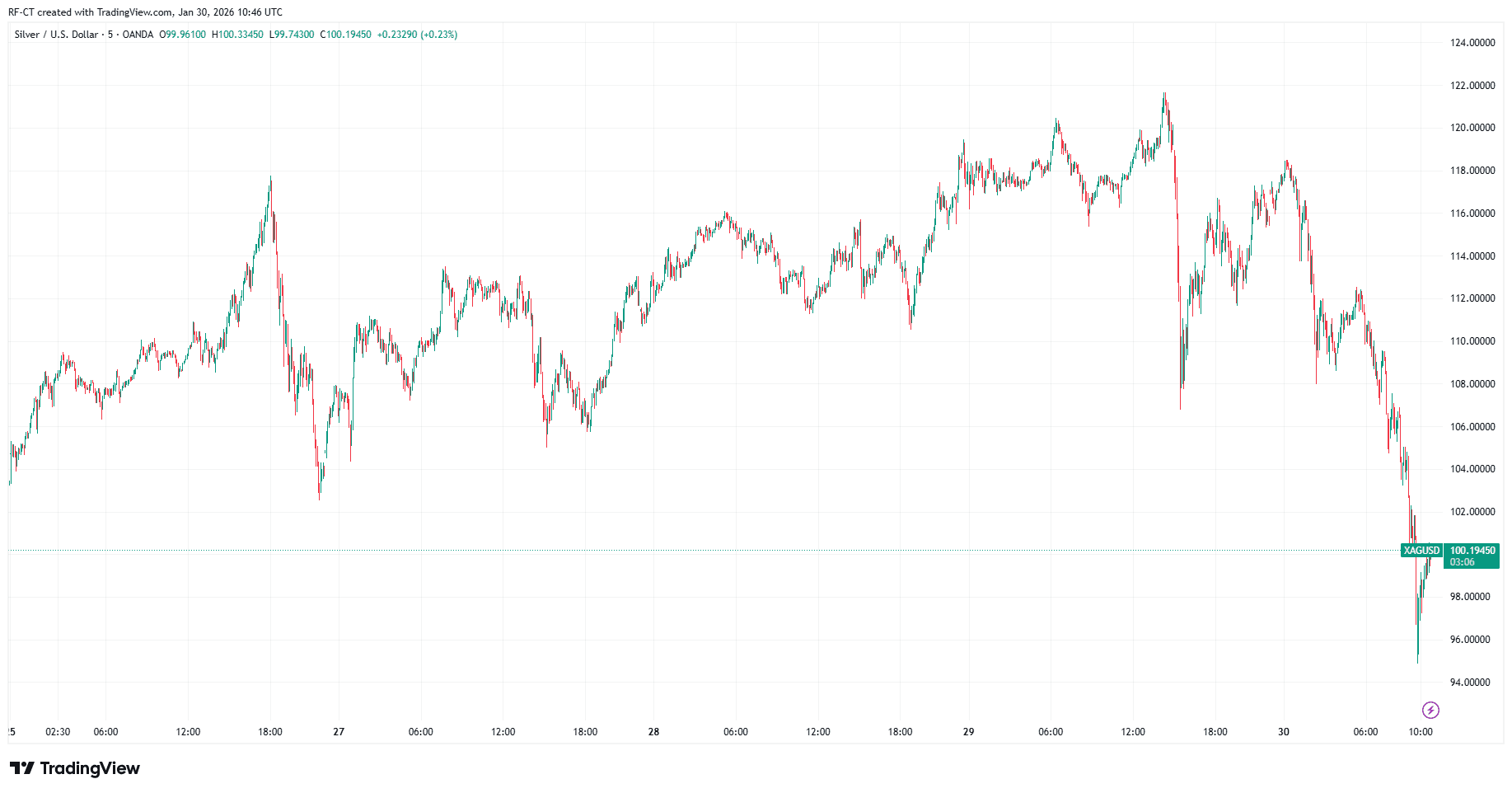
The Silver crash today has become one of the most violent market events of the year, with over $1.1 trillion erased from Silver markets in less than 24 hours. Prices collapsed rapidly, triggering widespread liquidations and sending shockwaves across gold, crypto, and broader risk assets.
This was not a slow correction or sentiment-driven pullback. The speed and scale of the move point clearly to forced selling and leverage unwind, not a fundamental breakdown in silver demand.
What Caused the Silver Crash Today?
The primary driver behind the Silver crash today was excessive leverage, particularly in futures and derivatives markets. As prices began to slip, margin calls accelerated the downside, forcing large positions to unwind rapidly.
One high-profile example included the full liquidation of an $11 million Silver long position, highlighting how aggressively leverage was flushed from the system. Once liquidation thresholds were breached, selling became mechanical — not discretionary.
This type of price action typically occurs when:
- Long positioning is crowded
- Volatility spikes unexpectedly
- Liquidity thins during fast market moves
Silver, known for thinner liquidity compared to Gold, amplified the impact.
Gold Followed — But This Was Not a Safe-Haven Failure
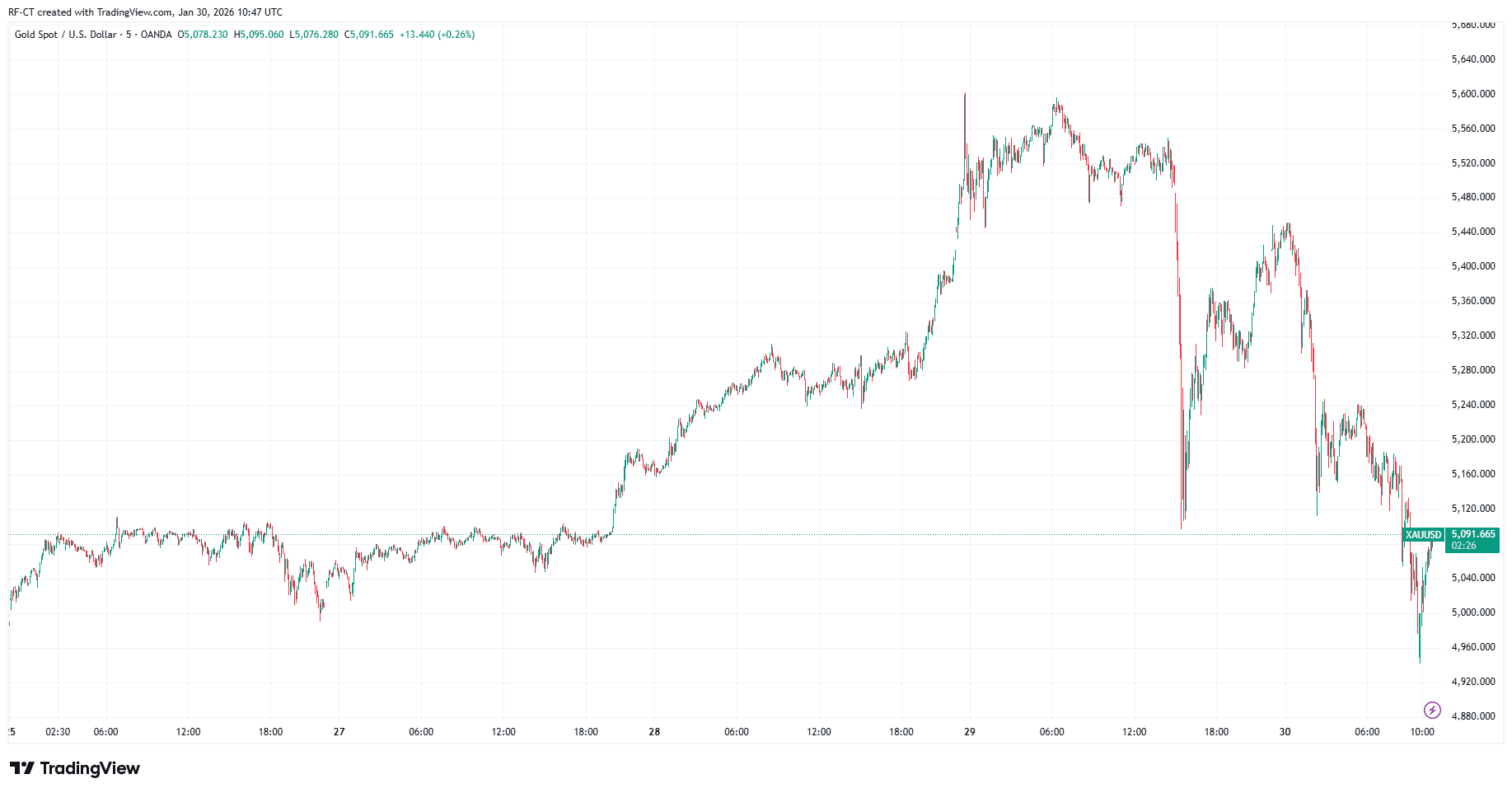
Gold also sold off sharply, erasing roughly $4 trillion in market value during the same window. While this may appear contradictory during periods of market stress, history shows that Gold often sells alongside risk assets during leverage cascades.
In these moments, assets are sold not because investors have turned bearish — but because capital is needed elsewhere. Gold’s decline confirms that today’s move was about margin pressure, not a rejection of safe havens.
Crypto Reacts as Liquidity Stress Spreads
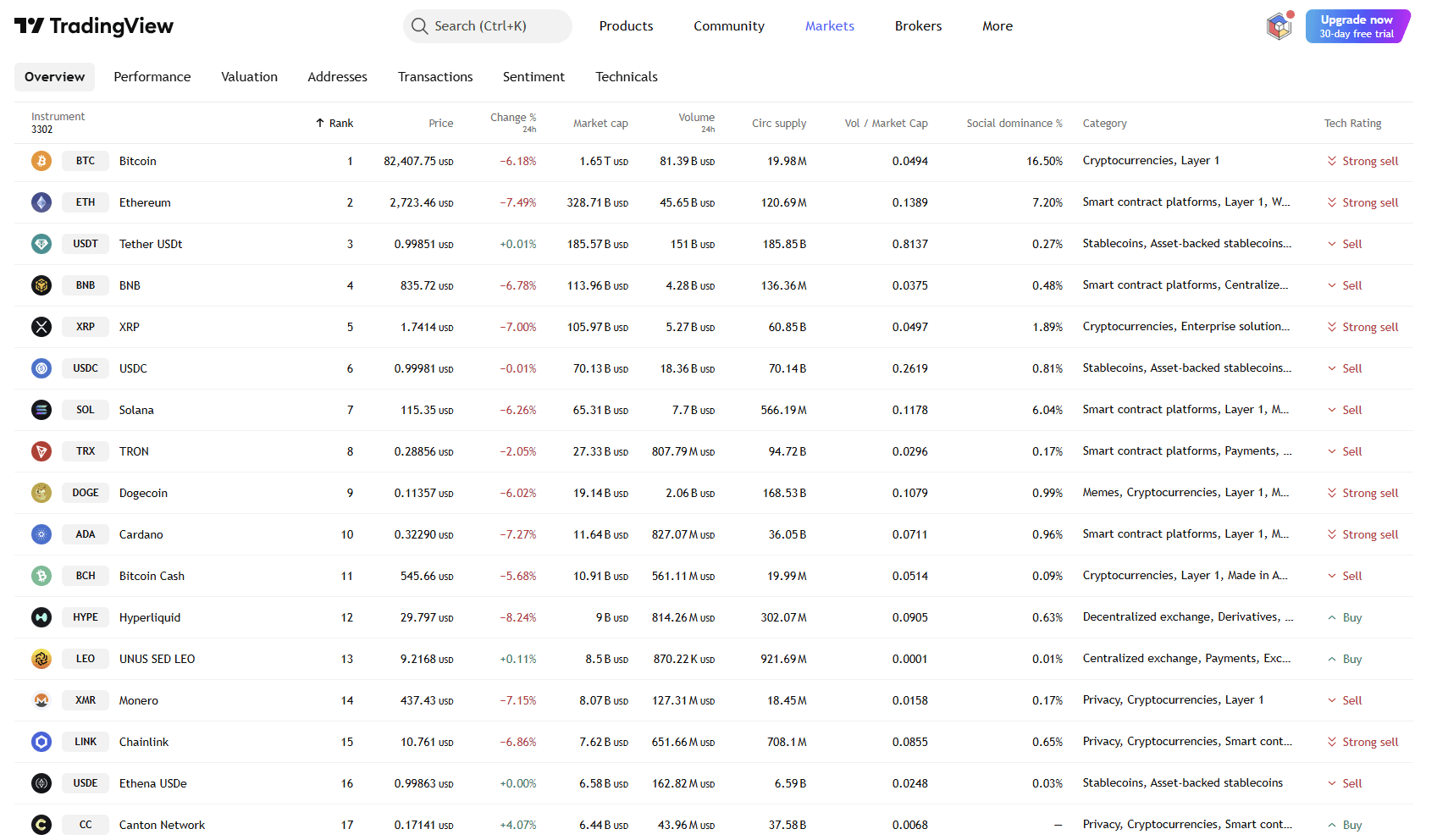
As metals collapsed, crypto markets quickly followed. Over $770 million worth of crypto long positions were liquidated in under 30 minutes, reinforcing crypto’s role as a high-beta liquidity release valve during cross-asset stress events.
Bitcoin and major altcoins declined alongside metals, but the move mirrored broader deleveraging rather than any crypto-specific catalyst.
ETF Outflows Add to Market Pressure
Further pressure came from the ETF space, where Bitcoin ETFs recorded over $800 million in net outflows, marking one of the largest daily exits since launch.
Importantly, these outflows align with risk reduction and portfolio rebalancing, not panic selling. In periods of volatility, ETFs often act as the fastest instrument for institutions to adjust exposure.
Strong Hands Step In as Weak Hands Exit
While leveraged positions were forced out, not all players were selling.
El Salvador announced the purchase of $50 million worth of Gold during the downturn — a clear example of strategic accumulation amid volatility. At the same time, major crypto exchanges reiterated balance-sheet strength measures, echoing similar actions taken during prior market stress periods.
This divergence between forced sellers and long-term accumulators is often a hallmark of late-stage liquidation events.
What the Silver Crash Today Really Signals
Despite the severity of the move, the Silver crash today does not signal a long-term breakdown in metals or risk assets. Instead, it reflects a market-wide reset of leverage after months of aggressive positioning.
Key takeaways:
- This was a liquidity and leverage event, not a macro trend reversal
- Safe havens selling confirms margin stress, not loss of confidence
- Volatility-driven flushes often precede market stabilisation
Markets are repricing risk tolerance, not value.
Final Thoughts
The Silver crash today stands as a reminder that when leverage builds across markets, even traditionally defensive assets are vulnerable to sudden, violent moves. While the headlines focus on losses, the deeper signal lies in who was forced to sell — and who quietly bought.
As volatility resets positioning, attention now shifts to whether markets stabilise — or whether further deleveraging lies ahead.
Disclaimer: This article is a news report and price analysis and does not constitute financial advice. Cryptocurrency markets are highly volatile. Options expiry data is based on current exchange snapshots and can change rapidly. Always conduct your own research (DYOR) before trading.