New Fed Chair: Will It Be Kevin Warsh — and What Would That Mean for Crypto?
Markets brace for a new Fed Chair as Bitcoin drops below $82K. With Kevin Warsh leading the odds, what could his appointment mean for crypto?
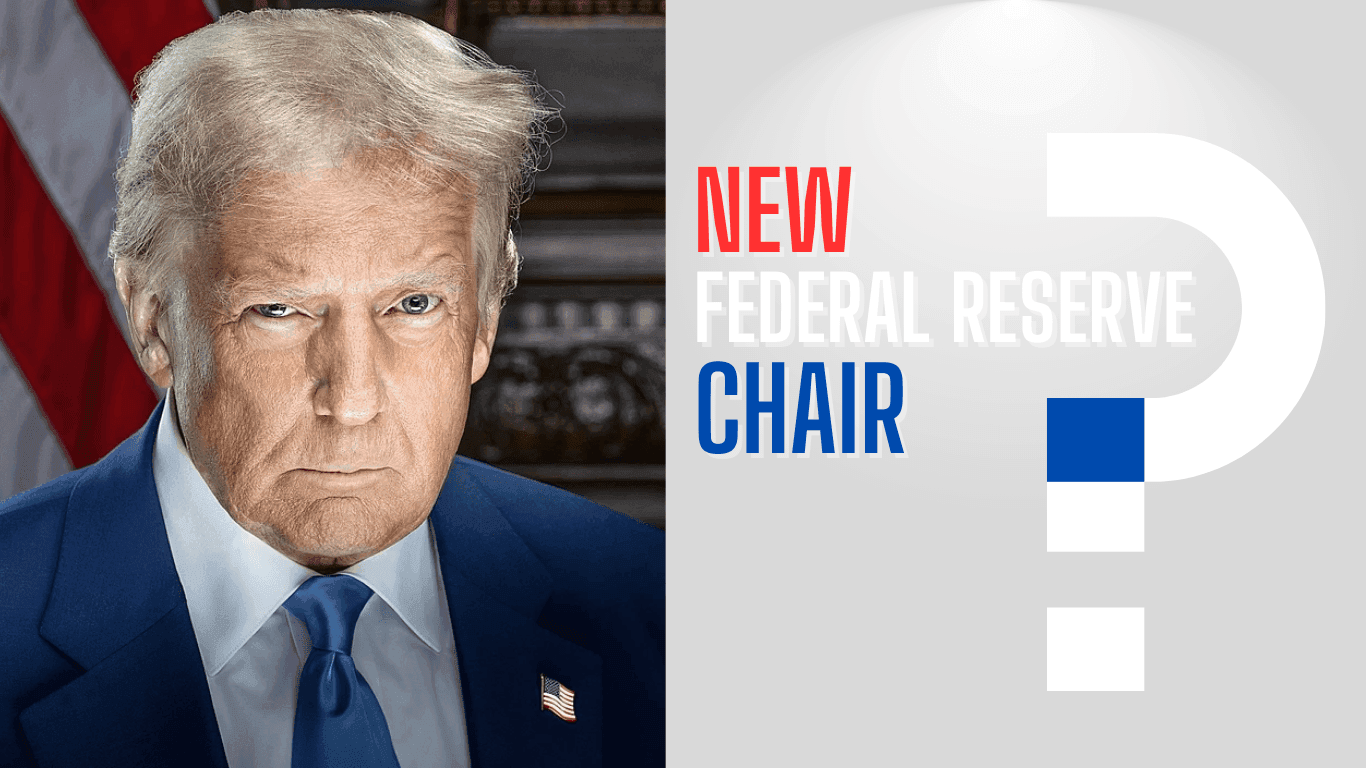

Crypto Markets React Ahead of Key Fed Decision
Crypto markets are under heavy pressure as investors position ahead of a major macro catalyst: the announcement of the next Chair of the Federal Reserve.
Bitcoin fell below the $82,000 level, triggering over $1.7 billion in liquidations across the crypto market in the past 24 hours, according to market data.
This move was not driven by protocol-specific news or a breakdown in crypto fundamentals. Instead, it reflects a broader risk-off shift, with traders reducing exposure ahead of policy uncertainty tied to U.S. monetary leadership.
Why the Fed Chair Matters So Much Right Now
The Fed Chair sets the tone for:
- Interest-rate policy
- Liquidity conditions
- Risk appetite across global markets
Crypto, now deeply intertwined with macro flows, reacts sharply to any shift in expectations around these variables. With leveraged positioning elevated following Bitcoin’s run toward recent highs, markets were vulnerable to a flush — and the Fed Chair announcement became the trigger.
Kevin Warsh Emerges as the Front-Runner
Prediction markets are currently leaning heavily toward Kevin Warsh as the next Fed Chair, with odds rising sharply in recent sessions.
Warsh previously served as a Federal Reserve Governor from 2006 to 2011 and played a direct role during the 2008 financial crisis. He is widely viewed as a critic of prolonged quantitative easing and ultra-loose monetary policy.
His candidacy aligns closely with the current administration under Donald Trump, who has repeatedly criticised central bank independence and what he views as excessive monetary distortion.
Who Is Kevin Warsh, Really?
Warsh is not a populist and not a crypto advocate — but he is also not ideologically hostile to markets.
Key characteristics:
- Strong focus on inflation control
- Skeptical of long-term liquidity injections
- Believes central banks have inflated asset bubbles
- Emphasises market discipline over stimulus dependence
This positions him as a policy hawk, but one grounded in capital markets rather than regulatory activism.
Kevin Warsh and Crypto: No Embrace, No Crackdown
Importantly for crypto markets, Warsh has never publicly advocated for banning cryptocurrencies.
He has also avoided the aggressive enforcement rhetoric that defined parts of the previous regulatory cycle.
His underlying view can be summarised simply:
crypto gained relevance because trust in fiat systems weakened due to central bank excesses.
That stance implies:
- No immediate pro-crypto policy shift
- No ideological war on Bitcoin
- Less regulatory noise, more monetary discipline
For crypto, that means short-term pressure, but potentially long-term credibility.
Why Bitcoin Fell Before the Announcement
The timing matters.
Markets were already facing:
- Heavy leverage after the $90K zone rejection
- Elevated macro headline risk
- Political uncertainty in Washington
Once Bitcoin slipped below key levels, liquidations accelerated, pulling the broader market lower. This was a positioning reset, not a structural breakdown.
From Powell to Warsh: A Policy Shift
Under Jerome Powell, markets became accustomed to trading expectations — especially hopes of rate cuts and policy pivots.
A Warsh-led Fed would likely mark a shift toward:
- Fewer liquidity-driven rallies
- More emphasis on inflation credibility
- Increased volatility during policy transitions
That environment is harsher for leverage, but often healthier for long-term asset pricing.
What Comes Next for Crypto
Short term
- High volatility following the official announcement
- Potential “sell the rumour, buy the clarity” reaction
- Focus on whether Bitcoin can stabilise above recent lows
Medium term
- Reduced reliance on speculative macro narratives
- Greater importance of real liquidity data and yields
Long term
- If fiat credibility improves, Bitcoin’s role as a hedge strengthens
- If fiscal stress persists, hard assets — including crypto — regain appeal
Conclusion: A Reset, Not a Rejection
The current crypto sell-off reflects macro uncertainty, not a loss of conviction in digital assets.
A Kevin Warsh appointment would not be immediately bullish for crypto — but it could introduce a more predictable and disciplined policy framework. Markets may struggle at first, but clarity often proves more valuable than easy money.
For now, crypto is doing what it does best during macro transitions: repricing risk.