Copper Price Slides as Gold and Silver Crash — What It Signals for Crypto and Markets
Copper prices are sliding as gold and silver suffer a historic selloff. What copper’s weakness reveals about growth, rates, and crypto.
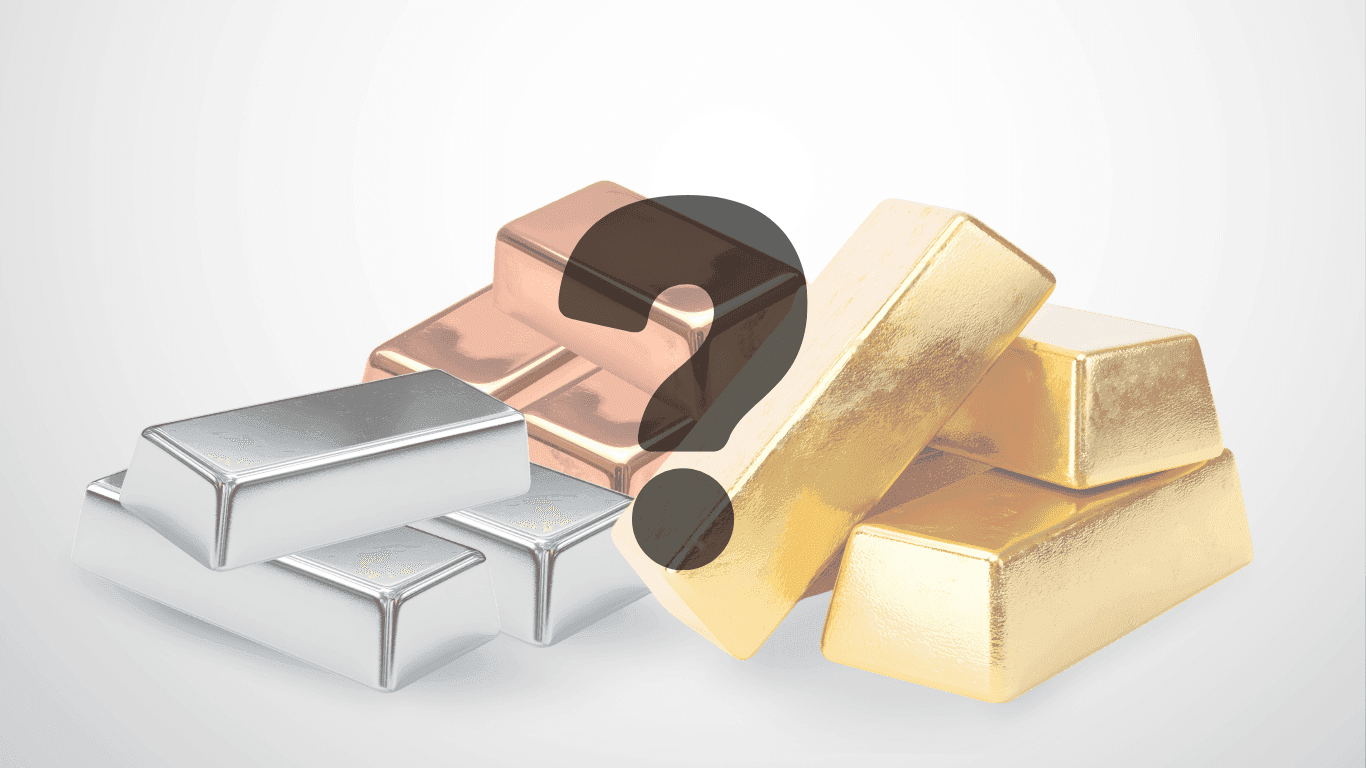

Copper Enters the Spotlight as Metals Face Historic Volatility
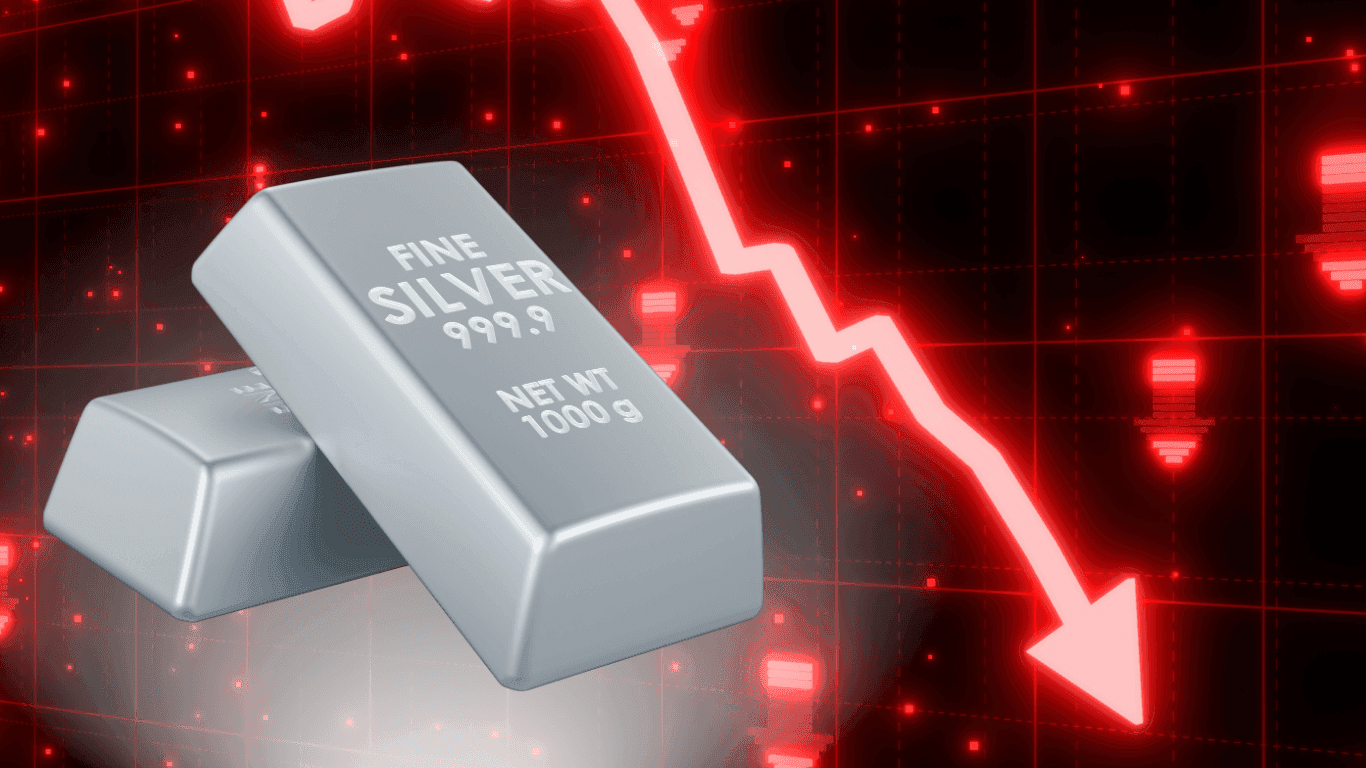
As global markets digest one of the most violent cross asset liquidations in years, attention has largely focused on gold and silver. More than $3 trillion in market value was wiped out from precious metals in just 24 hours, with gold falling below the $5,000 level and silver suffering double digit percentage losses in a matter of days.
Yet beneath the headline chaos, copper has quietly joined the move, and its behavior may be even more telling than the precious metals collapse.
Unlike gold and silver, copper is not a defensive asset. It is deeply tied to industrial activity, infrastructure, manufacturing, and global growth. When copper moves, it tends to reflect expectations about the real economy rather than fear or safe haven demand.
That distinction makes copper’s current weakness an important macro signal.
Copper Is Falling for Different Reasons Than Gold and Silver
The recent gold and silver crash appears driven by forced liquidations, leverage unwind, and stress in paper metals markets. This was evident in the extreme speed of the selloff and in the growing divergence between futures pricing and physical demand, particularly in silver.
Copper, however, is reacting to a different force.
Recent price action suggests markets are reassessing global growth expectations. As rate cut probabilities rise and financial conditions tighten in the short term, investors are pricing in the possibility that monetary easing may be required not because growth is strong, but because it is slowing.
In that context, copper weakness reflects concerns about industrial demand, not a rejection of hard assets as a whole.
A Growth Signal, Not a Safe Haven Breakdown
This distinction is critical.
Gold and silver often rise during uncertainty. Copper rarely does. When copper declines alongside rising expectations for rate cuts, it typically signals that markets are preparing for economic deceleration rather than expansion.
This creates a rare divergence:
- Precious metals collapse under liquidity stress
- Copper weakens on growth concerns
- Crypto shows relative resilience
Such a setup suggests the market is transitioning from a leverage driven environment into a repricing phase, where liquidity expectations dominate while growth signals lag behind.
Fed Leadership Expectations Add Fuel to the Rotation Narrative
The macro backdrop has been further complicated by rising speculation around a shift in Federal Reserve leadership.
Market commentary intensified after statements from Michael Saylor, who suggested that Kevin Warsh could become the first openly pro Bitcoin Chair of the Federal Reserve. At the same time, Donald Trump publicly stated that future rate cuts would not require pressure from the White House, reinforcing expectations of a more market responsive central bank stance.
While these developments remain speculative, markets trade expectations long before policy becomes reality. Risk assets, particularly crypto, tend to react early to such shifts, while industrial commodities like copper wait for confirmation in real economic data.
Why Copper Matters for Crypto and Risk Assets
Copper’s role in this environment is not to lead rallies, but to validate them.
Historically, sustained risk on phases tend to emerge only after copper stabilizes and begins to recover. When copper remains weak, it often signals that liquidity driven rallies may lack economic follow through.
At present:
- Crypto is holding key levels despite broader market stress
- Rate cut expectations are rising
- Copper remains under pressure
This suggests the market may be entering an early rotation phase rather than a full risk on cycle.
What Would Turn Copper Bullish Again?
For copper to become a positive signal, markets would need to see:
- Stabilization in global manufacturing data
- Improving PMI readings
- Declining copper inventories
- Evidence that rate cuts are stimulating activity, not merely preventing deterioration
Until then, copper weakness serves as a cautionary indicator rather than a contradiction to crypto resilience.
Copper as the Reality Check Asset
While crypto responds quickly to shifts in liquidity and sentiment, copper acts as a slower but more grounded macro filter. Its current decline does not negate the possibility of a crypto recovery, but it does suggest that any upside may initially be driven by monetary expectations rather than economic expansion.
In that sense, copper is not flashing a crash signal — it is flashing a sequence warning.
Liquidity may move first. Growth follows later.
Bottom Line
Copper’s slide amid a historic metals selloff highlights a market grappling with slowing growth expectations even as rate cut narratives gain momentum. While crypto appears positioned to benefit from shifting monetary dynamics, copper reminds investors that real economic confirmation has yet to arrive.
For now, copper is not leading the next rally — but it may determine how sustainable it becomes.
Disclaimer: This article is a news report and price analysis and does not constitute financial advice. Cryptocurrency markets are highly volatile. Options expiry data is based on current exchange snapshots and can change rapidly. Always conduct your own research (DYOR) before trading.