Saudi Aramco Cuts Oil Production at Two Fields: Global Markets Brace for Impact
Saudi Aramco reduces output at two oil fields due to Strait of Hormuz disruptions, sending oil prices toward $110. Here is how it affects the crypto market.


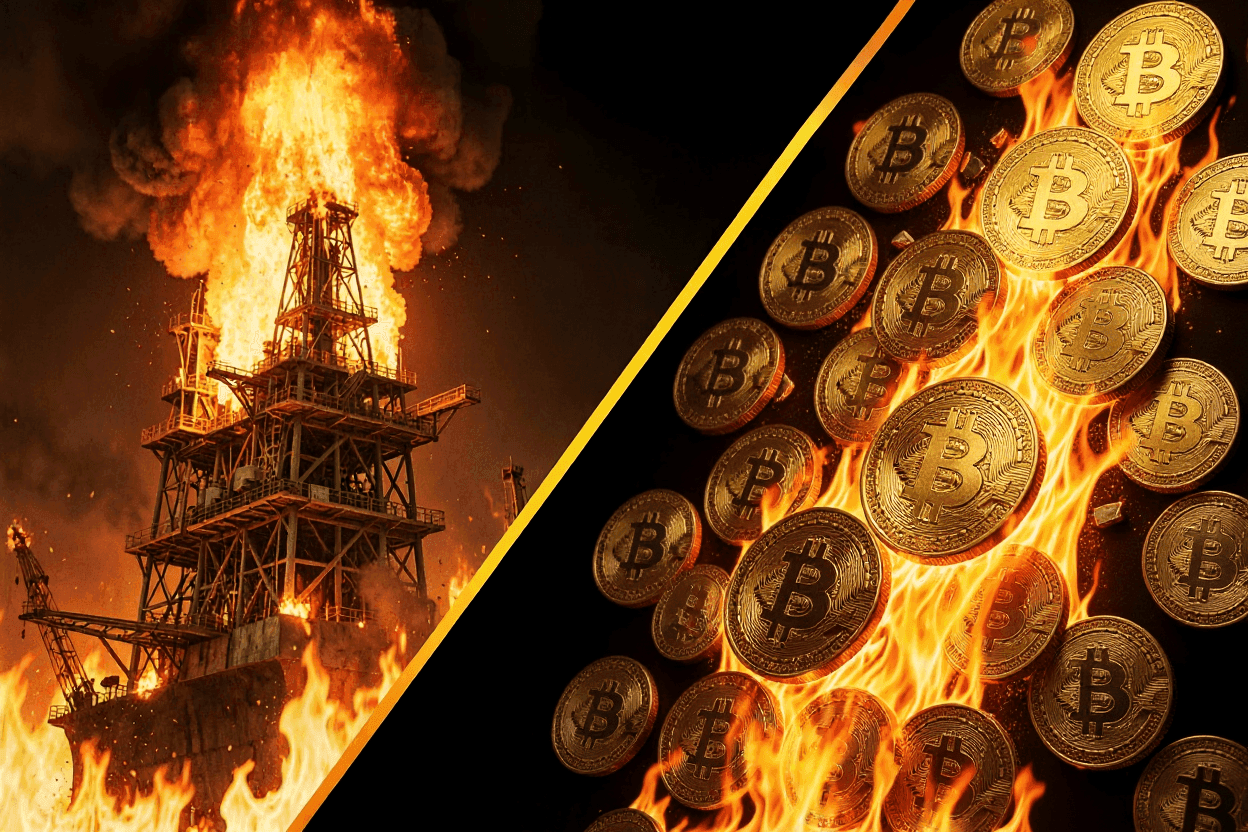
The world’s largest energy exporter, Saudi Aramco, has reportedly begun reducing crude production at two of its major oil fields. According to a recent Reuters report, this strategic shift follows mounting logistical pressures and security concerns in the Strait of Hormuz. As energy markets react to the supply squeeze, the digital asset sector is also feeling the ripples of this macroeconomic shock.
Why is Aramco Cutting Production?
The decision to curb output stems from the escalating conflict in the Middle East, which has rendered the Strait of Hormuz—a transit point for 20% of the world's oil—virtually impassable.
- Storage Constraints: With export routes throttled, Saudi Arabia's domestic storage capacity is reaching its limits.
- Rerouting Challenges: While Aramco is rerouting shipments to the Red Sea port of Yanbu, the East-West Pipeline’s capacity is insufficient to offset the Gulf's closure.
- Force Majeure: This move follows similar actions by Kuwait and the UAE, signaling a coordinated regional scale-back to manage surplus inventory that cannot be shipped.
Oil Production Impact on the Crypto Market
Historically, energy shocks create a "risk-off" environment in global financial markets. As oil prices surge toward $110 per barrel, investors often flee volatile assets like cryptocurrencies in favor of safe havens like gold.
1. Bitcoin’s Correlation with Energy
As inflation fears rise due to soaring energy costs, $Bitcoin initially faced downward pressure, dipping below the $66,000 mark. High energy prices increase the cost of Bitcoin mining, potentially squeezing profit margins for industrial miners and leading to sell-side pressure to cover operational expenses.
2. The Inflation Hedge Narrative
Conversely, if the oil-induced inflation becomes persistent, the narrative of Bitcoin as "digital gold" could resurface. While the immediate reaction is often a price drop, long-term scarcity may attract capital looking for a hedge against devaluing fiat currencies.
3. Market Volatility
The broader crypto market cap has already seen a 1.8% decline following the news. Traders are advised to monitor crypto exchange comparison metrics to ensure liquidity during these high-volatility periods.
What will happen to Crypto Prices?
The Aramco production cuts mark a significant turning point in the 2026 energy crisis. For the crypto industry, the path forward depends on whether $BTC can decouple from traditional "risk-on" equities or if it will remain tethered to the broader macroeconomic fallout of the Middle East conflict.