MegaETH Mainnet Live: Can Ethereum Finally Beat Solana’s Speed?
MegaETH mainnet is live as of February 9, 2026! Can this "real-time" Layer 2 hitting 100,000 TPS finally outperform Solana? Find out in our MegaETH guide.
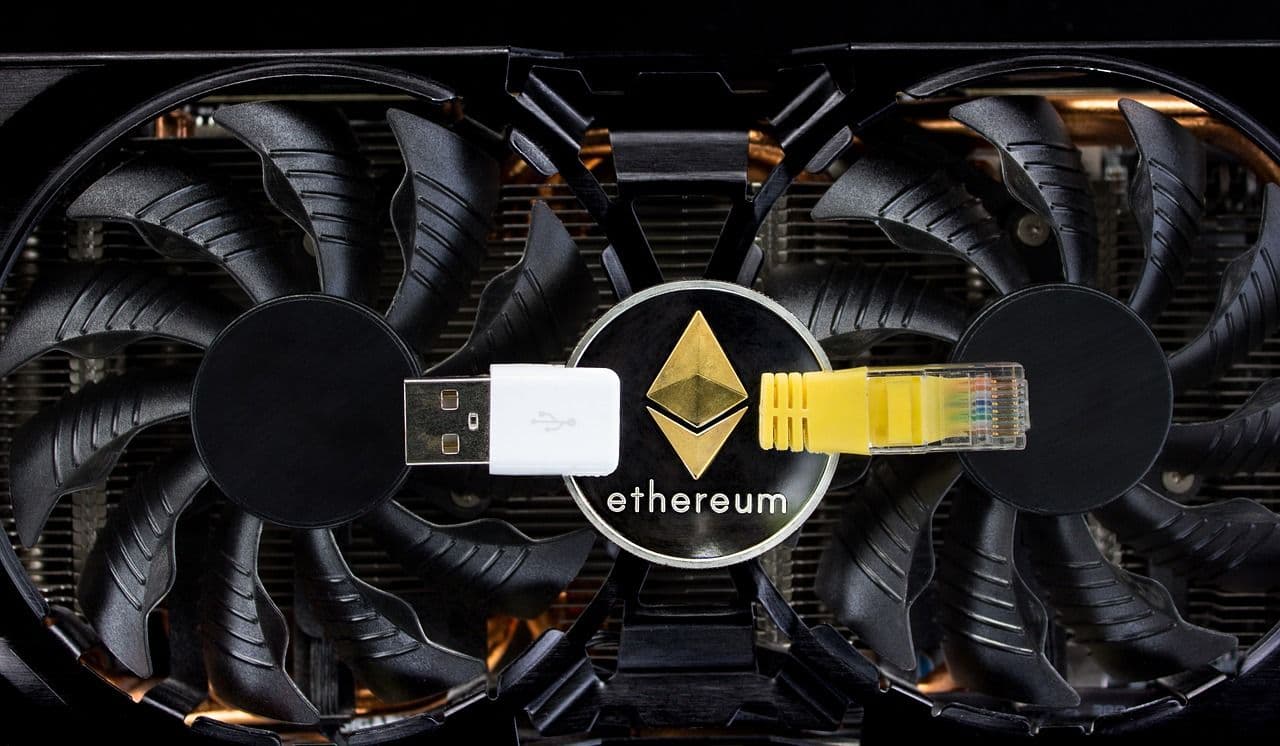

The long-standing debate over blockchain speed reached a fever pitch on February 9, 2026, with the official public launch of the MegaETH mainnet. Positioned as the world’s first "real-time" blockchain, MegaETH is not just another scaling solution; it is a direct challenge to high-speed Layer 1 networks like Solana. Backed by industry titans including Vitalik Buterin and Joe Lubin, the network aims to bridge the gap between decentralized security and the millisecond responsiveness of centralized web servers.
What is MegaETH?
MegaETH is a high-performance Ethereum Layer 2 (L2) designed to achieve a staggering 100,000 transactions per second (TPS) with sub-millisecond latency. While traditional L2s focused on reducing fees via batching, MegaETH re-engineered the execution layer itself. It utilizes a "Streaming EVM" to process transactions continuously rather than waiting for discrete block intervals, making it the fastest EVM-compatible chain in existence.
Real-Time Execution vs. Traditional Scaling
To understand why MegaETH is a "Solana-killer" contender, we must define Real-Time Execution.
- Standard L2s: Networks like Arbitrum or Optimism often have block times of 0.25 to 2 seconds.
- Solana: Known for its 400ms block times and parallel processing.
- MegaETH: Introduces 10ms "Miniblocks," providing near-instant feedback to users.
This architectural shift allows developers to build applications that were previously impossible on Ethereum, such as high-frequency trading (HFT) platforms and complex, fully on-chain multiplayer games.
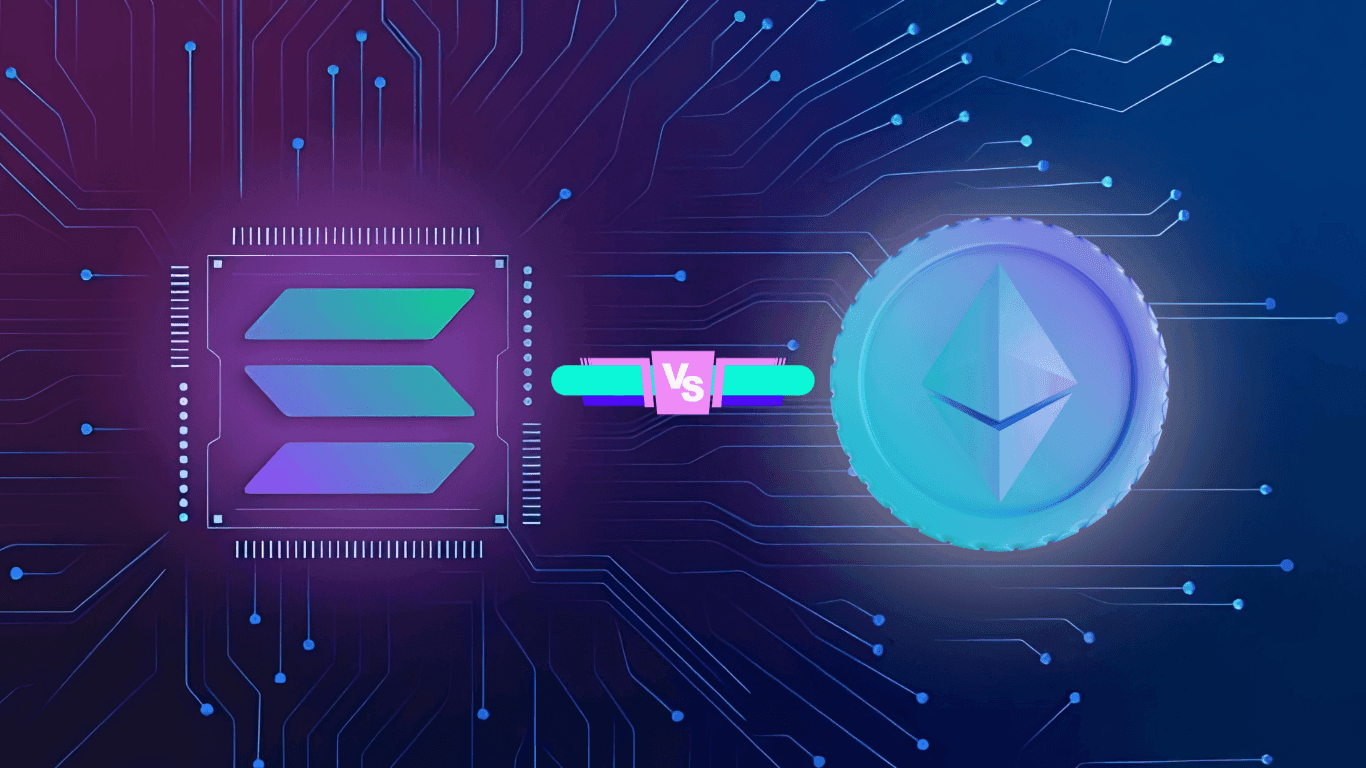
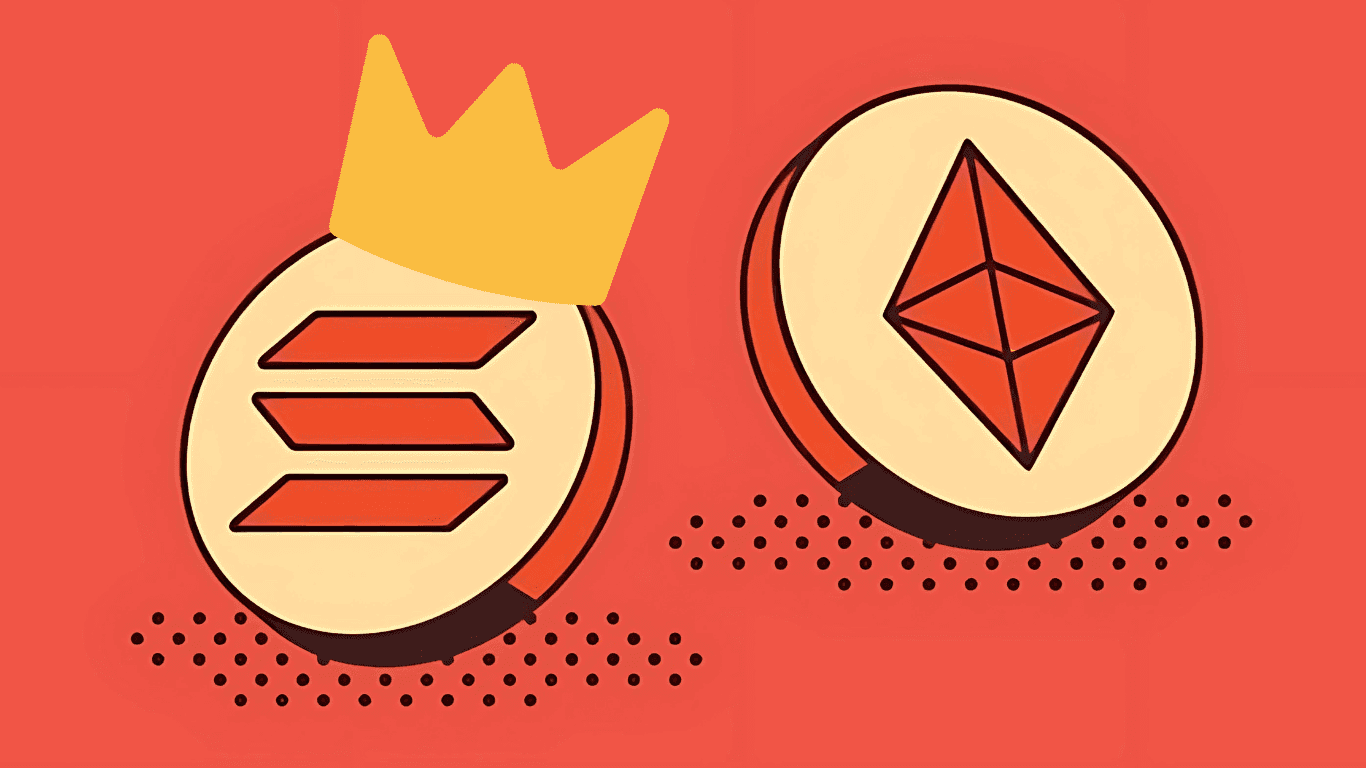
MegaETH vs. Solana – The Speed Showdown
The primary question for investors and developers is whether MegaETH can truly unseat Solana as the king of speed.
| Feature | Solana (L1) | MegaETH (L2) |
|---|---|---|
| Max Theoretical TPS | 65,000 | 100,000 |
| Real-World TPS | ~3,000 - 4,000 | ~35,000+ (Stress Test) |
| Block Time / Latency | 400ms | 1ms - 10ms |
| Ecosystem | Non-EVM (Rust) | Full EVM (Solidity) |
| Security Foundation | Independent Validators | Ethereum L1 |
MegaETH’s advantage lies in its EVM compatibility. While Solana requires developers to learn Rust, MegaETH allows the massive city of Ethereum developers to migrate their dApps to a high-speed environment without rewriting a single line of code.
The "Vitalik Pivot" and L2 Fragmentation
Interestingly, the launch comes at a time when Vitalik Buterin has expressed concerns regarding L2 fragmentation. While he is an early investor in MegaETH, his recent comments suggest that L2s must offer "unique value" beyond just scaling. MegaETH answers this by focusing on ultra-low latency, a niche that the base Ethereum layer (L1) cannot fill even with future upgrades like the "Beam Chain."
 Buy and Sell cryptos using the best crypto exchanges. Check out our comparisons here
The "MegaMafia" Ecosystem
With over 50 applications live at launch via the Rabbithole (MegaETH’s ecosystem frontend), several sectors are set to explode:
- Real-Time DeFi: Platforms like Valhalla and GTE offer a centralized exchange (CEX) experience with instant liquidations.
- On-Chain Gaming: Games like Showdown (Poker/TCG) and Funes (3D Museum) leverage the 10ms response time for seamless interaction.
- AI & Social: NectarAI and Euphoria are pushing the boundaries of SocialFi and AI agents that require high-speed on-chain compute.
MegaETH and ETH Price
The MegaETH mainnet launch has two primary effects on the Ethereum ($ETH) price:
- Absorption of Value: By keeping high-frequency activity within the Ethereum ecosystem, ETH remains the primary collateral and unit of account, preventing a drain to competitors.
- Gas & Burn: While MegaETH is incredibly cheap, the sheer volume of transactions (10.7 billion in the latest stress test) contributes to the overall demand for Ethereum's data availability layer, EigenDA.
As for the $MEGA token, it serves as the network's economic backbone. The MegaETH Foundation has indicated that revenue from its native stablecoin, USDm, will be used for $MEGA buybacks, creating a sustainable value loop for holders.
MegaETH Guide: How to Get Started
To participate in the new ecosystem and potentially position yourself for future rewards:
- Bridge: Use the official bridge to move ETH to MegaETH.
- Explore: Access the Rabbithole to discover verified dApps.
- Secure: Given the high speed of these networks, ensure your assets are protected. Check our hardware wallet comparison for the best security options.
- Staking: Monitor the phased rollout of $MEGA token unlocks and staking milestones.
Conclusion: A Turning Point for Ethereum
The launch of MegaETH on February 9, 2026, proves that Ethereum’s scaling roadmap is far from stagnant. By delivering a "real-time" experience that rivals or exceeds Solana, MegaETH has removed the final technical excuse for dApps to leave the Ethereum ecosystem. As the "Real-Time Revolution" begins, the competition between L1s and high-performance L2s will likely be the defining story of the 2026 bull market.