Markets Crash as Fed Uncertainty and U.S. Political Risk Trigger Cross-Asset Liquidation
Markets plunged as Fed leadership uncertainty and U.S. political risk triggered a liquidation wave across gold, equities, and crypto.


Macro Shock Hits Markets as Policy Uncertainty Spikes
Global markets experienced a sharp and unusually synchronised sell-off as political and monetary uncertainty out of the United States triggered a rapid repricing of risk across all major asset classes.
The move was not driven by weak economic data or a single market-specific event. Instead, it reflected a sudden shift in expectations around U.S. monetary policy, fiscal stability, and political control — a combination that markets historically react to with force.
Fed Leadership Uncertainty Sparks the Initial Shock
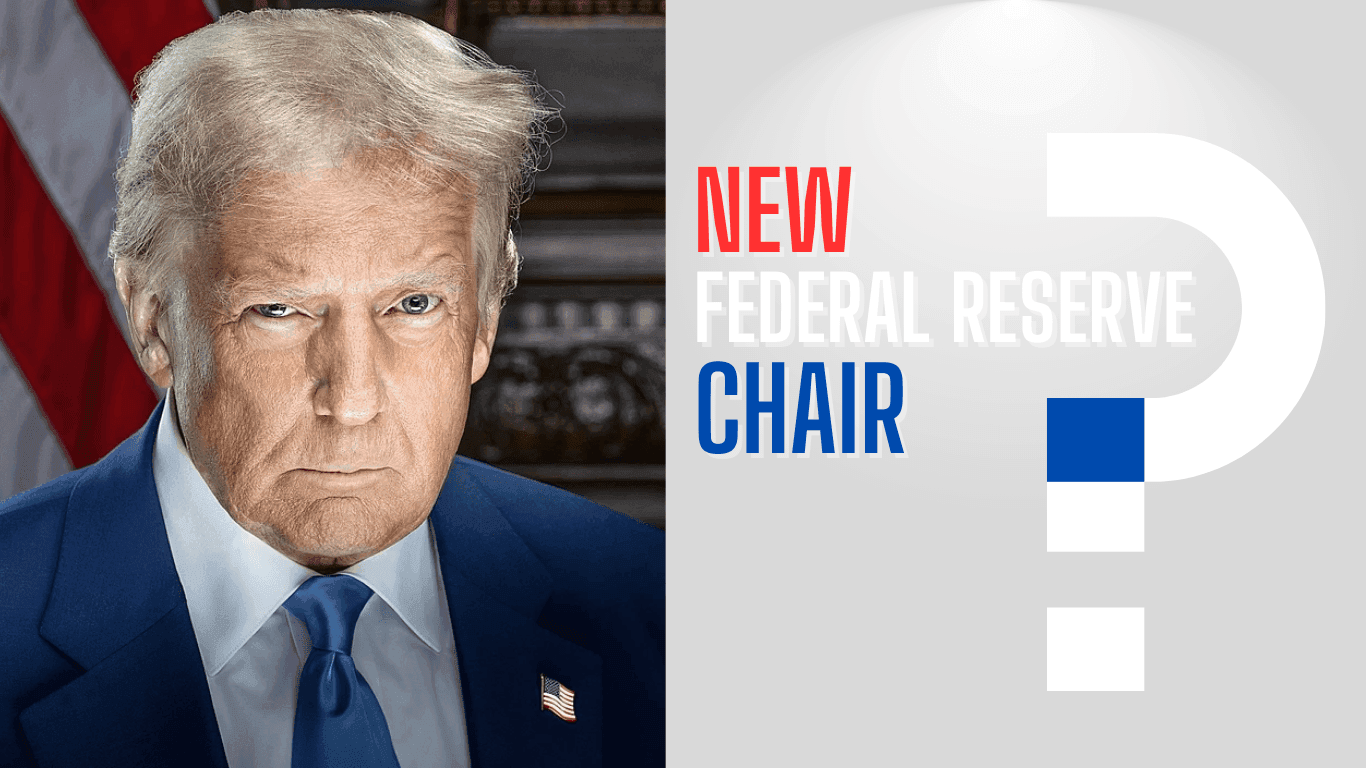
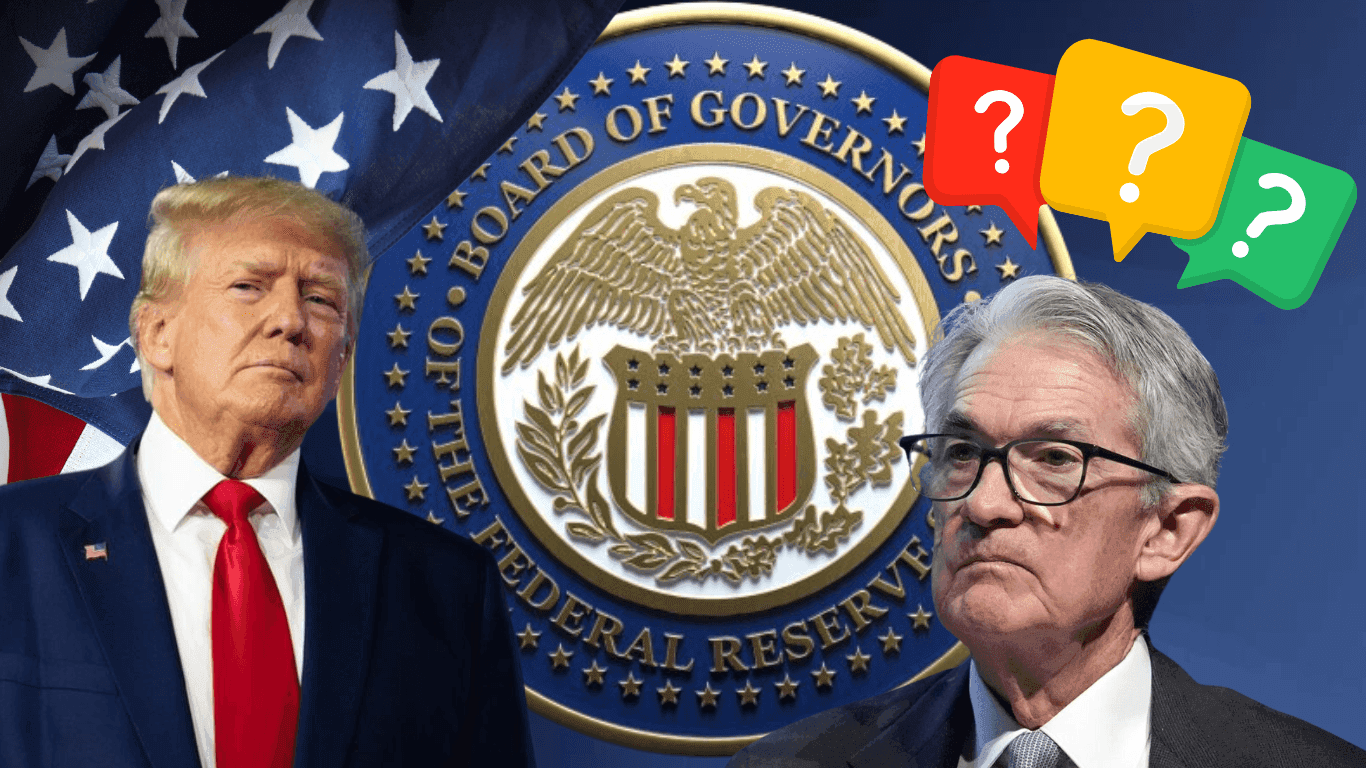
The primary catalyst came after Donald Trump stated he would announce a new Federal Reserve Chair next week.
Markets immediately reacted to the implication that the direction — and independence — of U.S. monetary policy could shift abruptly. Interest-rate expectations, bond yields, and real rates moved sharply, forcing investors to reassess valuations across risk assets.
Because nearly all major markets are priced relative to U.S. interest rates, the uncertainty alone was enough to trigger widespread de-risking.
Gold and Silver Break First as Crowded Trades Unwind
The first visible casualties were Gold and Silver, which sold off aggressively in a matter of minutes.
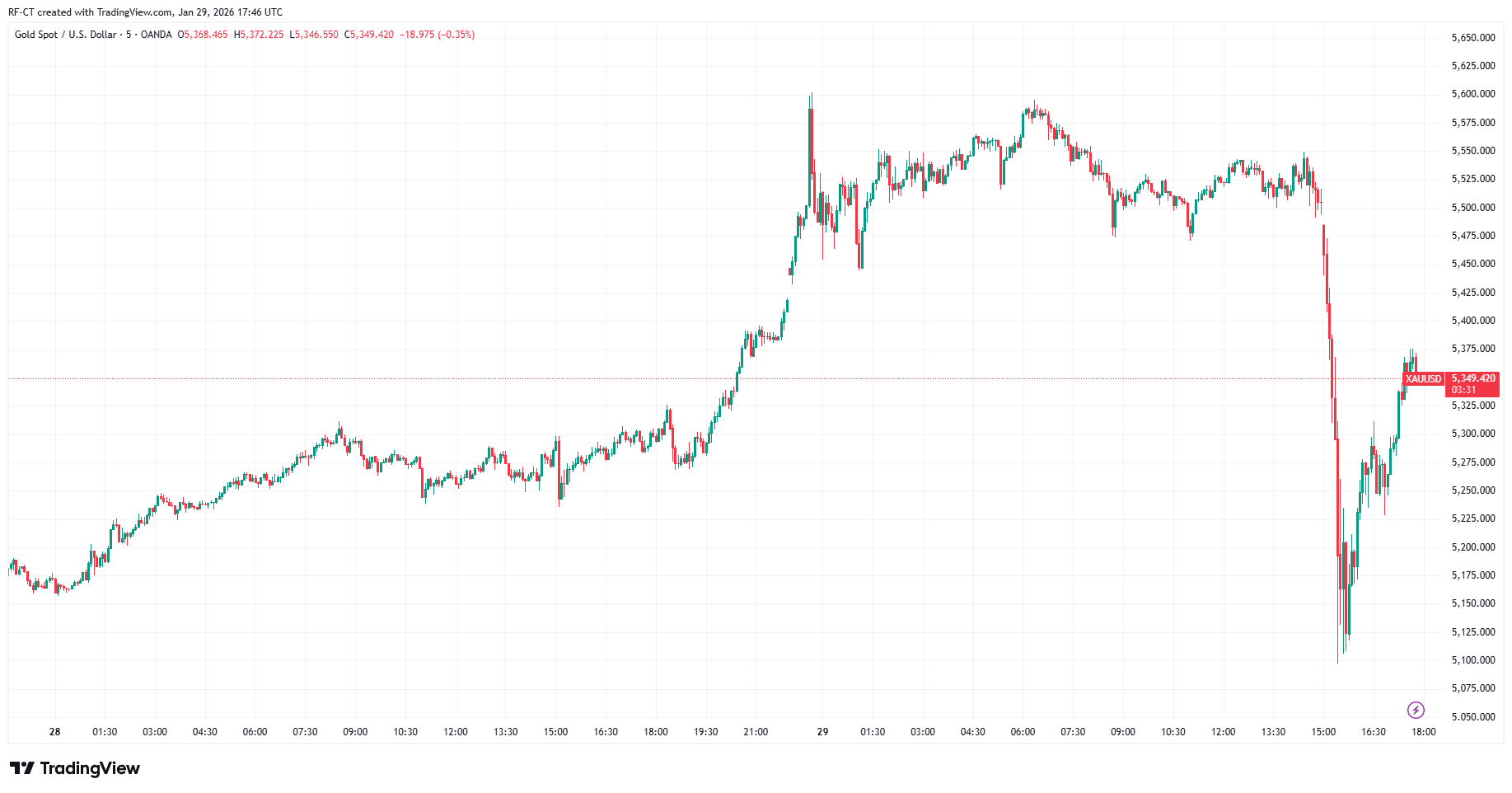
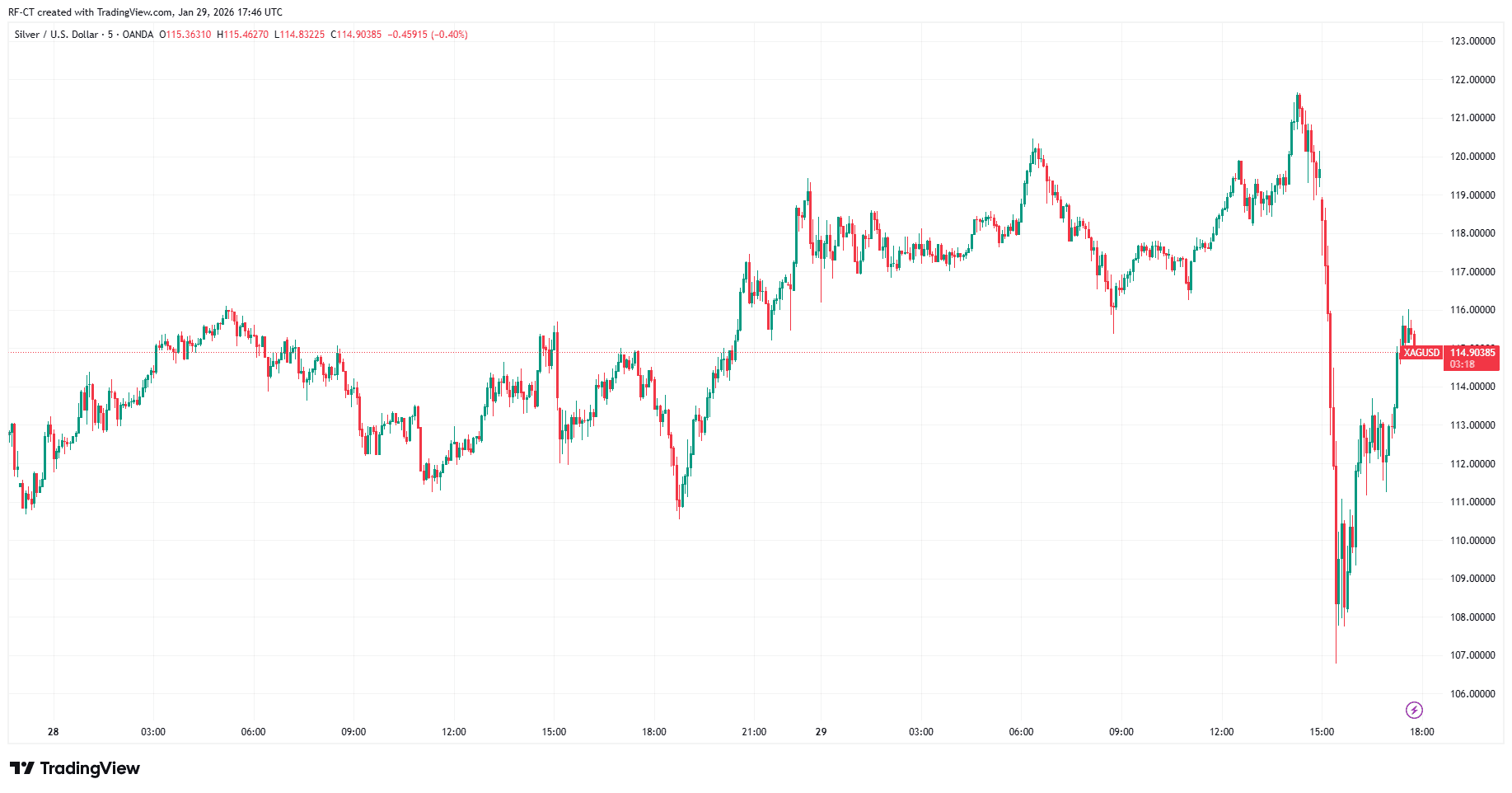
Rather than acting as safe havens, precious metals behaved like leveraged risk assets — a clear sign that positioning had become crowded. As yields moved higher, margin calls and forced selling accelerated, erasing trillions of dollars in paper market capitalisation across metals.
This mechanical unwind set off a broader liquidity cascade.
Equities Follow as Systematic Selling Kicks In
With metals breaking down, equity markets quickly followed. U.S. indices slid as volatility-sensitive strategies, trend-following funds, and risk-parity portfolios reduced exposure.
The move reflected systematic selling, not a reassessment of corporate fundamentals. Liquidity conditions deteriorated rapidly, amplifying downside pressure across stocks.
Bitcoin Drops as Leverage Flushes Out
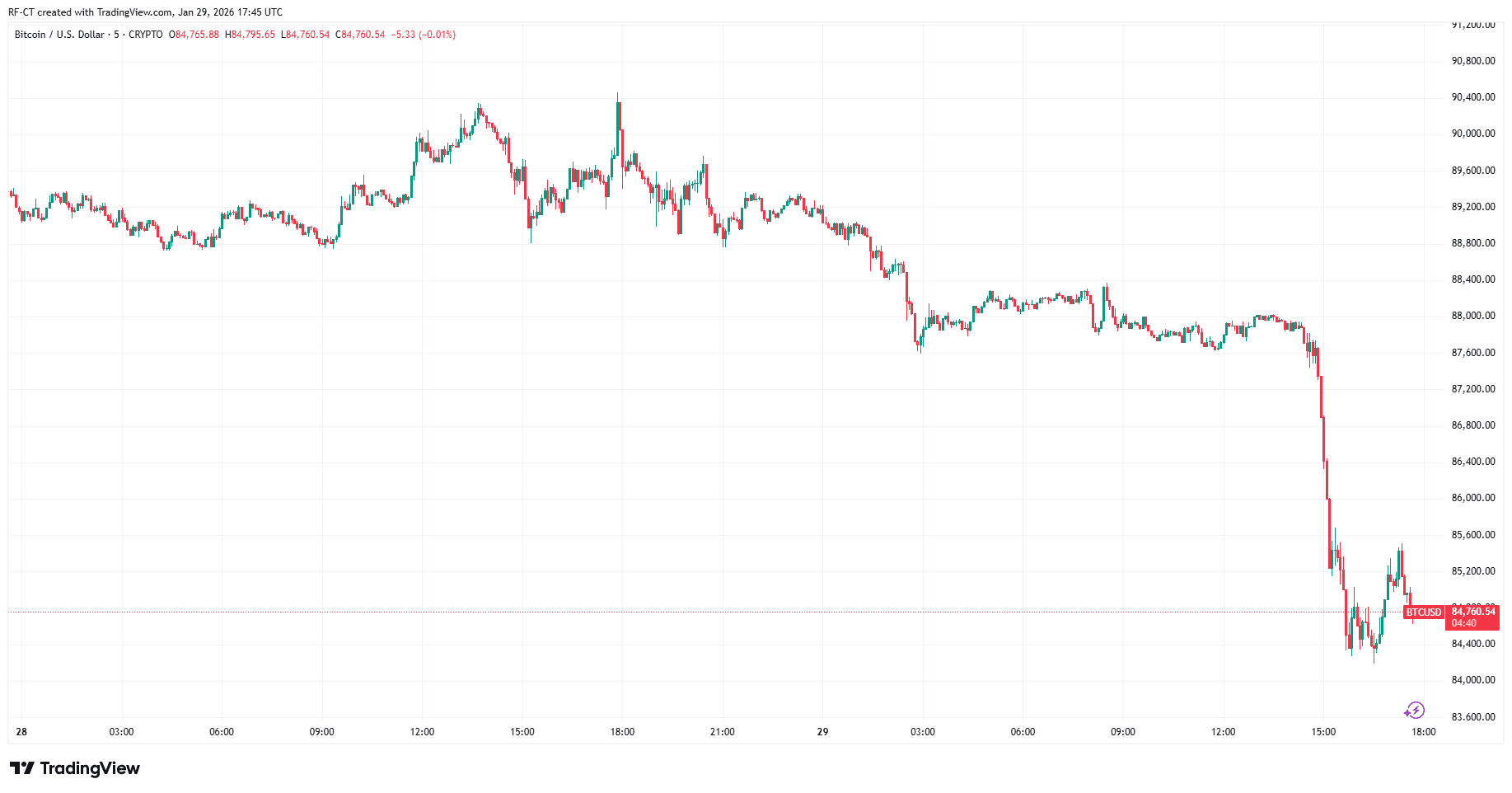
Crypto markets were hit next. Bitcoin fell below $85,000, triggering a wave of long liquidations as leveraged positions were forcibly closed.
Roughly $100 billion was wiped from the crypto market in a short period, driven primarily by derivatives liquidations rather than spot selling. As with metals and equities, the move reflected positioning stress, not a sudden deterioration in crypto fundamentals.
U.S. Shutdown Risk Adds Political Pressure
Adding to the volatility, the United States Senate blocked a key spending package, bringing the U.S. government closer to a potential shutdown.
While government shutdowns are historically temporary, the headline reinforced perceptions of political dysfunction at a time when markets were already on edge. The result was a further increase in risk premiums across global assets.
Regulatory Progress Overlooked Amid the Panic
Ironically, the sell-off occurred alongside constructive regulatory news. The U.S. Senate advanced a crypto market structure bill through committee, with no Democratic opposition — a development widely viewed as positive for the sector’s long-term outlook.
However, in periods of forced liquidation, markets prioritise liquidity over fundamentals, leaving longer-term positives temporarily ignored.
A Liquidity Event, Not a Structural Breakdown
Taken together, the sell-off reflects a classic macro-driven liquidation event:
- Monetary uncertainty triggered rate volatility
- Crowded trades unwound under leverage
- Systematic selling amplified downside moves
- Political risk headlines added further pressure
Importantly, this was not a collapse in economic fundamentals, nor a sector-specific failure. It was a rapid repricing of risk driven by uncertainty at the policy level.
What Markets Will Watch Next
Investors will now focus on:
- U.S. bond yields and real rates
- Clarity around Federal Reserve leadership
- Resolution of U.S. funding negotiations
- Stabilisation in post-liquidation crypto flows
Until policy clarity improves, volatility is likely to remain elevated.
Disclaimer:
This article is a news report and price analysis and does not constitute financial advice. Cryptocurrency markets are highly volatile. Options expiry data is based on current exchange snapshots and can change rapidly. Always conduct your own research (DYOR) before trading.