Bitcoin Safe Haven Narrative Returns: Will Global Instability Push Investors Toward BTC?
As geopolitical tensions rise worldwide, investors are asking if Bitcoin can act as a safe haven like gold. Could global instability push more money into BTC?

Bitcoin Safe Haven Narrative Returns
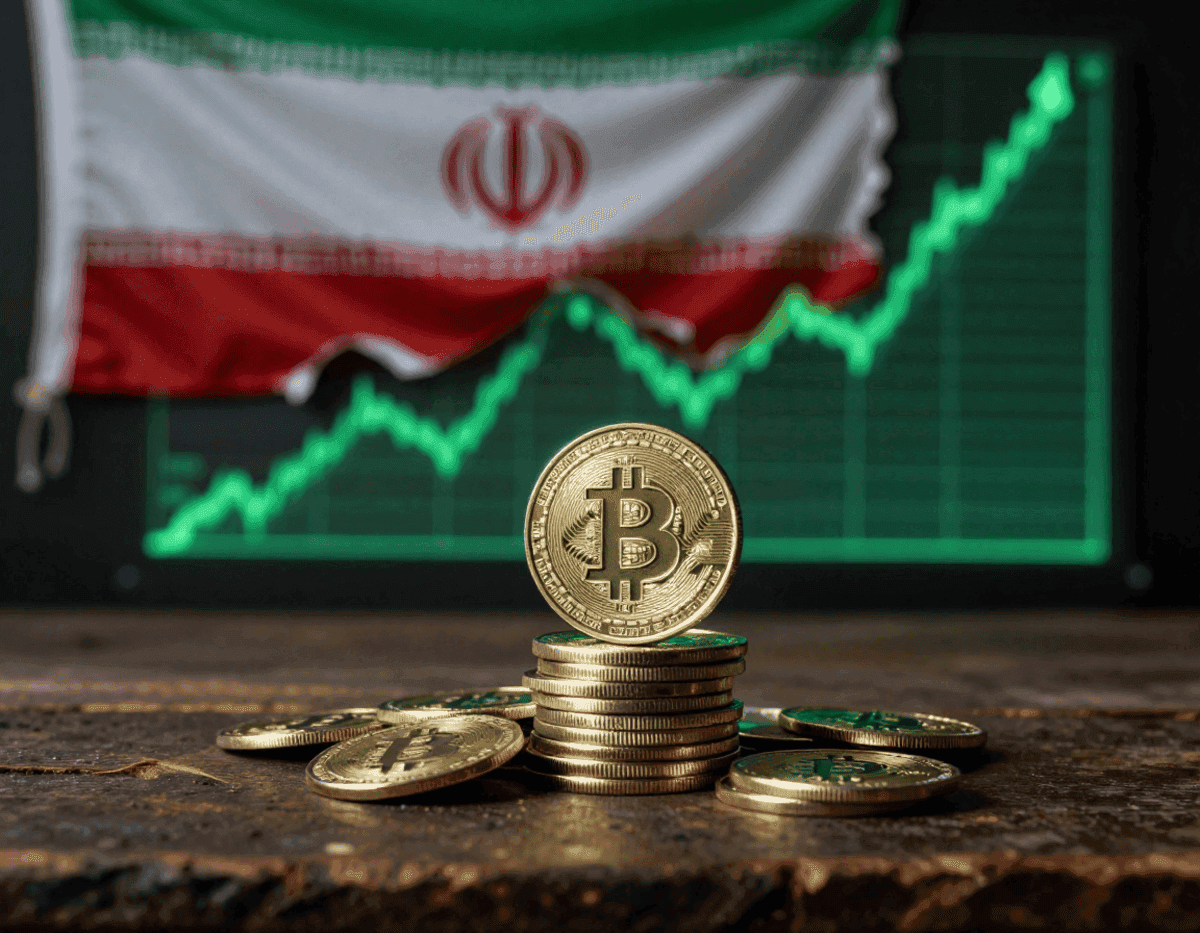
Geopolitical tensions are once again dominating global headlines. Military conflicts, energy shocks, and rising uncertainty across international markets are shaking investor confidence.
Yet while traditional markets react nervously, one question is circulating widely among investors:
Could Bitcoin emerge as the modern safe haven during global instability?
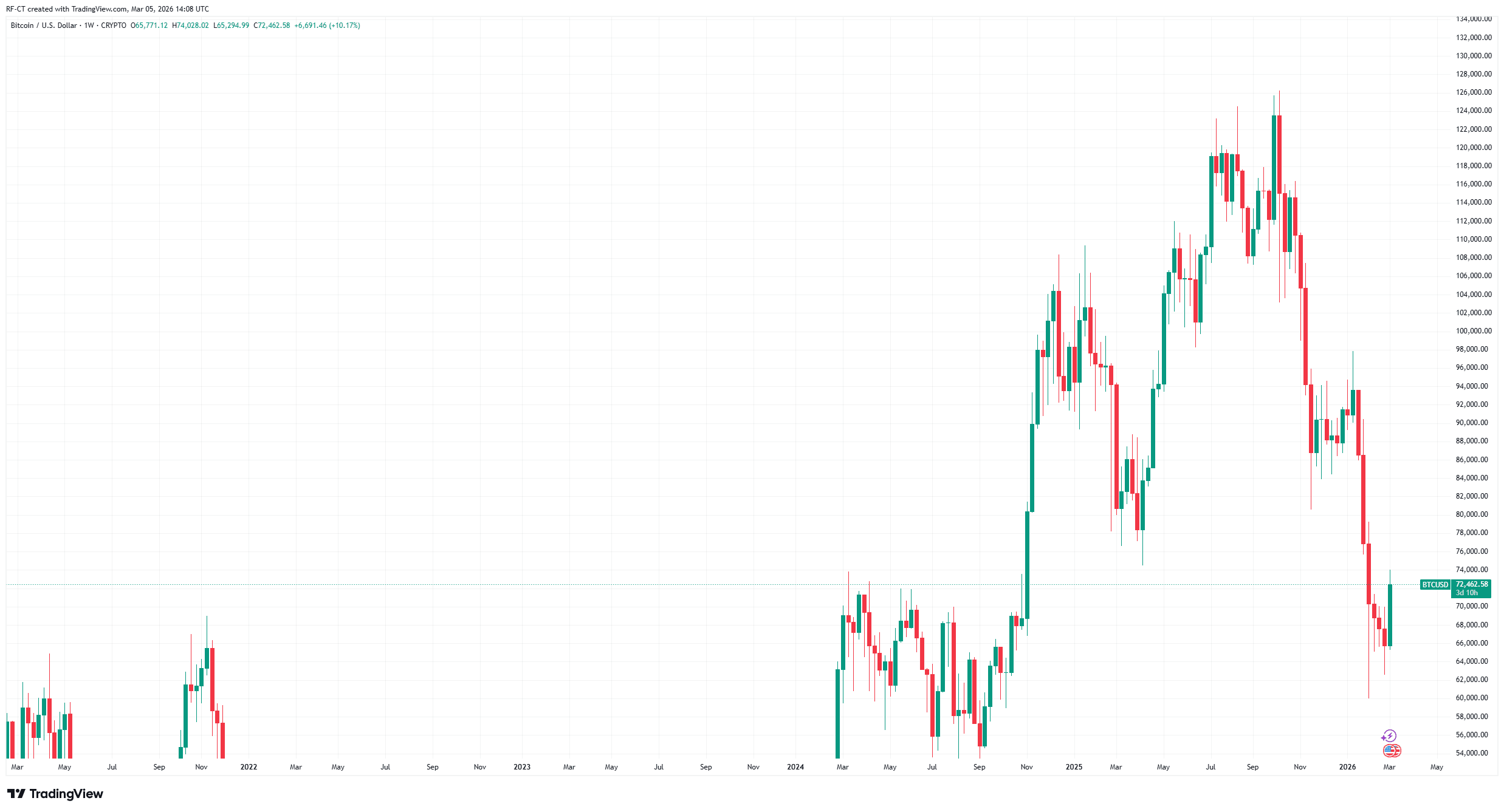
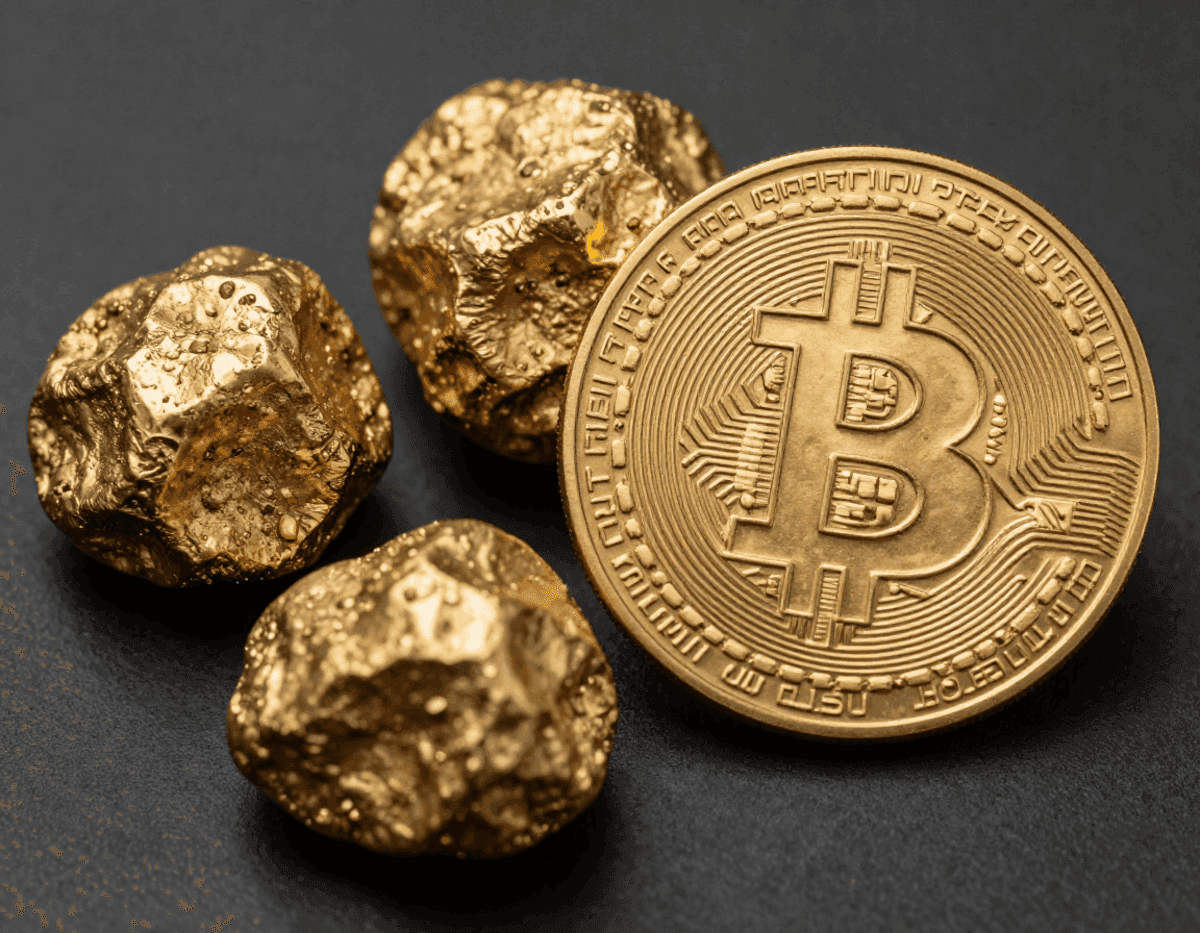
For years, Bitcoin has been described as “digital gold.” But moments of geopolitical stress are where that narrative is truly tested.
When Global Tensions Rise, Markets Look for Protection
Historically, periods of geopolitical instability push investors toward assets considered stores of value.
The most common safe havens include:
- Gold
- The US dollar
- Government bonds
- Commodities like oil
During wars, financial crises, or political shocks, investors often reduce exposure to risk assets such as stocks and search for assets that preserve value.
In recent years, however, Bitcoin has increasingly entered this conversation.
Unlike traditional assets, Bitcoin operates on a decentralized network with no central authority controlling supply or transactions. This independence has led some investors to view it as a hedge against political and financial uncertainty.
Bitcoin’s Safe Haven Case: Digital Gold or Risk Asset?
The idea of Bitcoin as a safe haven remains debated.
On one hand, Bitcoin shares several characteristics with gold:
- Limited supply capped at 21 million coins
- Global accessibility without intermediaries
- Resistance to government control
These features make Bitcoin attractive during times of uncertainty, especially in regions facing capital restrictions or currency instability.
However, Bitcoin also behaves differently from traditional safe havens.
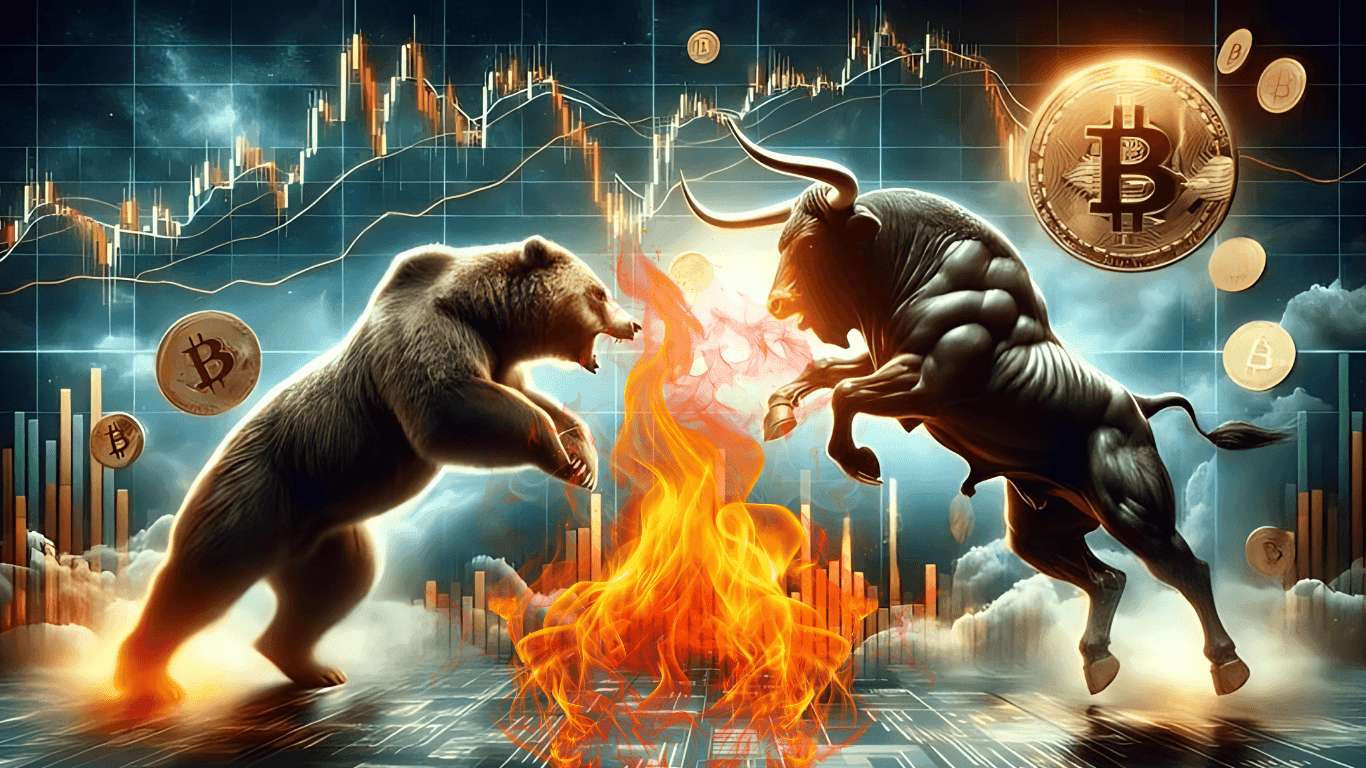
Its price can be volatile and often reacts to liquidity conditions and macroeconomic policies. During sudden market shocks, Bitcoin sometimes falls alongside equities before stabilizing.
This dual behavior makes Bitcoin both a risk asset and a potential hedge, depending on the broader market environment.
Institutional Demand Is Changing the Equation
One major shift in recent years is the growing presence of institutional investors.
Large asset managers and investment funds now hold Bitcoin exposure through spot ETFs and direct holdings. This institutional adoption has brought deeper liquidity and greater integration between crypto and traditional finance.
As a result, Bitcoin increasingly reacts to global macro events, including geopolitical conflicts, interest rate expectations, and capital flows.
When institutional money begins viewing Bitcoin as a macro hedge, demand can increase significantly during uncertain periods.
Geopolitical Stress Could Strengthen Bitcoin’s Narrative
Rising geopolitical tensions often trigger several market reactions:
- Energy prices surge
- Equity markets become volatile
- Investors diversify away from traditional assets
In this environment, Bitcoin’s decentralized nature becomes appealing. Unlike fiat currencies or national assets, Bitcoin is not tied to any specific government or economy.
For investors seeking borderless and censorship resistant assets, Bitcoin offers a unique alternative.
The Real Test for Bitcoin
The safe haven narrative for Bitcoin will ultimately depend on how it behaves during prolonged global crises.
If Bitcoin consistently attracts capital during periods of geopolitical instability, the perception of BTC as digital gold could strengthen significantly.
But if it continues to move primarily with risk assets, its role may remain that of a speculative investment rather than a defensive hedge.
For now, global tensions are once again placing Bitcoin at the center of a larger financial question:
Can a decentralized digital asset become the world’s next safe haven?
Conclusion
Geopolitical instability often reshapes financial markets and investor behavior. As global uncertainty rises, Bitcoin is increasingly being discussed alongside traditional safe havens like gold.
Whether Bitcoin truly becomes a hedge against geopolitical risk remains uncertain. However, one thing is clear: the conversation around Bitcoin’s role in the global financial system is evolving rapidly.
And each crisis brings a new opportunity for Bitcoin to prove its place in the macro landscape.
$BTC $Bitcoin