What are AI Agents? Why the Machine Economy Needs Crypto in 2026
AI agents are evolving from chatbots to autonomous employees. Discover why crypto and the x402 protocol are essential for the future of the machine economy.
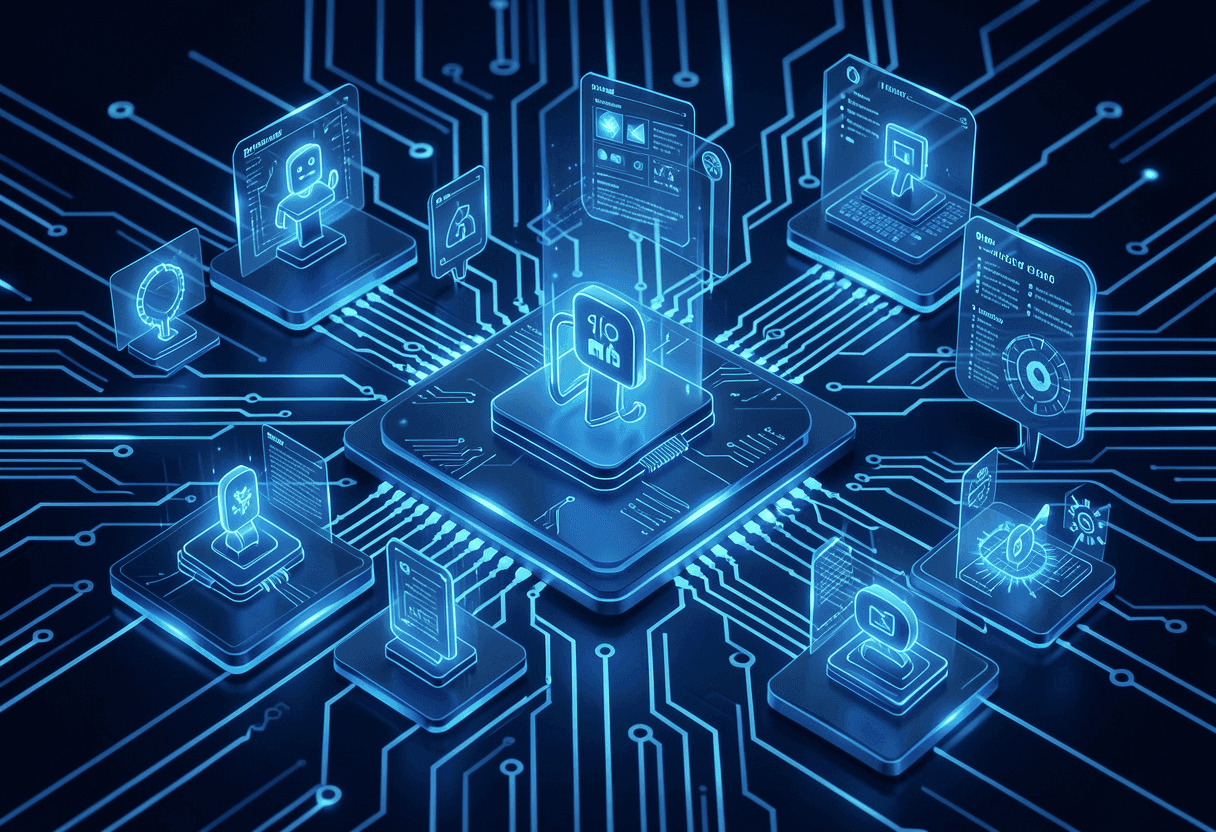

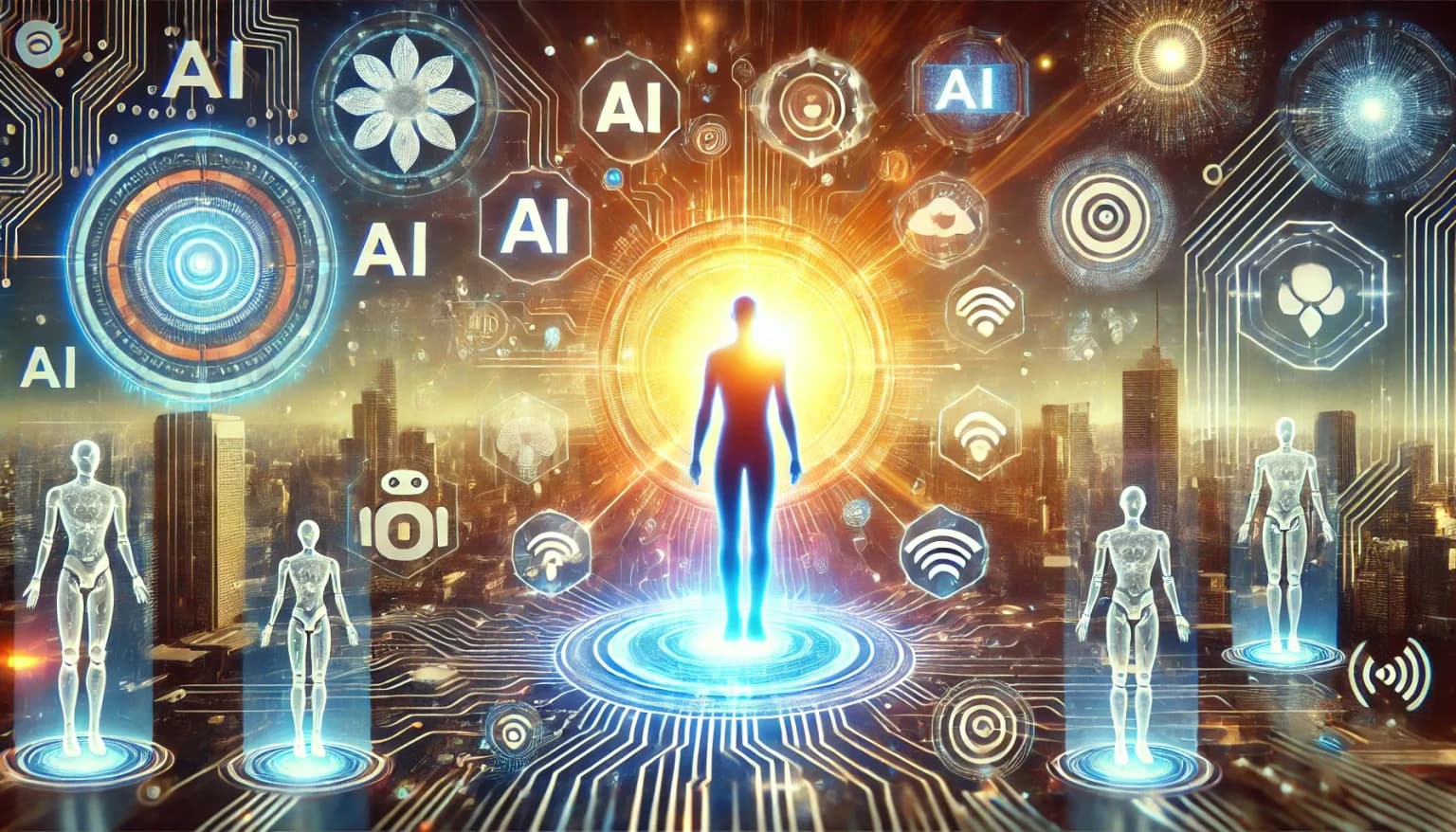
The landscape of artificial intelligence is undergoing a radical shift in 2026. We are moving beyond the era of simple chatbots like ChatGPT—which only react to prompts—into the era of AI agents that act independently. These autonomous systems can manage their own money, pay other AIs for services, and execute complex workflows without human intervention.
However, for an AI to be truly autonomous, it needs a financial system that doesn't require a physical ID, a credit card, or a bank's permission. This is why cryptocurrency has become the foundational infrastructure for the emerging Machine Economy.
What is an AI Agent?
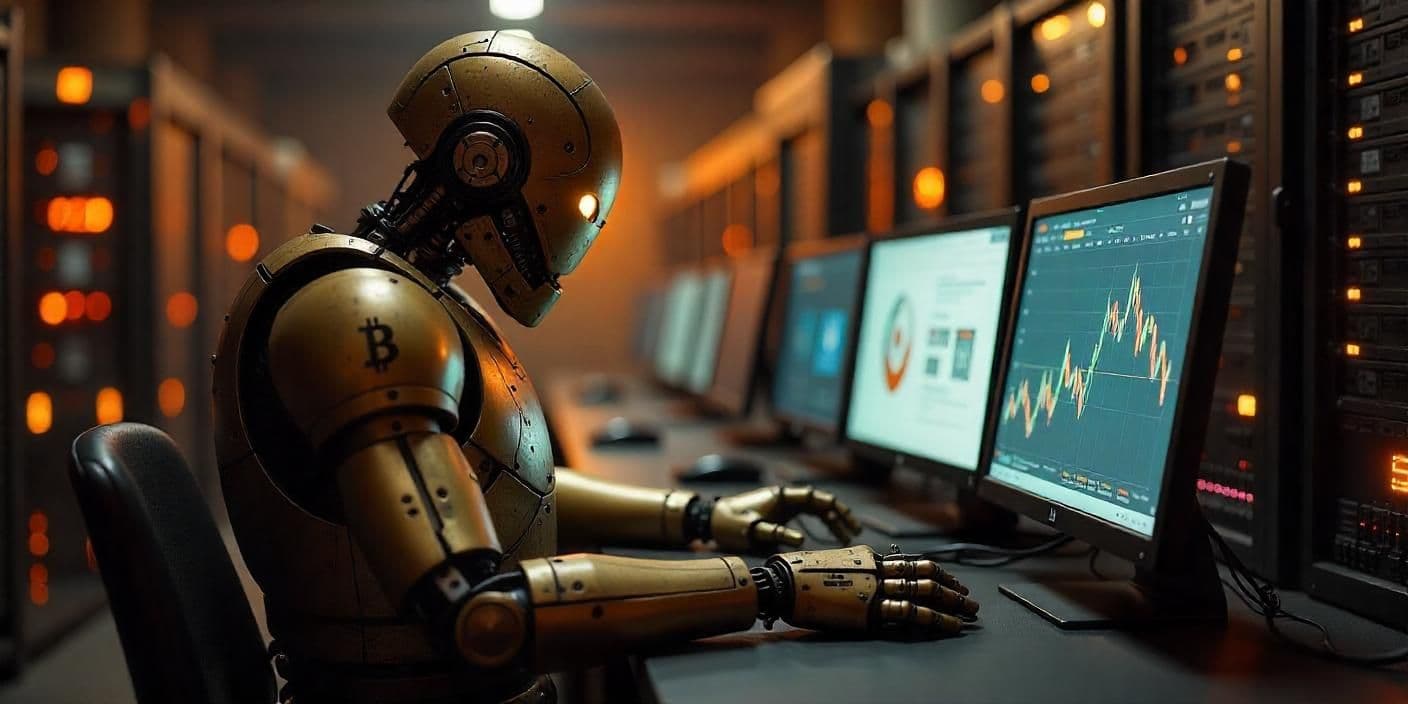
An AI agent is an autonomous software entity designed to achieve specific goals by planning, deciding, and executing tasks. Unlike a chatbot (a tool you use), an agent acts as a digital employee that works for you.
While a traditional bot follows rigid "if-then" rules, a modern AI agent understands context, adapts to market changes, and learns from its environment. This "Agentic AI" is now capable of managing Bitcoin portfolios and interacting across platforms like Discord, Telegram, and Slack.
The AI Agent Stack
To function as a sovereign economic actor, an AI agent requires three core pillars:
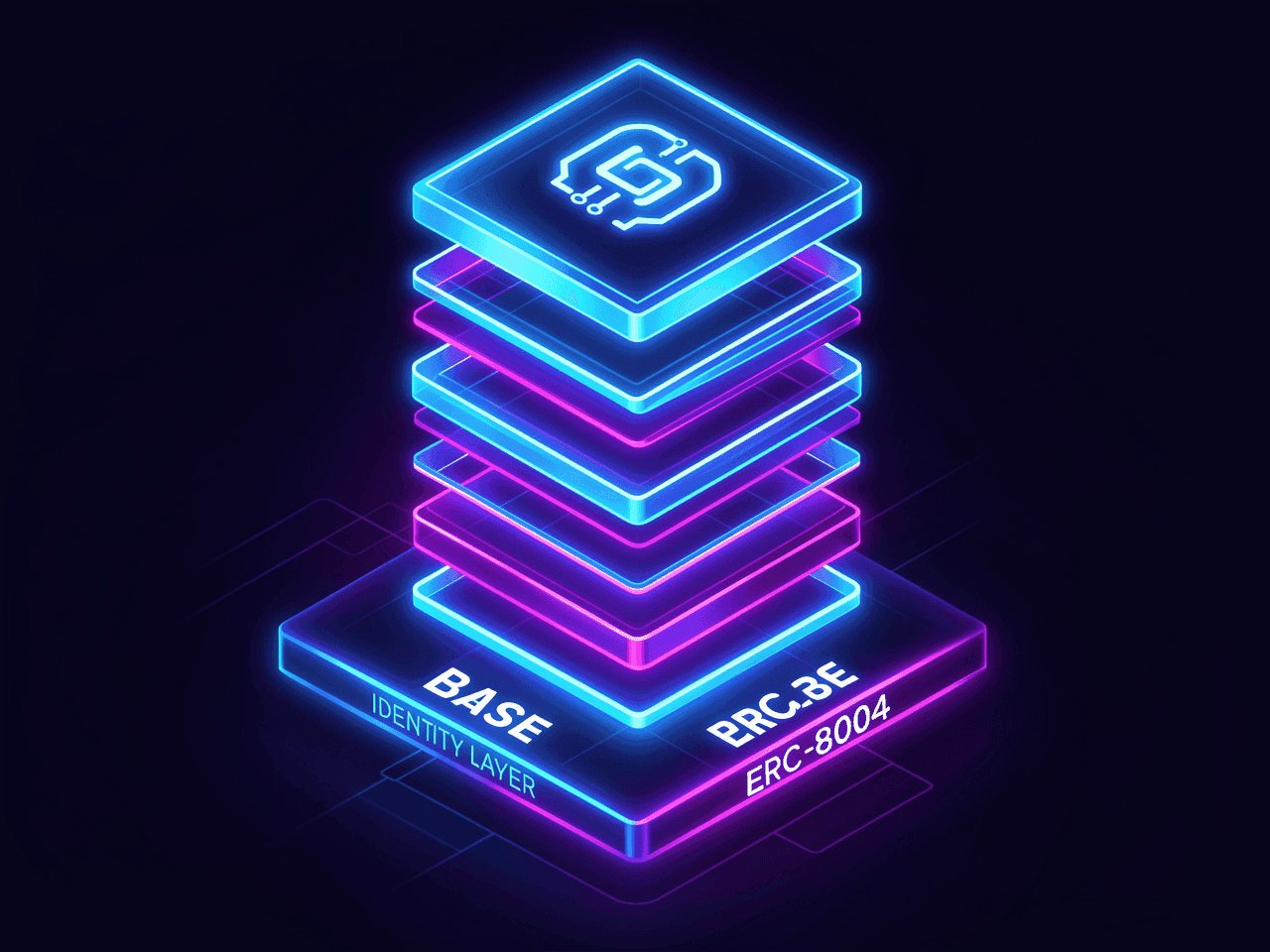
- Digital Identity: Verified on-chain identities (such as ERC-8004) allow agents to build a reputation and prove who they are to other systems.
- Payments: Agents need to settle transactions in real-time. This is made possible by the x402 protocol, an open standard that allows machines to pay for API calls or data using stablecoins like USDC.
- Execution Environment: Frameworks like OpenClaw provide the environment where these agents run 24/7, monitoring markets and coordinating workflows.
 Crypto taxes made simple: Compare the top-rated tools for 100% compliance and efficiency
Why AI Agents Specifically Need Crypto
Traditional banking systems are built for humans. They require KYC (Know Your Customer), physical signatures, and manual approvals—all of which are "friction" for a piece of code.
Crypto is permissionless. Any autonomous system can generate a hardware wallet address and start holding or sending funds immediately. In the Machine Economy, an "Agent A" might need data from "Agent B." Through crypto, the payment is instant, programmatic, and requires no central bank.
Practical Examples of AI Agents in 2026
- Portfolio Management: Agents track yields and rebalance assets across different exchanges based on real-time risk analysis.
- Autonomous Research: Instead of you reading 50 news articles, an agent filters on-chain data and social signals to deliver high-signal insights.
- Automated Trading: Some agents now trade autonomously, executing swaps on decentralized protocols without needing a human to click "confirm."
The Rise of OpenClaw and the x402 Protocol
One of the most significant developments in this space is OpenClaw, an open-source framework that allows users to run agents on their own hardware. By connecting OpenClaw to a crypto wallet, users are essentially giving their AI a "company card" to pay for its own resources.

This is supported by the x402 protocol, which revitalized the long-dormant "402 Payment Required" HTTP status code. According to reports, this protocol has already handled over 115 million micropayments between machines by early 2026.
AI Risks and Challenges
Despite the efficiency, the integration of AI and crypto carries significant risks:
- Security: Autonomous wallets can be targets for sophisticated fishing and "Algorithmic Resonance" scams.
- Liability: If an AI agent makes a financial error or executes a "bad" trade, the legal framework for liability remains largely undefined.
- Regulation: The technology is moving faster than global regulators can keep up with, leading to a "Wild West" environment for autonomous commerce.